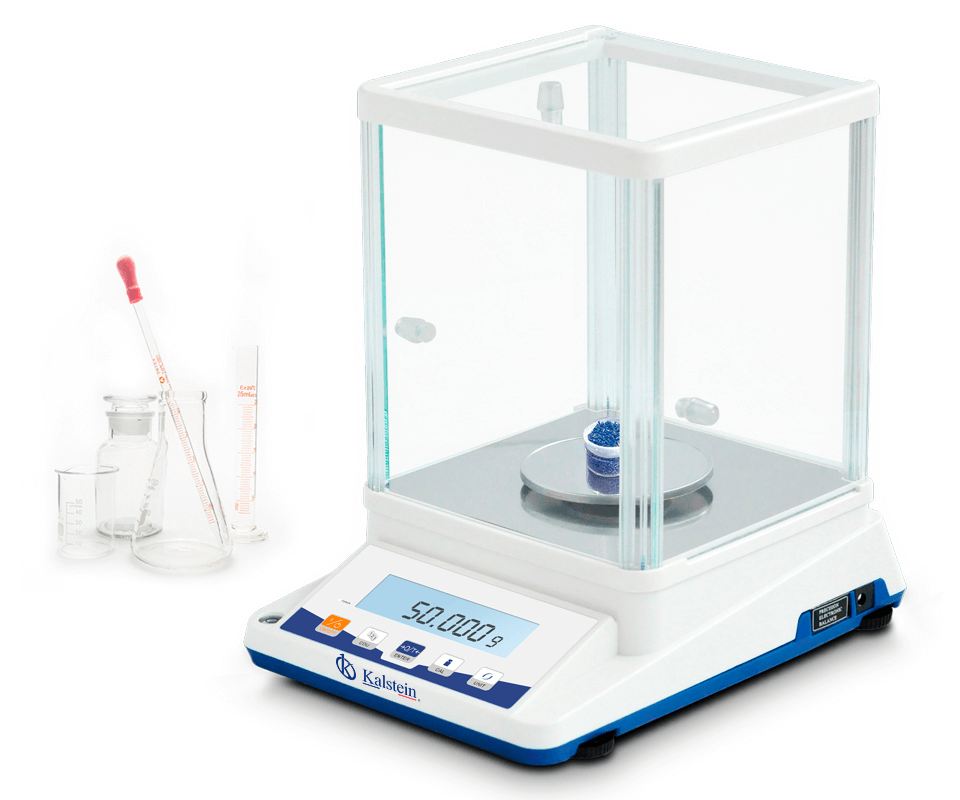
Comparative Analysis of Precision Balances: Performance Against Alternative Technologies
Precision balances are essential tools in laboratory settings where accurate measurements are crucial. They offer significant advantages over alternative weighing technologies, such as traditional balances or digital scales, particularly in terms of accuracy, sensitivity, and functionality.
Understanding Precision Balances in Laboratory Context
Precision balances are designed for high accuracy and repeatability in weighing applications. They typically provide measurements at the milligram level or better, making them suitable for a variety of laboratory tasks, from pharmaceuticals to quality control in manufacturing. This section will delve into the operational principles, typical use cases, and their comparative benefits over alternatives.
Comparison of Available Models
| Model | Capacity (g) | Readability (g) | Minimum Weight (g) | Price (USD) | Best For |
|---|---|---|---|---|---|
| YR05584 | 110 | 0.001 | 0.001 | 75.00 | General laboratory use |
| YR05585 | 210 | 0.001 | 0.001 | 80.00 | Chemical analysis |
| YR05586 | 310 | 0.001 | 0.001 | 80.00 | Material testing |
| YR05587 | 610 | 0.001 | 0.001 | 80.00 | High-capacity applications |
| YR05588 | 2100 | 0.01 | 0.01 | 31.00 | Field applications |
| YR05589 | 3100 | 0.01 | 0.01 | 31.00 | Portable measurements |
Common Mistakes and How to Avoid Them
When using precision balances, it is critical to avoid common mistakes that can affect accuracy. The most frequent errors include not calibrating the balance regularly, placing items incorrectly on the weighing pan, and failing to account for environmental factors such as air currents and vibrations. Ensuring proper calibration, understanding the balance's specifications, and following best practices can mitigate these mistakes and improve measurement reliability.
Benefits of Precision Balances Over Alternative Technologies
Precision balances outperform alternative weighing technologies in several areas.
Accuracy and Sensitivity
Precision balances provide highly accurate measurements with a sensitivity that often reaches 0.001g or better. For example, the YR05584 model achieves this level of precision, making it ideal for laboratory use where small weight variations can impact results significantly.
Advanced Features
Modern precision balances come equipped with various features such as dual displays, overload alarms, and multiple unit conversions. These features facilitate smooth operation and enhance user experience. Balances like the YR05588 offer additional options such as interfaces for printers, providing an edge over simpler alternatives.
Calibration and Compliance Standards
Precision balances must be calibrated regularly to ensure compliance with standards such as ISO 17025. The calibration process involves using standard weights to adjust the balance and verify its accuracy. Models like the YR05586 are designed for easy external calibration, ensuring they meet the necessary laboratory standards.
Precision Balances in Laboratory Workflow Optimization
Incorporating precision balances into the laboratory workflow can optimize processes by reducing errors and increasing throughput. Automating weighing tasks using balances with integrated software can significantly enhance productivity by minimizing manual data entry and allowing for more efficient operation.
Cost-Benefit Analysis of Precision Balances
| Model | Initial Cost (USD) | Annual Maintenance (USD) | Expected Lifespan (Years) | Total Cost of Ownership (5 Years, USD) |
|---|---|---|---|---|
| YR05584 | 75 | 10 | 10 | 175 |
| YR05585 | 80 | 10 | 10 | 180 |
| YR05586 | 80 | 10 | 10 | 180 |
| YR05587 | 80 | 10 | 10 | 180 |
| YR05588 | 31 | 10 | 5 | 81 |
| YR05589 | 31 | 10 | 5 | 81 |
Frequently Asked Questions
What is the best precision balance for ISO 17025 compliance in a lab?
The YR05586 model is an excellent choice for ISO 17025 compliance due to its precise readability of 0.001g and external calibration capabilities, making it ideal for maintaining compliance standards.
How can I ensure the accuracy of my precision balance measurements?
Regular calibration is key to ensuring accuracy. For example, the YR05584 model requires calibration with standard weights to maintain its high precision of 0.001g, essential for lab accuracy.
What are the maintenance costs for precision balances over five years?
For models like YR05585 and YR05586, the expected annual maintenance cost is about $10, leading to a total cost of ownership of approximately $180 over five years.
Which precision balance model is best for field applications?
The YR05588 model, with its lightweight design and portability features, is the best for field applications. It offers a capacity of 2100g and readability of 0.01g, ideal for various external conditions.
How do I choose the right precision balance for my laboratory needs?
Consider factors such as capacity, readability, and additional features. The YR05587, for instance, is optimal for high-capacity applications with a high precision of 0.001g.
What features should I look for in precision balances for research applications?
Look for balances with dual displays, overload alarms, and unit conversion features. The YR05585 model includes these features, enhancing its usability in research settings.
If you are looking for a fusion of innovation and quality, you have come to the right place. At Kalstein, we offer you the luxury of exploring our exclusive catalog of laboratory equipment. We manufacture every device to the highest standards of excellence. Our intuitive and seamless online purchasing channels are designed for your convenience, securing the most competitive prices. Hesitate no longer — we bring science to life, it is time to become part of our community.