Comparative Analysis of Laboratory Microscopes and Fluid Handling Pipettes
In the realm of laboratory equipment, laboratory microscopes and fluid handling pipettes are critical tools utilized across various applications. Understanding their comparative advantages and specific features can significantly enhance laboratory efficiency and precision. This article delves into the characteristics of selected models, focusing on their specifications, advantages, and the technology they employ in the context of alternative technologies available in the market.
Understanding Laboratory Microscopes and Fluid Handling Pipettes
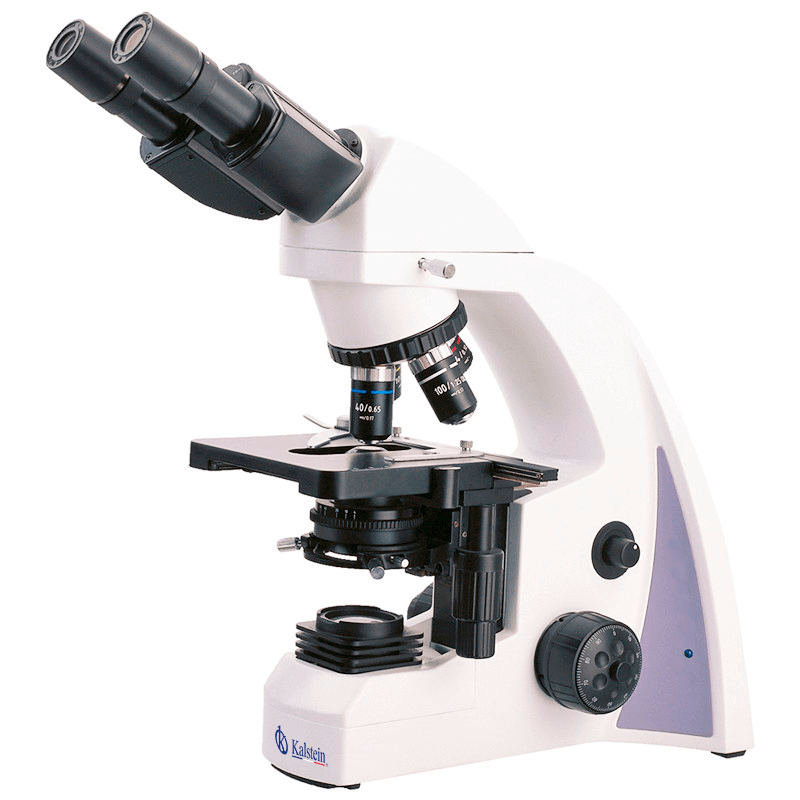
Laboratory microscopes, such as the Laboratory Microscope YR0237-0-1, YR0237-1, and YR0237-1-1, are designed for high-resolution imaging of samples, allowing professionals to observe minute details crucial for research and diagnostics. These microscopes boast features such as achromatic semi-plan objectives and adjustable condensers, which significantly enhance their imaging capabilities.
On the other hand, fluid handling pipettes like the Fluid Handling Pipette YR03731-1, YR03731-2, and YR03731-3 are indispensable for precise liquid transfer in laboratory settings. With low operational force and sterilization capabilities, these pipettes ensure accurate and clean handling of samples.
Comparison of Available Models
| Model Code | Type | Price (USD) | Key Features | Best For |
|---|---|---|---|---|
| YR0237-0-1 | Microscope | 437.00 | Binocular head, wide field eyepiece, achromatic objectives | Clinical use, educational settings |
| YR0237-1 | Microscope | 491.00 | Trinocular head, adjustable brightness control | Research applications, advanced imaging |
| YR0237-1-1 | Microscope | 448.10 | Semiplane objectives, mechanical stage | Pathology labs, routine diagnostics |
| YR03731-1 | Pipette | 13.00 | Fixed volume, ergonomic design | Microbiology applications, precision tasks |
| YR03731-2 | Pipette | 13.00 | Biocompatible materials, low force | Cell culture, reagent handling |
| YR03731-3 | Pipette | 13.00 | Color-coded for volume, sterilizable | General lab use, educational institutions |
Key Features of Laboratory Microscopes
Laboratory microscopes are essential in various scientific fields. The Laboratory Microscope YR0237 series offers binocular and trinocular configurations, each providing distinct advantages. The binocular design is ideal for prolonged use, reducing eye strain, while the trinocular setup allows for simultaneous imaging and documentation. The achromatic semi-plan objectives ensure minimal distortion and high clarity, essential for accurate diagnostics and research.
The adjustable condenser with a numerical aperture of 1.25 enhances light gathering, improving visibility of details in specimens. The mechanical stage allows for precise manipulation of slides, crucial in both clinical and research applications.
Advantages of Fluid Handling Pipettes
Fluid handling pipettes, such as the YR03731 series, are engineered for precision in transferring liquids. These pipettes feature a low operational force, allowing for comfortable use during prolonged periods, which is especially beneficial in high-throughput laboratories. The sterilization capability at 121°C ensures that cross-contamination is minimized, making them suitable for sensitive applications.
With a variety of volume ranges and excellent accuracy, these pipettes cater to diverse laboratory needs. Their ergonomic design and color-coding for volume representation further optimize usability and minimize errors.
Common Mistakes and How to Avoid Them
One common mistake when selecting laboratory equipment is not considering the specific application requirements. For instance, using a microscope that lacks appropriate objectives for the specimen type can lead to inaccurate results. To avoid this, professionals should assess the features needed for their specific applications before making a purchase.
Another mistake is underestimating the importance of calibration for pipettes. Regular calibration ensures the accuracy of fluid transfers, which is critical for experimental success. Implementing a routine calibration schedule prevents discrepancies in results.
Frequently Asked Questions
What are the key specifications of the YR0237 laboratory microscope series?
The YR0237 laboratory microscope series features a binocular or trinocular head, wide field eyepiece, and achromatic semi-plan objectives. With a sliding adjustable condenser and mechanical stage, they are ideal for routine microscopy and research applications.
How does the YR03731-1 pipette compare in accuracy to other pipettes?
The YR03731-1 pipette offers an accuracy of ±1.0%, making it a reliable choice for various laboratory tasks. This level of precision is crucial in applications where exact liquid measurements are required.
Which laboratory microscope model is best for educational purposes?
The YR0237-0-1 model is ideal for educational settings due to its user-friendly binocular design and cost-effectiveness. It provides essential features for teaching basic microscopy principles.
What maintenance is required for the YR03731 fluid handling pipettes?
Regular cleaning and sterilization are essential for maintaining the YR03731 fluid handling pipettes. Following the manufacturer’s guidelines for maintenance helps ensure optimal performance and longevity.
How can I determine the best laboratory microscope for my specific needs?
To choose the best laboratory microscope, assess the intended use, whether for research or clinical purposes. Consider factors such as objective quality, illumination type, and ergonomic design, like those found in the YR0237 series.
Where can I acquire the YR03731 pipettes for laboratory use?
The YR03731 pipettes can be acquired through laboratory equipment suppliers. Ensuring that you purchase from reputable sources guarantees the quality and authenticity of the pipettes.
What is the significance of using achromatic objectives in microscopes?
Achromatic objectives, like those in the YR0237 series, correct color distortion, providing clearer and more accurate images of specimens. This is crucial for detailed observations in both clinical and research settings.
How often should laboratory pipettes be calibrated for accurate results?
Laboratory pipettes should be calibrated regularly, ideally before significant use or at least once every six months. This ensures that models like the YR03731 maintain their accuracy and reliability in liquid handling.
If you are looking for a fusion of innovation and quality, you have come to the right place. At Kalstein, we offer you the luxury of exploring our exclusive catalog of laboratory equipment. We manufacture every device to the highest standards of excellence. Our intuitive and seamless online purchasing channels are designed for your convenience, securing the most competitive prices. Hesitate no longer — we bring science to life, it is time to become part of our community.