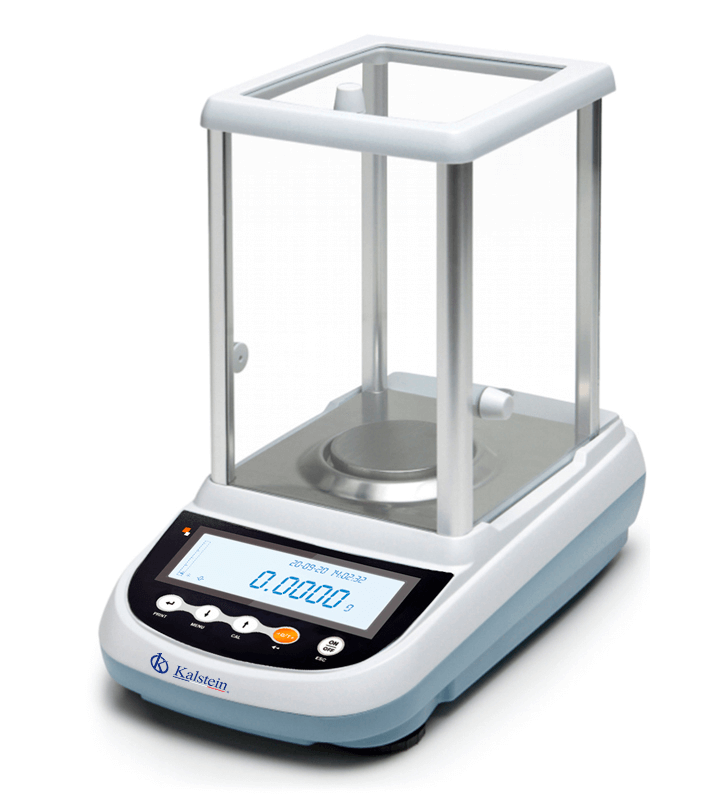
Comparative Analysis of Internal Calibration Analytical Balances
Internal calibration analytical balances are essential tools in laboratory environments, enabling precise measurements and ensuring compliance with various industry standards. This article explores the comparative features of several models, focusing on their performance, calibration capabilities, and ideal applications. Understanding these differences is crucial for laboratory professionals aiming to enhance accuracy and efficiency in their operations.
Understanding Analytical Balances and Their Importance
Analytical balances are highly sensitive instruments designed for precise weight measurements, typically used in laboratories for scientific research, quality control, and educational purposes. Their high resolution and accuracy make them essential for activities requiring exact measurements, such as chemical analysis, formulation processes, and product development.
In the context of internal calibration, these balances provide automatic calibration features that ensure measurement reliability, reducing the likelihood of human error and maintaining consistent performance regardless of environmental conditions. This is particularly significant in industries where regulatory compliance is critical.
Comparison of Available Models
| Model | Capacity (g) | Resolution (g) | Price (USD) | Best for |
|---|---|---|---|---|
| YR05568 | 220 | 0.1 mg | 790.00 | General lab use with high precision needs |
| YR05569 | 310 | 0.1 mg | 825.00 | Pharmaceutical applications requiring accuracy |
| YR05570 | 410 | 0.1 mg | 1080.00 | Research labs for accurate chemical measurements |
| YR05571 | 510 | 0.1 mg | 1125.00 | Advanced scientific research using high capacities |
| YR05572 | 610 | 0.1 mg | 1240.00 | Heavy-duty laboratory tasks with high precision |
| YR05573 | 100 | 0.0001 g | 325.00 | Jewelry and high-precision weighing |
Key Features and Benefits Across Models
Each model in the analytical balance category has unique features that cater to specific laboratory needs. For instance, the YR05568 and YR05569 models are designed for general lab use and pharmaceutical applications, respectively; they offer internal calibration to maintain accuracy over time.
On the other hand, models like the YR05571 and YR05572 are built for heavier workloads, providing larger capacities and maintaining precision, making them suitable for advanced scientific research. The YR05573, with its ultra-fine resolution, is ideal for high-precision applications such as jewelry weighing.
Common Mistakes and How to Avoid Them
Laboratory professionals often face challenges when selecting the right analytical balance, leading to mistakes that can impact measurement accuracy. A common error is not considering the balance's capacity and resolution, resulting in unsuitable choices for specific measurement tasks. For example, selecting the YR05573 for high-capacity tasks could lead to inaccurate results.
Another mistake is overlooking calibration needs. Even with internal calibration features, regular external checks are necessary to ensure continued accuracy. It is vital to understand the operational environment and choose models with appropriate specifications to avoid measurement discrepancies.
Identifying the Right Model for Your Laboratory Needs
Choosing the right internal calibration analytical balance depends on several factors, including the types of samples being weighed, the required precision, and available budget. For laboratories dealing with a variety of samples, a versatile model like the YR05570 may be ideal due to its balance of capacity and resolution.
In contrast, businesses focused on high-precision applications should consider the YR05573, which offers exceptional accuracy and advanced features for intricate tasks. Evaluating specific laboratory requirements and comparing them with each model's strengths is essential for making an informed decision.
What to Look for in Internal Calibration Analytical Balances
When selecting an internal calibration analytical balance, consider factors like maximum capacity, readability, stabilization time, and the type of calibration offered. The response time is crucial; for instance, the YR05573 has a stabilization time of less than 3 seconds, which enhances throughput in busy labs.
Moreover, evaluate the interface features, such as whether the model supports RS232 communication, for easy data export and integration with laboratory information systems. This is particularly beneficial for labs that require data logging and traceability.
Frequently Asked Questions
What are the key advantages of the YR05568 analytical balance compared to others?
The YR05568 offers an impressive balance of capacity and resolution at 220 grams and 0.1 mg, making it suitable for general laboratory measurements. Its internal calibration ensures consistent accuracy, which is a significant advantage for laboratories handling various samples.
How does internal calibration improve measurement accuracy in balances?
Internal calibration automatically adjusts the balance based on environmental conditions, such as temperature fluctuations, ensuring that measurements remain consistent and reliable. Models like the YR05571 utilize this feature effectively, reducing the likelihood of human error.
Which internal calibration analytical balance is best for high-precision weighing tasks?
The YR05573 is highly recommended for high-precision tasks, offering a resolution of 0.0001 g. This model is ideal for applications that demand the utmost accuracy, such as in jewelry or pharmaceutical labs, where every milligram counts.
What factors should be considered when maintaining an analytical balance?
Regular calibration checks, proper cleaning, and environmental controls such as temperature and air drafts are critical for maintaining an analytical balance. For instance, the YR05572 features a design that minimizes disruptions from airflow, enhancing measurement reliability.
How can I ensure compliance with industry standards using analytical balances?
To ensure compliance, select models that meet ISO/IEC standards, like the YR05569. Regular maintenance records, calibration logs, and adherence to specific measurement protocols are essential for demonstrating compliance in regulated environments.
What is the average cost range for internal calibration analytical balances?
Internal calibration analytical balances vary in price, generally ranging from around $325 for models like the YR05573 to over $1240 for models like the YR05572. The cost is influenced by specifications such as capacity and resolution, tailored to different laboratory needs.
How do various analytical balance models differ in terms of user interface?
User interfaces can vary significantly; models like the YR05573 feature a 5-inch touchscreen interface, improving usability and accessibility. This can enhance the operational efficiency of the balance, making it easier for technicians to navigate settings and procedures.
Where can I request a quote for internal calibration analytical balances?
You can request a quote on Kalstein Plus, where you can explore various models and their specifications tailored to your laboratory’s needs.
If you are looking for a fusion of innovation and quality, you have come to the right place. At Kalstein, we offer you the luxury of exploring our exclusive catalog of laboratory equipment. We manufacture every device to the highest standards of excellence. Our intuitive and seamless online purchasing channels are designed for your convenience, securing the most competitive prices. Hesitate no longer — we bring science to life, it is time to become part of our community.