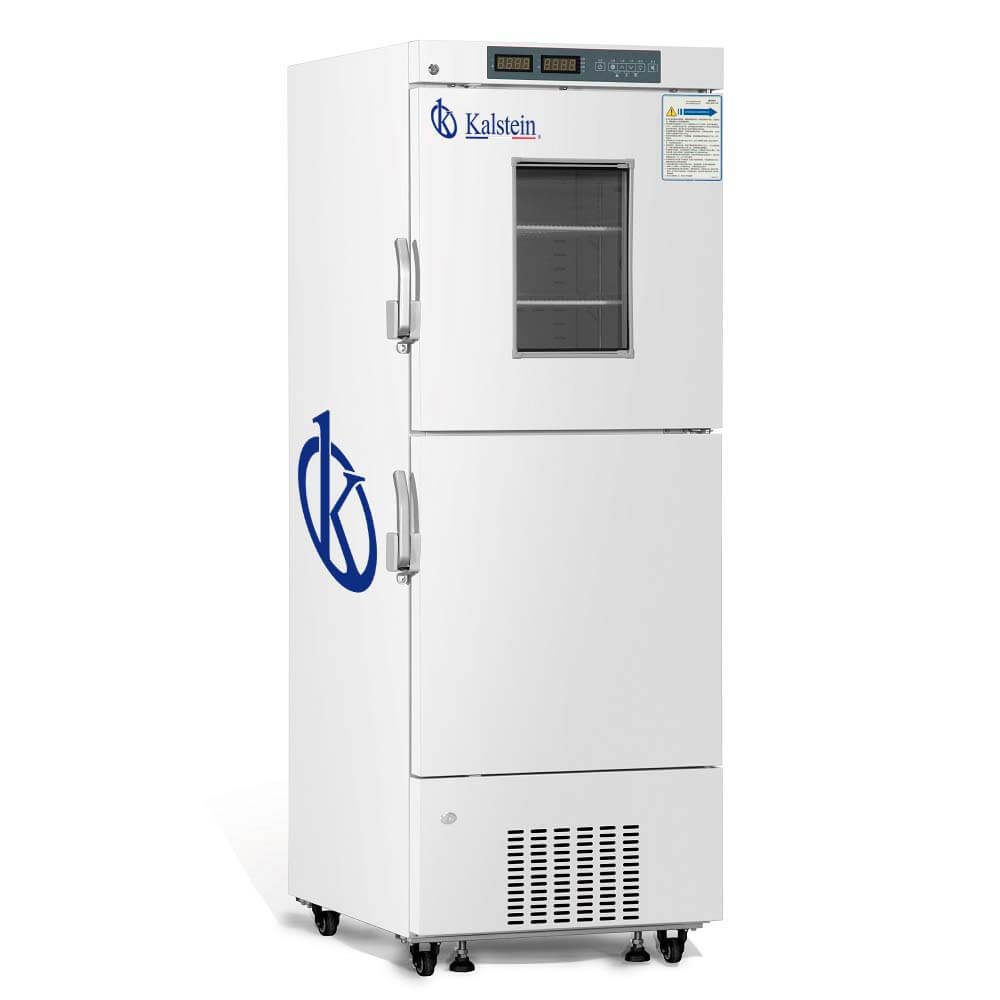
Comparative Analysis of Combined Freezers in Laboratory Applications
In laboratory settings, combined freezers play a crucial role in preserving biological samples, pharmaceuticals, and other temperature-sensitive materials. This article delves into the comparative analysis of several models within the combined freezer subcategory, emphasizing their application efficiency and technical specifications. Understanding the unique features and functionalities of each model can significantly impact operational efficiency in laboratory environments.
Understanding Combined Freezers for Laboratory Use
Combined freezers are designed to maintain specific temperature ranges suitable for different biological materials. They typically consist of a refrigeration compartment for standard storage and a freezing compartment for low-temperature applications. The ability to adjust temperature settings independently in dual compartments is essential for labs handling diverse materials requiring distinct environments.
This comparative analysis focuses on three prominent models: YR05320, YR05321, and YR05321-1. Each model brings unique specifications and advanced features that cater to specific laboratory needs.
Comparison of Available Models
| Model | Cooling Method | Temperature Range (°C) | Energy Consumption (kWh/24h) | Best For | Price (USD) |
|---|---|---|---|---|---|
| YR05320 | Direct Cooling | F: -20 to -40, R: 2 to 8 | 4.15 | Pharmaceuticals, Plasma Storage | 1415.00 |
| YR05321 | Direct Cooling | F: -10 to -25, R: 2 to 8 | 3.03 | Laboratory Samples, Hospitals | 1060.00 |
| YR05321-1 | Direct Cooling | Upper: 2 to 8, Lower: -10 to -25 | 3.00 | Research Laboratories, Blood Centers | 745.00 |
Comparative Benefits of Each Model
YR05320: Versatility in Storage Solutions
The YR05320 model stands out with its dual temperature functionality, making it suitable for storing vaccines and blood plasma. Its robust design ensures reliable performance in clinical settings where temperature precision is paramount. The energy consumption of 4.15 kWh per day enables effective cost management, which is vital for labs operating on tight budgets.
YR05321: Efficient Temperature Control
YR05321's independent temperature settings allow for precise control of both the upper and lower compartments. With a range of -10 to -25°C for freezing and 2 to 8°C for refrigeration, this model is optimal for laboratory environments where temperature fluctuations can compromise sample integrity. Its lower operating cost of 3.03 kWh per day also positions it as a cost-saving option for hospitals and research facilities.
YR05321-1: Enhanced Capacity for Research Applications
This model is ideal for extensive laboratory operations, offering larger storage space with its upper compartment set to 2 to 8°C and the lower compartment adjustable from -10 to -25°C. Its construction is optimized for frequent access, making it suitable for research labs requiring quick sample retrieval without temperature loss. With a price point of $745, it represents an attractive investment for academic settings.
Common Mistakes and How to Avoid Them
Laboratories often make critical errors in selecting combined freezers, leading to inefficiencies and research setbacks. Below are some common pitfalls and suggestions to navigate them:
- Overlooking Temperature Requirements: Ensure that the chosen model can accommodate the temperature needs of all stored materials. Verify if the model maintains precise temperature ranges under varying ambient conditions.
- Not Considering Energy Efficiency: Choose models with lower kWh consumption to reduce operational costs. For instance, the YR05321 operates at just 3.03 kWh per day, making it more economical over time.
- Failing to Evaluate Space Constraints: Assess space availability in the lab before purchasing a combined freezer. Models like YR05321-1 require ample room due to their larger dimensions.
Enhancing Operational Efficiency with Combined Freezers
Operational efficiency in laboratories hinges on the right equipment. Combined freezers that offer dual temperature capabilities can streamline workflows in clinical and research settings. This section outlines strategies for maximizing the utility of combined freezers:
Temperature Monitoring
Implement continuous temperature monitoring systems that alert users to deviations from set parameters. This is vital for maintaining compliance with storage standards for sensitive materials such as vaccines.
Regular Maintenance and Calibration
Scheduled maintenance checks ensure reliable performance and longevity of the equipment. Calibration of temperature sensors must occur regularly, ideally every six months, to uphold accuracy.
Frequently Asked Questions
How do I choose the best combined freezer for my laboratory needs?
Choosing the right combined freezer involves evaluating your specific storage requirements. Models like YR05320 offer a range of -20 to -40°C, making them ideal for plasma storage, while YR05321 is more suited for general laboratory samples with its range of -10 to -25°C.
What energy efficiency standards should I consider for a combined freezer?
When selecting a combined freezer, consider models with lower energy consumption ratings. For instance, the YR05321 operates at 3.03 kWh per day, which aligns with energy efficiency goals while minimizing laboratory operating costs.
What features should I prioritize in a combined freezer for clinical applications?
For clinical applications, prioritize dual temperature controls and reliable cooling methods. The YR05320 model is particularly effective due to its independent compartments, allowing for the storage of both vaccines and blood plasma at optimal temperatures.
What are the best practices for maintaining a combined freezer?
Best practices include regular monitoring of temperature settings, scheduled maintenance checks, and cleaning. Implementing a routine calibration every six months, as recommended for models like YR05321-1, ensures optimal performance.
How can I ensure compliance with storage regulations using combined freezers?
Ensure compliance by selecting models that meet regulatory standards for temperature control. The YR05320, for example, is designed for medical environments, ensuring that plasma and vaccines can be stored efficiently and safely.
What should I consider regarding the warranty and support for combined freezers?
When investing in a combined freezer, check the warranty coverage and manufacturer support. Reliable customer service can provide troubleshooting and parts replacement, which is essential for uninterrupted laboratory operations.
How do I calculate the cost-effectiveness of a combined freezer over time?
To calculate cost-effectiveness, factor in the initial purchase price, energy consumption, and maintenance costs. Models like YR05321 with lower daily energy expenses (3.03 kWh) can yield significant savings over time compared to higher consumption units.
What are the advantages of using a combined freezer in a research environment?
Combined freezers provide flexibility and versatility, allowing researchers to store a variety of materials at optimal temperatures. The YR05321-1, with its dual compartments, is particularly advantageous for research labs needing rapid access to diverse samples.
If you are looking for a fusion of innovation and quality, you have come to the right place. At Kalstein, we offer you the luxury of exploring our exclusive catalog of laboratory equipment. We manufacture every device to the highest standards of excellence. Our intuitive and seamless online purchasing channels are designed for your convenience, securing the most competitive prices. Hesitate no longer — we bring science to life, it is time to become part of our community.