Common Mistakes and How to Avoid Them in Daily Operation of Portable Spectrophotometers 2026
What is it used for in 2026
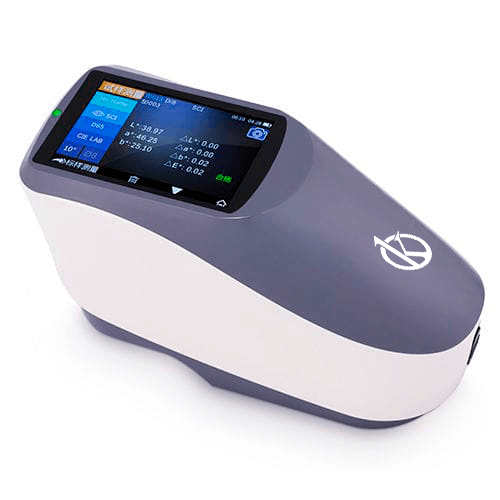
Portable spectrophotometers are essential tools in various laboratory applications in 2026. They are utilized for measuring the absorbance and transmittance of light in samples, which is crucial for determining the concentration of substances in various solutions. Industries such as pharmaceuticals, food and beverage, environmental monitoring, and materials science leverage these devices for quality control, research, and development purposes. They allow users to perform quick and accurate color measurement and analysis.
History and evolution of the technology
The evolution of spectrophotometry dates back to the early 19th century with the development of basic optical instruments. Over the years, advancements in technology have led to the creation of portable spectrophotometers that are more accurate, user-friendly, and compatible with modern digital interfaces. The introduction of refined measurement techniques, such as UV-visible spectroscopy, has enhanced the precision of these instruments, making them indispensable in laboratories worldwide.
How to use it step by step
Using a portable spectrophotometer involves several critical steps to ensure accurate measurements:
- Preparation: Ensure the device is clean and properly calibrated.
- Sample Collection: Obtain the sample to be measured while minimizing contamination.
- Setting Wavelength: Select the appropriate wavelength for your analysis based on the sample's absorption characteristics.
- Zeroing the Device: Calibrate the spectrophotometer by zeroing it with a blank sample.
- Measurement: Place the sample in the light path and take the measurement.
- Data Recording: Document the readings for further analysis and reporting.
Best techniques and protocols
For optimal performance of portable spectrophotometers, adhering to best practices is essential:
- Always use clean cuvettes to prevent contamination.
- Calibrate regularly based on the manufacturer's recommendations.
- Use the correct wavelength settings for different substances.
- Perform duplicate measurements for accuracy.
Practical applications by laboratory type
Portable spectrophotometers find application across various laboratory types:
- Pharmaceutical Labs: For quality control of active ingredients.
- Environmental Labs: To measure pollutants in water samples.
- Food Testing Labs: For analyzing color and quality of food products.
Regulations, standards and certifications
Laboratories utilizing portable spectrophotometers must comply with various regulations and standards, such as:
- ISO 17025 for laboratory testing.
- GLP (Good Laboratory Practice) guidelines.
- Specific industry standards related to quality control.
Comparison with alternative technologies
While portable spectrophotometers are widely used, other technologies such as colorimeters and traditional spectrophotometers offer different functionalities:
- Colorimeters: Often simpler and used for specific color measurements.
- Traditional Spectrophotometers: Generally offer higher precision but lack portability.
Comparison of available models
| Model | Best for | Key specs | Recommended use case |
|---|---|---|---|
| YR05503 | Traffic signal color measurement | 20 mm aperture, $1892.00 | Measuring brightness factor and color coordinates of traffic signs. |
| YR05504 | Color analysis in labs | 8 mm and 4 mm apertures, $2230.00 | Used for precise color analysis in various industrial applications. |
| YR05505 | Color transfer and quality control | Custom apertures, $1740.00 | Applicable in paints, inks, and textiles for color transfer. |
| YR05500 | High precision UV measurement | USB/Bluetooth connectivity, $2695.00 | For high precision tasks in various laboratory settings. |
| YR05501 | High precision UV measurement | USB/Bluetooth connectivity, $1970.00 | Designed for versatile laboratory measurements. |
| YR05502 | High precision UV measurement | USB/Bluetooth connectivity, $1820.00 | Ideal for broad laboratory applications needing high precision. |
Common mistakes and how to avoid them
Laboratory professionals often face challenges while using portable spectrophotometers. Here are some common mistakes and ways to avoid them:
- Not Calibrating: Always calibrate the device before use to ensure accuracy.
- Using Dirty Cuvettes: Clean cuvettes should be used to avoid contamination.
- Ignoring Manufacturer Instructions: Follow the user manual for best practices and operational guidance.
Maintenance, calibration and good practices 2026
To ensure longevity and accuracy in 2026, regular maintenance and calibration should be practiced:
- Perform routine cleaning of optical components.
- Check calibration against a standard every month.
- Store the device in a protective case when not in use.
Cost-benefit analysis 2026
Investing in a portable spectrophotometer offers significant benefits:
- Enhanced accuracy in measurements allows for better quality control.
- Portability enables on-site testing, saving time in laboratory processing.
- Improved productivity through streamlined workflows and faster analysis.
Frequently asked questions
What should I consider when choosing a portable spectrophotometer?
Consider factors such as the required wavelength range, type of samples you will be analyzing, and connectivity options like USB or Bluetooth.
How often should I calibrate my spectrophotometer?
Calibration should be performed regularly, ideally before each use or at least once a week, depending on the frequency of use.
Can I use the spectrophotometer for different types of samples?
Yes, portable spectrophotometers are versatile and can be used for various sample types, including liquids, solids, and powders, depending on the model.
What is the importance of using clean cuvettes?
Using clean cuvettes is vital to prevent contamination that can skew results and lead to inaccurate measurements.
What are the advantages of portable spectrophotometers over traditional models?
Portable spectrophotometers offer greater flexibility in performing on-site measurements, are generally lighter and easier to handle, and are equipped with modern connectivity features.
Is training required to operate a portable spectrophotometer?
While basic operation is straightforward, training is recommended to fully understand features and ensure accurate usage.
Where can I request a quote for a portable spectrophotometer?
You can request a quote through our platform, where we provide competitive pricing for your laboratory needs.
If you are looking for a fusion of innovation and quality, you have come to the right place. At Kalstein, we offer you the luxury of exploring our exclusive catalog of laboratory equipment. We manufacture every device to the highest standards of excellence. Our intuitive and seamless online purchasing channels are designed for your convenience, securing the most competitive prices. Hesitate no longer — we bring science to life, it is time to become part of our community.