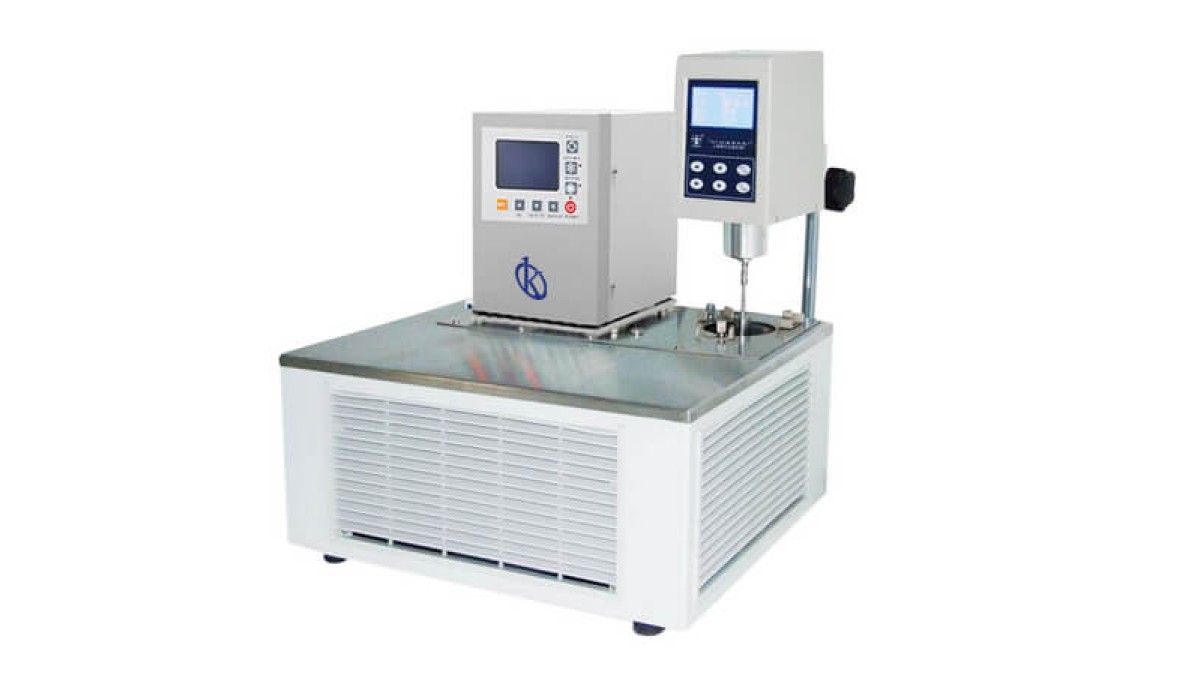
Common Mistakes and How to Avoid Them in Daily Operations of Bath Circulators 2026
What is it used for in 2026
Bath circulators are essential tools in laboratories, particularly for maintaining consistent temperatures in various applications. In 2026, they are used extensively for experiments involving temperature-sensitive reactions, such as chemical syntheses, biological assays, and materials testing. Their ability to provide precise thermal control makes them invaluable in fields like pharmaceuticals, biotechnology, and material sciences.
History and evolution of the technology
The evolution of bath circulators dates back to the early 20th century when temperature control was rudimentary and limited. Initially, these devices were simple water baths that relied on basic heating elements. Over the years, technological advancements have led to the development of sophisticated circulators equipped with PID (Proportional-Integral-Derivative) controllers, enhancing accuracy and stability. Modern models now come with features like digital interfaces, alarms for overheating, and automated temperature adjustments, making them highly efficient for contemporary laboratory needs.
How to use it step by step
Using a bath circulator involves several key steps to ensure accurate temperature control:
- Preparation: Ensure the device is clean and the water is distilled to prevent contamination.
- Setup: Fill the bath with the appropriate volume of water, ensuring it covers the heating elements adequately.
- Temperature Setting: Turn on the device and input the desired temperature setting using the digital interface.
- Monitoring: Regularly check the temperature display and ensure the system is stable.
- Usage: Place the samples in the bath and ensure they are fully immersed without touching the sides or bottom of the bath.
- Finalization: After use, power down the device, remove samples, and clean the bath to maintain hygiene and functionality.
Best techniques and protocols
The best practices for operating bath circulators involve:
- Regular Calibration: Ensure the device is calibrated annually to maintain accuracy.
- Water Quality Maintenance: Use distilled or deionized water to prevent mineral build-up.
- Temperature Monitoring: Use an external thermometer to verify the internal temperature for critical experiments.
- Sample Placement: Arrange samples to allow proper fluid circulation for even heating.
Practical applications by laboratory type
Bath circulators serve various laboratory types, including:
- Biotechnology Labs: Used for enzyme reactions requiring precise temperatures.
- Chemical Research Labs: Essential for conducting synthesis reactions.
- Quality Control Labs: Useful in testing material properties under temperature variations.
Regulations, standards and certifications
In 2026, compliance with ISO standards and laboratory safety regulations is crucial. Bath circulators should meet the guidelines provided by organizations such as ASTM and ANSI to ensure safety and reliability. Regular audits and certifications are necessary to maintain the integrity of laboratory practices.
Comparison with alternative technologies
Bath circulators are often compared with other temperature-control methods like water baths and chillers. While water baths provide basic heating, bath circulators offer enhanced temperature control and stability. Compared to chillers, they excel in applications requiring high accuracy and less fluctuation.
Comparison of available models
| Model | Best for | Key specs | Recommended use case |
|---|---|---|---|
| YR04985 | Viscometers and high precision temperature control | Temperature range: -5 to 99.9°C, Accuracy: ±0.1°C | Used in temperature-sensitive viscosity measurements in labs |
| YR04999 | Constant temperature environments | Temperature range: -30 to 100°C, Stability: ±0.05°C | Ideal for electronic component testing and chemical synthesis |
| YR04996 | Versatile temperature control | Temperature range: -5 to 100°C, Flow rate: 30 L/min | Applicable in research requiring stable temperature environments |
| YR04988 | Low temperature applications | Temperature range: -20 to 100°C, Flow rate: 14 L/min | Suitable for life sciences experiments |
| YR04989 | Medium temperature control | Temperature range: -30 to 100°C, Flow rate: 12 L/min | Used in synthetic chemistry for precise reactions |
| YR04986 | High performance stability | Temperature range: -5 to 100°C, Stability: ±0.05°C | Effective in laboratory trials that demand high accuracy |
Common mistakes and how to avoid them
Some frequent mistakes include:
- Not Calibrating Regularly: Calibration should be a routine practice to ensure accuracy.
- Improper Water Levels: Always check that water levels are appropriate before operation.
- Ignoring Maintenance: Regular cleaning and servicing of the device is essential for longevity.
Maintenance, calibration and good practices 2026
Regular maintenance should include:
- Monthly Cleaning: Clean the bath and ensure there are no residues.
- Annual Calibration: Perform checks on temperature accuracy.
- User Training: Ensure that all users are trained on operational protocols.
Cost-benefit analysis 2026
Investing in a bath circulator provides long-term benefits through:
- Increased Efficiency: Reduces time spent on manual temperature adjustments.
- Enhanced Accuracy: Minimizes errors in experimental outcomes.
- Longevity of Equipment: Proper use extends the lifespan of devices.
Frequently asked questions
What are the key features to look for in a bath circulator?
When selecting a bath circulator, consider features such as temperature range, stability, flow rate, and control system (PID is preferred).
How can I ensure accurate temperature readings?
Using an external calibrated thermometer alongside the circulator will help verify the accuracy of the displayed temperature.
What maintenance is required for optimal performance?
Regular cleaning, calibration, and ensuring distilled water is used are critical for maintaining performance.
Can bath circulators be used for all types of samples?
While versatile, ensure that the samples are compatible with the temperature range and medium of the circulator.
What safety precautions should I take when using bath circulators?
Always monitor the water levels and ensure that electrical connections are safe to prevent hazards.
How often should I calibrate my bath circulator?
Calibration should be performed at least once a year or more frequently if the device is used extensively.
Where can I find reliable bath circulators for my laboratory?
For reliable bath circulators, consider reaching out for a quote on our advanced models.
If you are looking for a fusion of innovation and quality, you have come to the right place. At Kalstein, we offer you the luxury of exploring our exclusive catalog of laboratory equipment. We manufacture every device to the highest standards of excellence. Our intuitive and seamless online purchasing channels are designed for your convenience, securing the most competitive prices. Hesitate no longer — we bring science to life, it is time to become part of our community.