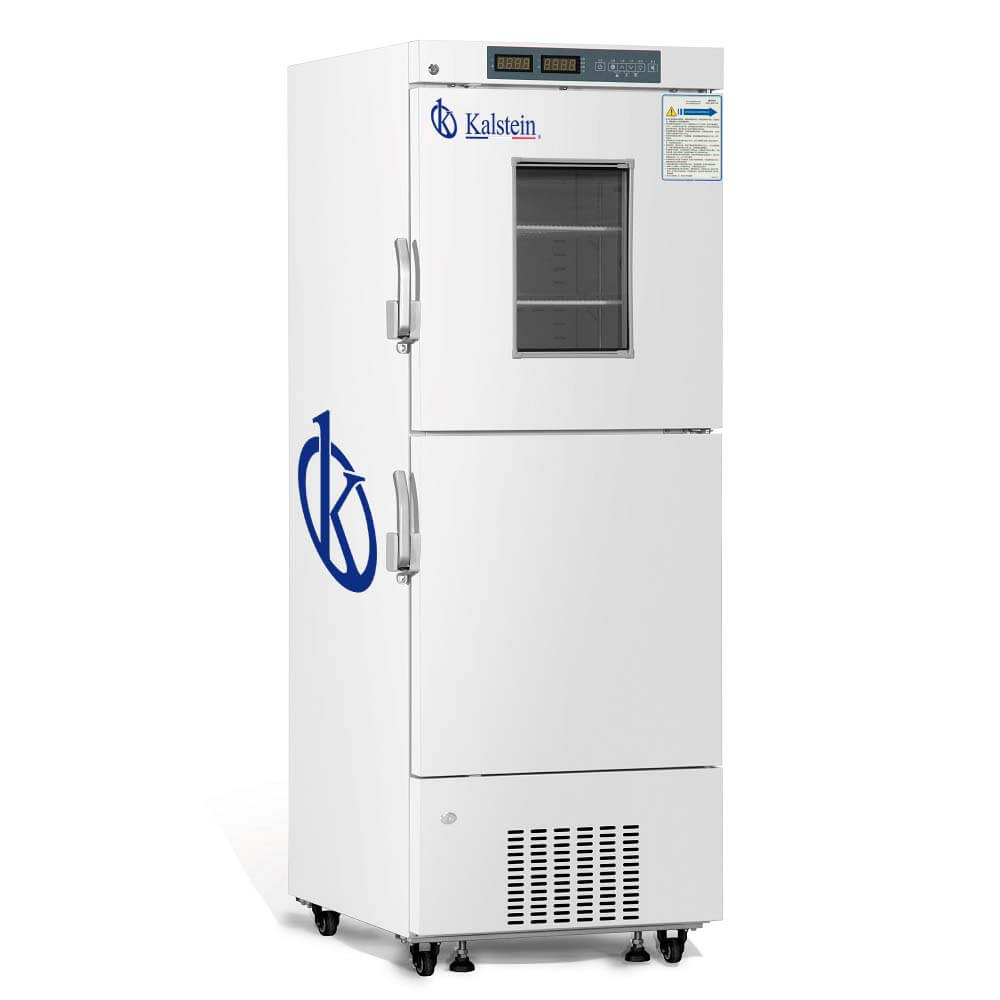
Combined Freezers: Applications in Research, Biotechnology, and Academia 2026
What is it used for in 2026
Combined freezers are essential laboratory devices that play a critical role in the preservation and storage of biological samples, vaccines, and pharmaceuticals. In 2026, these freezers are increasingly utilized across various sectors, such as research laboratories, hospitals, and biotechnological companies. The dual temperature system allows for the safe storage of sensitive materials at varying conditions, making these devices invaluable for maintaining sample integrity and efficacy.
History and evolution of the technology
The technology behind combined freezers has evolved significantly over the years. Initially, freezers were basic units designed solely for deep freezing capabilities. Over time, advancements in cooling technology and energy efficiency have led to the development of models that allow independent temperature control for both refrigeration and freezing compartments. This evolution has made it possible for laboratories to store a wider variety of materials under optimal conditions, crucial for research and clinical practices.
How to use it step by step
Using a combined freezer involves several key steps to ensure optimal performance and sample safety:
- Installation: Place the unit in a temperature-controlled environment, away from direct sunlight and heat sources.
- Temperature Setting: Set the desired temperatures for both the refrigeration and freezing compartments based on the specific materials being stored.
- Loading Samples: Ensure samples are properly labeled and organized. Load them in a manner that allows for adequate airflow.
- Regular Monitoring: Check temperature settings regularly to ensure they remain stable. Utilize alarms and digital displays for notifications.
- Maintenance: Conduct routine cleaning and defrosting as needed to maintain efficiency.
Best techniques and protocols
To maximize the efficiency of combined freezers, follow these best practices:
- Sample Organization: Use clearly labeled bins and racks for easy access and identification.
- Temperature Calibration: Regularly calibrate the temperature settings to ensure accuracy.
- Prevent Overloading: Avoid overloading the freezer, as this can impede airflow and lead to temperature fluctuations.
- Backup Systems: Implement backup systems such as generators or secondary freezers to protect against power failures.
Practical applications by laboratory type
Different laboratory types utilize combined freezers for various purposes:
- Clinical Laboratories: Store vaccines and blood plasma at optimal temperatures for patient safety.
- Research Facilities: Preserve biological samples and reagents critical to ongoing experiments.
- Pharmaceutical Companies: Maintain the stability of drug products under specific temperature conditions.
Regulations, standards and certifications
Combined freezers must comply with several regulations and standards, including:
- ISO Standards: Ensure quality management systems are in place.
- FDA Regulations: Adhere to guidelines for the storage of pharmaceuticals and biological products.
- CE Marking: Denote compliance with health, safety, and environmental protection standards for products sold within the European Economic Area.
Comparison with alternative technologies
While combined freezers are widely used, other technologies such as standalone freezers and ultra-low temperature freezers exist. Here’s how they compare:
- Standalone Freezers: Generally offer lower energy efficiency and can only be used for storage at one temperature.
- Ultra-Low Temperature Freezers: Ideal for cryopreservation, but come with higher operational costs and energy consumption.
Comparison of available models
| Model | Best for | Key specs | Recommended use case |
|---|---|---|---|
| YR05320 | Pharmacy and Plasma Storage | 368L capacity, -20℃ to -40℃ range | Storing vaccines and blood plasma in clinical settings. |
| YR05321 | Clinical Laboratories | Dual system, -10℃ to -25℃ range | Maintaining vaccine integrity in hospitals and blood banks. |
| YR05321-1 | Blood Transfusion Centers | Independent temperature control, 198L upper capacity | Storing blood products safely for transfusions. |
Common mistakes and how to avoid them
Laboratory professionals often make mistakes that can compromise the functionality of combined freezers. Here are some common pitfalls:
- Ignoring Maintenance: Regularly schedule maintenance checks to ensure optimal performance.
- Poor Sample Organization: Maintain a clear labeling system to avoid confusion and ensure easy access.
- Overloading Units: Follow manufacturer guidelines regarding maximum load capacity to avoid temperature fluctuations.
Maintenance, calibration and good practices 2026
In 2026, it is crucial to maintain and calibrate combined freezers properly. Follow these practices:
- Cleaning: Clean interiors regularly to prevent sample contamination.
- Temperature Checks: Implement routine checks to ensure settings are accurate.
- Documentation: Keep records of maintenance activities and temperature logs for compliance and quality assurance.
Cost-benefit analysis 2026
When purchasing combined freezers, consider the following cost-benefit analysis:
- Initial Investment: Weigh the upfront costs against the potential benefits, such as energy efficiency and sample safety.
- Operational Costs: Calculate energy consumption and maintenance expenses to assess long-term feasibility.
- Return on Investment: Consider the impact of maintaining sample integrity on research outcomes and patient safety.
Frequently asked questions
How do I choose the right combined freezer for my laboratory?
Consider factors such as storage capacity, temperature range, and specific applications when selecting a combined freezer. Assess your laboratory's needs and potential future requirements.
What is the ideal temperature setting for biological sample storage?
The ideal temperature generally ranges from -20℃ to -40℃ for deep freezing, while refrigeration should be maintained between 2℃ and 8℃, depending on the specific material.
How often should I calibrate my combined freezer?
It is recommended to calibrate the combined freezer at least twice a year or whenever you experience temperature fluctuations or after maintenance.
Can combined freezers maintain temperature during a power outage?
While combined freezers can maintain temperature for a limited time during power outages, using backup systems or generators is advisable to ensure continuous operation.
What maintenance is required for combined freezers?
Regular cleaning, temperature checks, and monitoring for any signs of wear or malfunction are essential. Keeping a maintenance log is also beneficial.
Are there specific regulations I need to comply with when using combined freezers?
Yes, compliance with ISO standards, FDA regulations, and CE marking requirements is necessary, depending on the materials being stored.
How can I ensure sample security in my combined freezer?
Implement regular monitoring, use alarm systems, and maintain a backup power supply to ensure sample security in your combined freezer.
If you are looking for a fusion of innovation and quality, you have come to the right place. At Kalstein, we offer you the luxury of exploring our exclusive catalog of laboratory equipment. We manufacture every device to the highest standards of excellence. Our intuitive and seamless online purchasing channels are designed for your convenience, securing the most competitive prices. Hesitate no longer — we bring science to life, it is time to become part of our community.