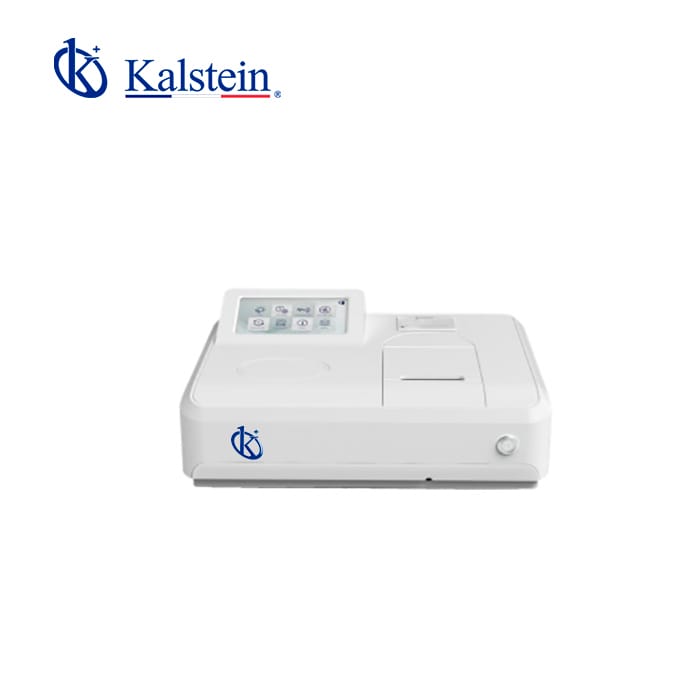
COD/BOD Analyzers: Common Mistakes and How to Avoid Them in Daily Operation 2026
What is it used for in 2026
In 2026, COD (Chemical Oxygen Demand) and BOD (Biochemical Oxygen Demand) analyzers are essential tools in environmental laboratories, enabling the measurement of organic pollutants in water and wastewater. These analyzers are crucial for assessing water quality, ensuring compliance with environmental regulations, and monitoring treatment processes in various industries.
History and evolution of the technology
The technology behind COD and BOD analysis has evolved significantly over the years. Initially, these methods involved labor-intensive procedures that required extensive manual handling and interpretation. Over time, advancements in spectrophotometry and automation have led to the development of reliable and efficient analyzers, such as the COD Analyzer YR06295 and the BOD Analyzer YR06297, which streamline workflows and improve accuracy.
How to use it step by step
Using COD/BOD analyzers requires a systematic approach to ensure accurate results. Here’s a step-by-step guide on how to operate these devices:
- Prepare your samples following standard protocols for sampling and preservation.
- Turn on the analyzer and allow it to warm up, as per the manufacturer’s instructions.
- Input the required parameters into the device, including sample identification and measurement type.
- Process the samples according to the analyzer’s specifications, taking care to follow safety protocols.
- Record the results and analyze them for compliance with relevant standards.
- Clean and maintain the analyzer to ensure longevity and reliable performance.
Best techniques and protocols
To achieve reliable results with COD/BOD analyzers, laboratory professionals should adopt best practices and follow established protocols. Here are some techniques:
- Always calibrate the device before use to ensure accuracy.
- Utilize disposable cuvettes to prevent cross-contamination.
- Implement a consistent sample handling procedure to reduce variability.
- Use standard solutions for calibration and always verify with quality control samples.
Practical applications by laboratory type
Different laboratory types utilize COD/BOD analyzers for specific applications:
- Environmental laboratories: Monitor water quality in natural bodies and effluents.
- Industrial laboratories: Assess the efficiency of wastewater treatment processes.
- Research institutions: Study the impacts of pollution on aquatic ecosystems.
Regulations, standards and certifications
Laboratories using COD/BOD analyzers must adhere to various regulations and standards, such as:
- EPA Method 410.4 for COD analysis.
- ISO 5814 for BOD determination.
- Local environmental regulations that govern wastewater discharge.
Comparison with alternative technologies
While COD and BOD analyzers are widely used, alternative technologies such as TOC (Total Organic Carbon) analyzers offer different advantages. TOC analyzers provide a quick overview of organic content without the need for extensive digestion processes. However, COD and BOD remain standard for compliance testing due to their specificity.
Comparison of available models
| Model | Best for | Key specs | Recommended use case |
|---|---|---|---|
| YR06295 | Rapid COD analysis | 10-10000 mg/L, < 5% accuracy | Routine water quality testing |
| YR06296 | Portable COD analysis | 10-10000 mg/L, ≤5% accuracy | On-site environmental monitoring |
| YR06297 | BOD testing | 0-4000 mg/L | Long-term wastewater treatment assessment |
| YR06298 | Sample digestion | Temperature 37℃~165℃ | Preparation of samples for COD/BOD analysis |
Common mistakes and how to avoid them
Laboratory professionals often make mistakes that can compromise results. Here are common pitfalls and how to avoid them:
- Not calibrating the equipment regularly — conduct calibration checks before every batch of samples.
- Using contaminated samples — ensure proper sample collection techniques to avoid interference.
- Neglecting maintenance — schedule regular maintenance checks to keep devices in optimal condition.
Maintenance, calibration and good practices 2026
Maintaining and calibrating COD/BOD analyzers is critical for accurate measurements. Here are good practices to implement in 2026:
- Follow the manufacturer's maintenance schedule.
- Perform daily checks on key components like light sources and cuvettes.
- Document all maintenance and calibration activities to maintain a quality control log.
Cost-benefit analysis 2026
Investing in COD/BOD analyzers can yield significant benefits, including:
- Increased efficiency in water quality testing.
- Reduced labor costs associated with manual methods.
- Improved compliance with environmental regulations, avoiding potential fines.
Frequently asked questions
What factors should I consider when choosing a COD/BOD analyzer?
When selecting a COD/BOD analyzer, consider factors such as the measurement range, accuracy, portability, and ease of use. Evaluate your laboratory's specific needs and the types of samples you will be analyzing.
How can I ensure accurate results from my analyzer?
To ensure accuracy, routinely calibrate your analyzer, use quality control samples, and follow proper sample handling protocols. Regular maintenance is also essential for reliable performance.
What is the importance of calibration in COD/BOD analysis?
Calibration is critical as it establishes the relationship between the instrument's output and the actual concentration of the analyte. Regular calibration ensures consistent and accurate results across different measurement sessions.
Can I use COD/BOD analyzers for other types of samples?
While COD/BOD analyzers are primarily designed for water and wastewater samples, some models can be adapted for other liquid samples with appropriate calibration and methodology adjustments.
What maintenance tasks are necessary for COD/BOD analyzers?
Regular maintenance tasks include cleaning the optical components, checking the light source, ensuring proper function of the sample holder, and verifying software updates as required by the manufacturer.
How do I troubleshoot common issues with my analyzer?
Common troubleshooting steps include checking connections, ensuring proper calibration, examining for blockages in sample pathways, and reviewing error codes in the device's manual.
If you are looking for a fusion of innovation and quality, you have come to the right place. At Kalstein, we offer you the luxury of exploring our exclusive catalog of laboratory equipment. We manufacture every device to the highest standards of excellence. Our intuitive and seamless online purchasing channels are designed for your convenience, securing the most competitive prices. Hesitate no longer — we bring science to life, it is time to become part of our community.