CO₂ Incubators: Energy Sustainability and Environmental Footprint Reduction 2026
In the laboratory environment, CO₂ incubators play a crucial role in cell culture, tissue growth, and microbiological research. With increasing focus on sustainability, lab professionals are actively seeking ways to enhance energy efficiency and reduce their environmental footprint. This article delves into how modern CO₂ incubators can meet these objectives while discussing specific models that embody these principles. We will examine their energy consumption, efficiency features, and innovative technologies that align with sustainability goals.
Understanding the Importance of Energy Sustainability in Laboratories
Energy sustainability in laboratories is no longer just a trend; it has become a necessity. As labs consume a significant amount of energy, adopting energy-efficient equipment like CO₂ incubators is critical. These devices not only reduce operational costs but also minimize overall environmental impact. The adoption of energy-efficient CO₂ incubators can significantly lower greenhouse gas emissions, helping laboratories align with global sustainability targets.
Key Features of CO₂ Incubators that Promote Energy Sustainability
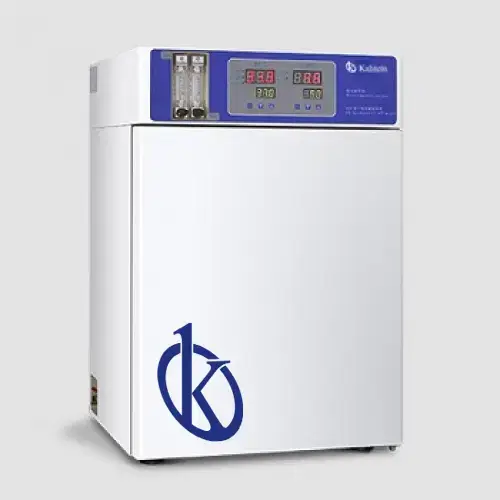
Modern CO₂ incubators are equipped with features that enhance energy sustainability. These include advanced microprocessor controls for precise temperature regulation, energy-efficient heating systems, and optimized gas distribution mechanisms. For instance, CO₂ Incubator models like YR02048 and YR02049 utilize intelligent microcomputer control systems that maintain constant temperatures and quick CO₂ recovery times, minimizing energy waste.
Evaluating Energy Consumption: A Comparison of CO₂ Incubator Models
When evaluating CO₂ incubators, it's essential to consider their energy consumption metrics. The following table summarizes the energy-related specifications of various models:
| Model | Temperature Range (℃) | Power (kW) | CO₂ Recovery Time (min) | Best Application |
|---|---|---|---|---|
| YR02048 | RT + 5 ~ 60 | 0.35 | ≤ 1.2 | Cell, tissue, and bacterial cultures |
| YR02049 | RT + 5 ~ 60 | 0.35 | ≤ 1.2 | Research and pharmaceuticals |
| YR02049-1 | RT + 5 ~ 55 | 0.35 | ≤ 2 | Microbiology and pathology |
Implementing Energy-efficient Practices in Laboratory Settings
To ensure that laboratories maximize the benefits of their CO₂ incubators, adopting best practices is vital. Regular maintenance, proper calibration, and optimizing workflows can greatly enhance energy efficiency. Additionally, positioning the incubators in temperature-stable locations and minimizing door openings will help maintain internal environments without excess energy consumption.
Life Cycle Assessment of CO₂ Incubators: Reducing Environmental Footprint
Life cycle assessment (LCA) provides insights into the environmental impacts associated with CO₂ incubators across their lifespan. This includes energy consumption during operation, materials used in manufacturing, and waste generated at end-of-life. Models like YR02049-1, with features to prevent cross-contamination and improve longevity, contribute to a smaller environmental footprint by reducing the frequency of equipment replacement.
Comparison of Available Models
The following table compares critical specifications of the CO₂ incubator models discussed, providing insights into their strengths in the context of energy sustainability and environmental impact.
| Model | Energy Consumption (kW) | CO₂ Range (%) | Temperature Precision (℃) | Best Use Case |
|---|---|---|---|---|
| YR02048 | 0.35 | 0 ~ 20 | ± 0.1 | General cell culture |
| YR02049 | 0.35 | 0 ~ 20 | ± 0.1 | Pharmaceutical research |
| YR02049-1 | 0.35 | 0 ~ 20 | ± 0.1 | Microbiology studies |
Common Mistakes and How to Avoid Them
When operating CO₂ incubators, laboratories often make common mistakes that can undermine energy efficiency. These include inadequate calibration, neglecting regular maintenance, and improper usage practices like frequent door openings. To avoid these issues, labs should establish a routine maintenance schedule and train staff on best practices for energy-efficient operation.
Frequently Asked Questions
How can CO₂ incubators reduce energy consumption in laboratory settings in 2026?
CO₂ incubators such as the YR02048 are designed with advanced microprocessing technology that optimizes energy usage by controlling temperature and CO₂ levels precisely. This precision minimizes energy waste, leading to significant reductions in overall energy consumption.
What are the environmental benefits of using energy-efficient CO₂ incubators?
Using energy-efficient models like the YR02049-1 not only lowers operational costs but also decreases carbon emissions associated with laboratory operations. By integrating sustainable practices, labs contribute positively to environmental conservation efforts.
Which CO₂ incubator model offers the best energy recovery time?
The YR02048 model boasts an impressive CO₂ recovery time of less than 1.2 minutes, making it an excellent choice for labs focused on energy efficiency and minimizing environmental impact during operations.
How do I choose the best CO₂ incubator for sustainable practices?
Consider factors like energy consumption, recovery time, and temperature precision. Models such as YR02049 are specially designed for pharmaceuticals and offer advanced energy-sustaining technologies, making them ideal for sustainable laboratory practices.
What role does regular maintenance play in optimizing CO₂ incubators?
Regular maintenance ensures that CO₂ incubators operate efficiently, thus enhancing their energy performance. Calibrating models like YR02049 and YR02049-1 according to the manufacturer's guidelines maximizes their longevity and energy efficiency.
How can laboratories track their energy savings from CO₂ incubators?
Labs can monitor energy savings by analyzing their energy bills, using energy monitoring software, or implementing smart energy meters. Tracking energy consumption before and after integrating models like the YR02048 will provide clear insights into savings.
What innovative features should I look for in CO₂ incubators to enhance sustainability?
Look for CO₂ incubators with microprocessor controls, UV sterilization lamps, and efficient gas distribution systems. Models like YR02049-1 incorporate these features, ensuring enhanced sustainability in laboratory environments.
How do CO₂ incubators impact laboratory operational costs in the long term?
Investing in energy-efficient CO₂ incubators can reduce operational costs significantly. Models such as the YR02048 contribute to lower energy bills and extended lifespans, providing a strong return on investment over time.
If you are looking for a fusion of innovation and quality, you have come to the right place. At Kalstein, we offer you the luxury of exploring our exclusive catalog of laboratory equipment. We manufacture every device to the highest standards of excellence. Our intuitive and seamless online purchasing channels are designed for your convenience, securing the most competitive prices. Hesitate no longer — we bring science to life, it is time to become part of our community.