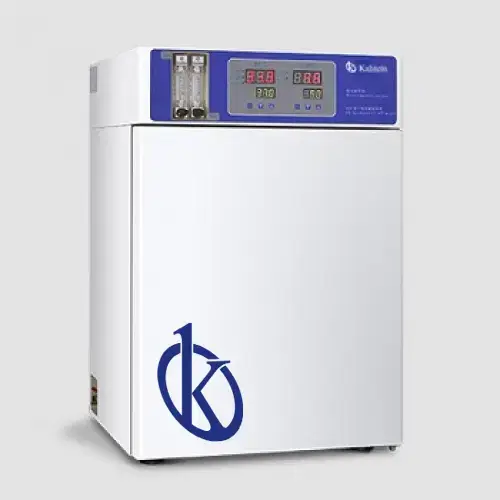
CO₂ Incubators: Common Mistakes and How to Avoid Them in Daily Operation 2026
What is it used for in 2026
CO₂ incubators are essential tools in laboratories for culturing cells, tissues, and bacteria. Their primary function is to provide a controlled environment that mimics natural growth conditions, which is crucial for applications in immunology, oncology, genetics, and bioengineering. These incubators maintain specific temperature, humidity, and CO₂ levels to enhance cell growth and viability. In 2026, as the demand for advanced research increases, the use of CO₂ incubators spans across diverse fields including agricultural science, microbiology, and pharmaceutical development.
History and evolution of the technology
CO₂ incubators have evolved significantly since their inception. Initially, these incubators were basic temperature-controlled chambers. Over the decades, advancements in technology introduced precise microprocessor controls, improved temperature uniformity, and sophisticated CO₂ sensors. The integration of UV sterilization and advanced humidity systems has enhanced their ability to maintain sterile conditions, crucial for sensitive biological experiments. Today, modern CO₂ incubators are equipped with features that allow for real-time monitoring and remote access, making them indispensable in contemporary laboratories.
How to use it step by step
Using a CO₂ incubator involves several critical steps to ensure optimal performance:
- Initial Setup: Position the incubator in a stable environment, away from direct sunlight and drafts. Plug it in and allow it to reach the desired temperature.
- Calibration: Calibrate the temperature and CO₂ levels according to the manufacturer's guidelines. Ensure the sensors are functioning correctly.
- Loading Samples: Place your samples in sterile containers and load them into the incubator. Avoid overcrowding to ensure proper airflow.
- Monitoring: Regularly check the temperature and CO₂ levels using the built-in monitors. Adjust settings if necessary.
- Data Logging: Use the data logging features if available, to keep track of environmental changes and sample conditions over time.
- Cleaning: Follow proper cleaning protocols after every use to maintain sterility. Utilize the UV sterilization feature as needed.
- Regular Maintenance: Schedule routine maintenance checks to ensure all components function correctly, including fans, sensors, and heating elements.
Best techniques and protocols
To maximize the effectiveness of CO₂ incubators, consider the following techniques and protocols:
- Use of Sterile Techniques: Always handle samples with sterile gloves and tools to prevent contamination.
- Temperature Management: Maintain a consistent temperature and avoid frequent door openings to ensure stable conditions.
- Humidity Control: Regularly check humidity levels and refill water reservoirs as needed to prevent desiccation of samples.
- Routine Calibration: Engage in routine calibration of CO₂ and temperature settings to ensure accuracy.
- Documentation: Keep detailed records of all maintenance, calibration, and sample conditions to support reproducibility.
Practical applications by laboratory type
CO₂ incubators find practical applications in various laboratory settings:
- Clinical Laboratories: Used for culturing clinical samples from patients to diagnose diseases.
- Research Laboratories: Essential for conducting experiments in cellular biology and genetics.
- Pharmaceutical Development: Critical for testing drug efficacy on cultured cells.
- Veterinary Clinics: Used for growing cell lines for vaccine production and testing.
- Agricultural Laboratories: Helps in studying plant tissue culture and genetic modifications.
Regulations, standards and certifications
CO₂ incubators must adhere to several regulations and standards to ensure safety and efficacy:
- ISO 9001: Quality management systems that ensure consistency in production.
- ISO 13485: Certification for medical devices, ensuring they meet regulatory requirements for safety and effectiveness.
- Good Laboratory Practices (GLP): Guidelines that govern laboratory operations to ensure quality and integrity in research.
- ASTM Standards: Various ASTM standards govern laboratory equipment testing and performance.
Comparison with alternative technologies
When comparing CO₂ incubators to alternative technologies such as standard incubators or bioreactors, several factors emerge:
- Environmental Control: CO₂ incubators provide precise control of CO₂ levels, which is not typically found in standard incubators.
- Scalability: Bioreactors are more suited for large-scale culturing, whereas CO₂ incubators are ideal for smaller, controlled experiments.
- Cost: CO₂ incubators are generally more affordable than high-end bioreactors, making them accessible for various laboratory sizes.
Comparison of available models
| Model | Best for | Key specs | Recommended use case |
|---|---|---|---|
| YR02048 | Cell, tissue, and bacterial cultures | Temperature range: RT + 5 to 60°C, CO₂ range: 0 to 20% | Ideal for immunology, oncology, and genetic studies |
| YR02049 | Cell, tissue, and bacterial cultures | Temperature range: RT + 5 to 60°C, CO₂ range: 0 to 20% | Best for agricultural and pharmaceutical research |
| YR02049-1 | Cell culture and microbiological research | Temperature range: RT + 5 to 55°C, CO₂ range: 0 to 20% | Suitable for pathology and life sciences |
Common mistakes and how to avoid them
Laboratory professionals may encounter various mistakes while operating CO₂ incubators. Here are some common pitfalls and strategies to avoid them:
- Improper Calibration: Regularly check and calibrate equipment to ensure accurate readings.
- Overcrowding: Avoid placing too many samples in the incubator, which can impede airflow and affect temperature uniformity.
- Neglecting Maintenance: Schedule routine maintenance to keep all components in good working order.
- Ignoring Sterilization Protocols: Always follow proper sterilization procedures to prevent contamination.
- Inconsistent Monitoring: Regularly monitor environmental conditions and adjust settings as necessary.
Maintenance, calibration and good practices 2026
To ensure longevity and reliability of CO₂ incubators, adhere to the following maintenance and calibration practices:
- Daily Checks: Inspect temperature and CO₂ levels daily to ensure they are within the desired ranges.
- Monthly Calibration: Perform monthly calibration checks and adjust settings as needed.
- Regular Cleaning: Clean the interior and exterior surfaces of the incubator to prevent contamination.
- Filter Changes: Replace air filters according to the manufacturer's recommendations.
- Documentation: Keep accurate records of all maintenance and calibration activities.
Cost-benefit analysis 2026
Investing in CO₂ incubators can yield significant benefits:
- Efficiency: Increased sample throughput due to precise temperature and CO₂ control.
- Quality: Enhanced viability of cultures leading to more reliable experimental results.
- Cost Savings: Reduced risk of contamination translates to lower costs associated with sample loss.
- Versatility: Ability to cater to various research needs across different fields, making it a worthy investment.
Frequently asked questions
What factors should I consider when choosing a CO₂ incubator?
When choosing a CO₂ incubator, consider the temperature range, CO₂ control precision, interior volume, and specific features such as UV sterilization and humidity control. Your application requirements will influence which model is best suited for your laboratory.
How can I ensure my samples are not contaminated while using a CO₂ incubator?
To prevent contamination, always use sterile techniques when handling samples, regularly clean the incubator, and utilize the UV sterilization feature if available. Additionally, avoid overcrowding the incubator to maintain optimal airflow.
What is the importance of calibrating my CO₂ incubator?
Calibration is crucial to ensure that temperature and CO₂ levels are accurate, which directly affects the viability and growth of your samples. Regular calibration helps avoid discrepancies that can lead to experimental failures.
What routine maintenance should I perform on my CO₂ incubator?
Routine maintenance includes daily checks of environmental parameters, monthly calibration, regular cleaning of the incubator's surfaces, and timely replacement of filters as per manufacturer's recommendations.
How do I know if my CO₂ incubator is functioning properly?
You can determine if your incubator is functioning properly by monitoring temperature and CO₂ levels, checking for uniformity throughout the chamber, and ensuring that there are no unusual noises or malfunctions. Regular calibration and maintenance checks will also help assess functionality.
Can I use a CO₂ incubator for different types of cultures?
Yes, CO₂ incubators are versatile and can be used for a variety of cultures, including bacterial, plant, and animal cells. However, it is essential to adjust the settings according to the specific requirements of the type of culture you are working with.
What are the advantages of using CO₂ incubators over traditional incubators?
CO₂ incubators offer precise control of CO₂ levels and temperature, which is critical for the growth of sensitive cell cultures. They often include advanced features for sterilization and monitoring that enhance research outcomes compared to traditional incubators.
If you are looking for a fusion of innovation and quality, you have come to the right place. At Kalstein, we offer you the luxury of exploring our exclusive catalog of laboratory equipment. We manufacture every device to the highest standards of excellence. Our intuitive and seamless online purchasing channels are designed for your convenience, securing the most competitive prices. Hesitate no longer — we bring science to life, it is time to become part of our community.