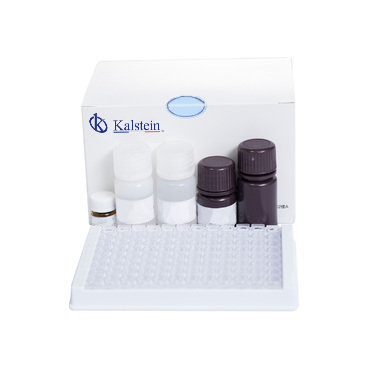
Clinical Chemistry Reagents: Common Mistakes and How to Avoid Them in Daily Operations 2026
Clinical chemistry reagents play a crucial role in laboratory diagnostics, enabling healthcare professionals to analyze biochemical compositions in various samples. In this article, we will explore the common mistakes associated with the use of clinical chemistry reagents, best practices for their application, and how to optimize their use in your laboratory environment in 2026.
What is it used for in 2026
In 2026, clinical chemistry reagents are primarily utilized for biochemical analysis related to liver function, myocardial enzyme indices, renal function, and blood gas electrolytes, among others. They are essential tools in both clinical diagnostics and research laboratories, providing reliable results that can inform patient care and scientific inquiry.
History and evolution of the technology
The technology of clinical chemistry reagents has evolved significantly over the decades. Initially, laboratory testing relied heavily on manual measurements and chemical reactions that required extensive expertise. Over time, the introduction of automated analyzers and advanced reagents has streamlined processes, improved accuracy, and reduced human error, revolutionizing how laboratories conduct biochemical analyses.
How to use it step by step
Using clinical chemistry reagents effectively involves a series of systematic steps:
- Preparation: Gather all necessary materials and reagents, ensuring they are within their expiration dates.
- Calibration: Calibrate the analyzer according to the manufacturer's specifications to ensure accurate measurements.
- Sample Collection: Collect samples using proper techniques to prevent contamination and ensure validity.
- Reagent Mixing: Follow the specific mixing instructions for each reagent to prepare them for use.
- Testing: Run the tests on the samples using the calibrated analyzer and prepared reagents.
- Result Interpretation: Analyze the results adhering to the reference ranges provided for each test.
- Documentation: Document all results and any deviations from standard procedures.
Best techniques and protocols
Implementing best techniques and protocols is essential for ensuring high-quality results. Some best practices include:
- Always use fresh reagents and check for signs of degradation.
- Maintain a sterile environment during sample collection and processing.
- Regularly calibrate and maintain equipment as per guidelines.
- Train laboratory personnel thoroughly on the correct procedures for using reagents.
- Implement a quality control program to routinely assess accuracy and precision of results.
Practical applications by laboratory type
Clinical chemistry reagents find applications across various laboratory types, including:
- Diagnostic Laboratories: Used extensively in routine tests such as liver function tests, renal profiles, and cardiac markers.
- Research Laboratories: Essential for biochemical research, enabling investigations into enzyme activities and metabolic pathways.
- Veterinary Laboratories: Applied in assessing biochemical parameters in animal health diagnostics.
Regulations, standards and certifications
Compliance with regulations and standards is critical for laboratories using clinical chemistry reagents. Key standards include:
- ISO 15189: Medical laboratories - Requirements for quality and competence.
- CLIA: Clinical Laboratory Improvement Amendments, ensuring quality laboratory testing.
- CAP: College of American Pathologists accreditation, promoting high standards in laboratory practices.
Comparison with alternative technologies
Compared to alternative technologies such as point-of-care testing devices, clinical chemistry reagents offer:
- Higher Throughput: Ideal for large volume testing in centralized laboratories.
- Accuracy: Provide more accurate results for complex biochemical analyses.
- Cost-Effectiveness: More economical for routine testing as they can be produced in bulk.
Comparison of available models
| Model | Best for | Key specs | Recommended use case |
|---|---|---|---|
| YRA1 | Liver Function Tests | 48mlx2, 12mlx2, 120ml | Analyzing ALT levels |
| YRA2 | Cardiac Marker Analysis | 48mlx2, 12mlx2, 120ml | Estimating AST levels |
| YRA3 | Enzyme Activity Testing | 48mlx2, 16mlx2, 128ml | Determining GGT levels |
| YRA4 | Albumin Testing | 20mlx8, 160ml | Assessing ALB levels |
| YRA5 | Bilirubin Measurement | 48mlx2, 12mlx2, 120ml | Measuring TBIL levels |
| YRA6 | Oxidative Stress Analysis | 48mlx2, 12mlx2, 120ml | Evaluating TBIL levels |
Common mistakes and how to avoid them
Common mistakes in the use of clinical chemistry reagents can lead to inaccurate results. Some frequent errors include:
- Improper Storage: Not adhering to storage conditions can degrade reagents. Always store reagents as recommended by the manufacturer.
- Inaccurate Dilution: Incorrect dilution ratios can impact test results. Follow the dilution protocols precisely.
- Cross-contamination: Failing to maintain a clean workspace can lead to contamination. Ensure all surfaces and equipment are sanitized.
- Lack of Calibration: Not calibrating equipment regularly can result in erroneous readings. Implement a strict calibration schedule.
Maintenance, calibration and good practices 2026
Regular maintenance and calibration are critical for the reliable operation of clinical chemistry reagents:
- Perform routine checks on equipment and reagents to ensure they are functioning correctly.
- Establish a maintenance log to track calibration and service intervals.
- Ensure that all laboratory personnel are trained in proper usage and maintenance protocols.
Cost-benefit analysis 2026
In 2026, conducting a cost-benefit analysis of clinical chemistry reagents is essential to ensure resource optimization:
- Consider the cost per test versus the accuracy and reliability of results.
- Evaluate the volume of tests performed to determine bulk purchasing benefits.
- Assess potential savings from reduced errors and re-testing due to high-quality reagents.
Frequently asked questions
What are the key factors to consider when choosing clinical chemistry reagents?
When selecting clinical chemistry reagents, consider factors such as the intended tests, reagent stability, expiration dates, and compatibility with existing laboratory equipment.
How often should clinical chemistry reagents be calibrated?
Reagents should be calibrated regularly, typically before each batch of tests, or as specified by the manufacturer to ensure accuracy in results.
What are the signs that reagents have degraded?
Signs of degraded reagents include inconsistent results, changes in color or appearance, and expiration date lapses. Always check reagents prior to use.
Can clinical chemistry reagents be used in point-of-care settings?
While many reagents are designed for laboratory use, some can be adapted for point-of-care settings; however, ensure they meet the necessary testing standards.
What precautions should be taken while handling clinical chemistry reagents?
Always wear appropriate personal protective equipment (PPE), follow safety protocols, and ensure proper ventilation when handling reagents to minimize exposure.
How can I ensure quality control in my laboratory?
Implement a quality control program that includes regular calibration, use of control samples, and routine audits of testing processes to maintain high standards.
If you are looking for a fusion of innovation and quality, you have come to the right place. At Kalstein, we offer you the luxury of exploring our exclusive catalog of laboratory equipment. We manufacture every device to the highest standards of excellence. Our intuitive and seamless online purchasing channels are designed for your convenience, securing the most competitive prices. Hesitate no longer — we bring science to life, it is time to become part of our community.