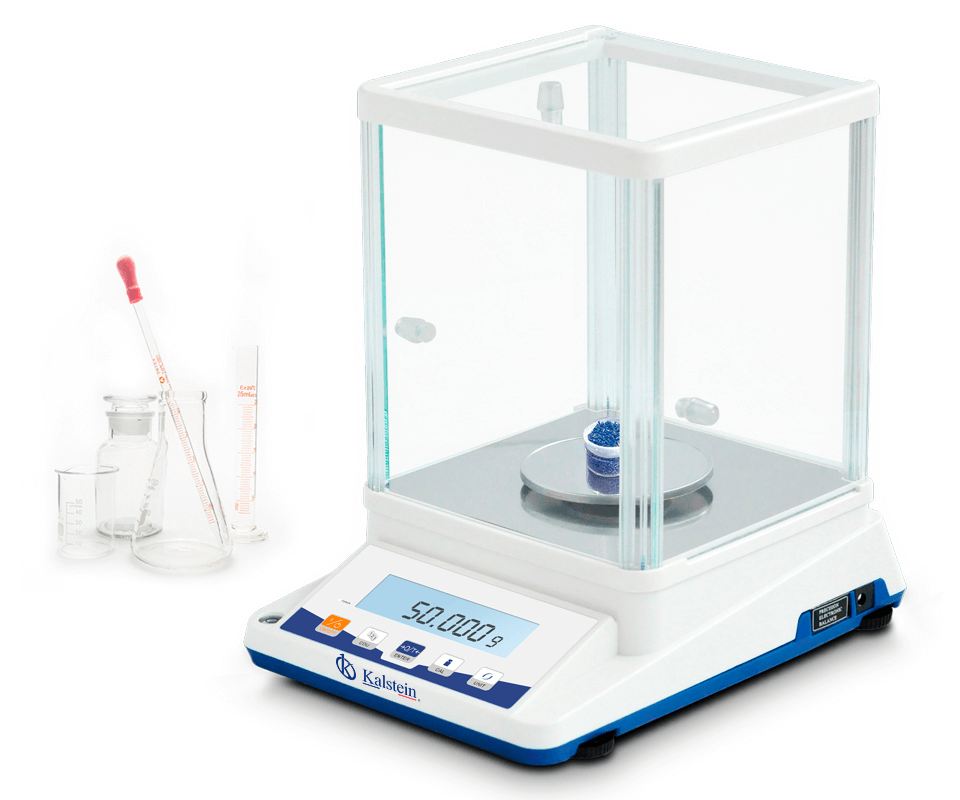
How to Choose Precision Balances with LIMS Integration for Data Digitalization?
In a laboratory setting, precision balances are essential for accurate measurements and data collection. The integration of these balances with Laboratory Information Management Systems (LIMS) enhances data management and streamlines workflows. This article delves into how to select precision balances that not only meet your accuracy requirements but also facilitate the digitalization of data in your laboratory.
Understanding the Importance of LIMS Integration
LIMS is a software-based solution that helps laboratories manage samples, associated data, and laboratory workflows efficiently. By integrating precision balances with a LIMS, laboratories can automate data entry, reduce manual errors, and improve traceability. This integration is particularly beneficial for compliance with standards like ISO 17025, as it ensures accurate data logging and reporting.
Key Features to Look for in Precision Balances
When selecting a precision balance for LIMS integration, consider the following features:
- Connectivity Options: Look for balances that support various connectivity protocols such as RS-232, USB, or Ethernet for seamless data transfer to the LIMS.
- Data Formats: Ensure the balance can output data in formats compatible with your LIMS, such as CSV or XML.
- Automatic Calibration: Precision balances with automatic calibration features can maintain accuracy over time, which is crucial for compliance.
- User-friendly Interfaces: Balances that are easy to use and configure can reduce training time for laboratory personnel.
Comparison of Available Models
| Model | Connectivity | Protocols Supported | Integration Effort | Best For |
|---|---|---|---|---|
| YR05584 | USB, RS-232 | ASTM, HL7 | Moderate | General Laboratory Use |
| YR05585 | USB, RS-232 | ASTM, HL7 | Moderate | Pharmaceutical Applications |
| YR05586 | USB, RS-232 | ASTM, HL7 | Moderate | Food Industry |
| YR05587 | USB, RS-232 | ASTM, HL7 | Low | Research Labs |
| YR05588 | USB, RS-232 | ASTM | Low | Education Labs |
| YR05589 | USB, RS-232 | ASTM | Low | Small Labs |
How Precision Balances Enhance Data Digitalization
Digitalization in laboratories requires not only accurate measurement instruments but also efficient data handling. Precision balances equipped with LIMS integration play a pivotal role in achieving this. By automatically transferring measurement data into the LIMS, laboratories minimize data entry time and reduce the risk of human error. This integration allows for real-time data analysis and reporting, which can significantly enhance laboratory productivity.
Considerations for Effective LIMS Integration
To effectively integrate precision balances with LIMS, laboratories should consider the following steps:
- Assessment of Laboratory Needs: Understand the specific requirements and workflows in your laboratory to choose the right balance model.
- Collaboration with IT and Vendors: Engage with your IT department and balance vendors to ensure compatibility and optimal setup.
- Training for Personnel: Proper training for laboratory staff on using the integrated system can lead to greater efficiency and fewer errors.
Common Mistakes and How to Avoid Them
When selecting precision balances with LIMS integration, laboratories often make mistakes that can hinder performance:
- Neglecting Compatibility: Failing to verify if the balance is compatible with the existing LIMS can lead to integration challenges. Always check for supported protocols and data formats.
- Ignoring User Training: Underestimating the importance of training can lead to improper use of the balance and integration system. Ensure all users are thoroughly trained.
- Overlooking Maintenance: Regular maintenance of precision balances is essential for accurate performance and effective integration with LIMS. Implement a maintenance schedule to avoid issues.
Frequently Asked Questions
What are the key features of a precision balance with LIMS integration?
Key features include connectivity options like USB and RS-232, support for protocols such as ASTM and HL7, and user-friendly interfaces. For example, the Precision Balance YR05584 offers various connectivity options and is suitable for general laboratory use.
How can LIMS integration improve laboratory workflows with precision balances?
LIMS integration automates data entry from precision balances, reducing manual errors and streamlining workflows. The Precision Balance YR05585, for instance, can connect to LIMS systems, allowing for rapid data transfer and real-time monitoring.
Which precision balance model is best for pharmaceutical applications?
For pharmaceutical applications, the Precision Balance YR05585 is ideal due to its robust features and compatibility with LIMS for accurate data handling, ensuring compliance with industry standards.
What protocols should a precision balance support for effective LIMS integration?
Effective LIMS integration requires precision balances to support protocols like ASTM and HL7. The Precision Balance YR05586 supports these protocols, making it suitable for food industry applications.
How does automatic calibration benefit the use of precision balances?
Automatic calibration ensures that precision balances maintain accuracy over time, reducing the risk of measurement errors. The Precision Balance YR05587 features this capability, making it reliable for research labs.
What are the common mistakes when integrating precision balances with LIMS?
Common mistakes include neglecting compatibility checks and inadequate user training. Ensuring that the Precision Balance models like YR05588 are compatible with your LIMS can prevent integration issues.
How does data digitalization affect laboratory compliance?
Data digitalization through LIMS integration helps laboratories maintain compliance with standards like ISO 17025 by providing accurate data management and traceability. Precision balances such as the YR05589 facilitate this process.
What training is necessary for using precision balances with LIMS?
Training should focus on understanding how to operate the precision balance, perform calibrations, and manage data transfer to LIMS. This can be particularly important for models like YR05584, ensuring efficient laboratory operations.
If you are looking for a fusion of innovation and quality, you have come to the right place. At Kalstein, we offer you the luxury of exploring our exclusive catalog of laboratory equipment. We manufacture every device to the highest standards of excellence. Our intuitive and seamless online purchasing channels are designed for your convenience, securing the most competitive prices. Hesitate no longer — we bring science to life, it is time to become part of our community.