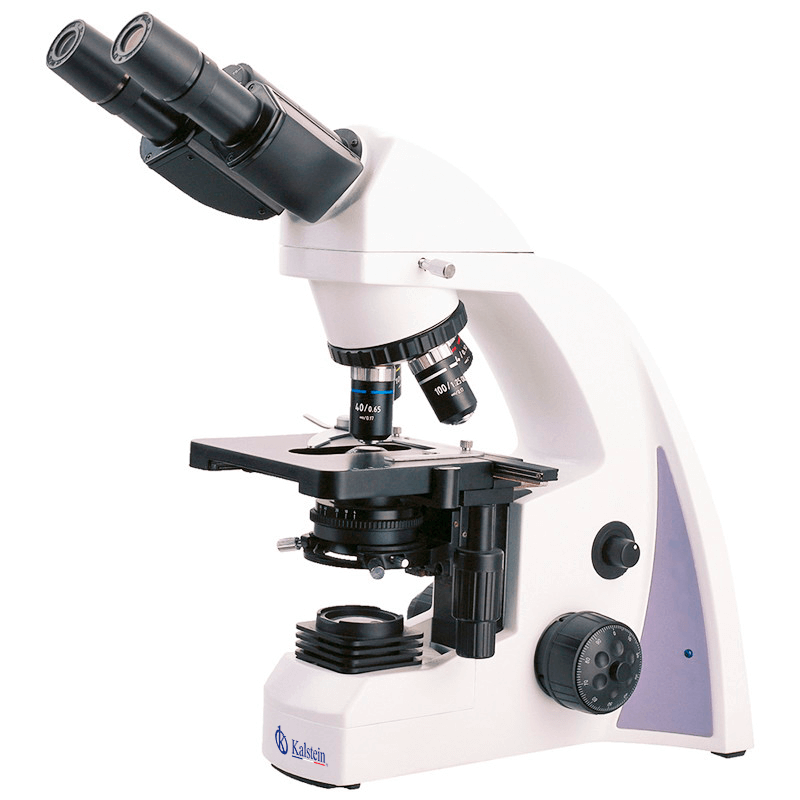
How to Choose Microscopes and Pipettes for University Research Projects
In the demanding field of university research, selecting the right laboratory equipment is crucial for achieving accurate and reproducible results. This article delves into the best practices for choosing microscopes and pipettes tailored for university research and academic projects.
Understanding the Role of Microscopes in Academic Research
Microscopes are fundamental in academic research, enabling scientists to observe specimens at a cellular or molecular level. They play a critical role in various fields such as biology, chemistry, and materials science. Key factors to consider when selecting a microscope include optical quality, illumination type, and ease of use. The right microscope can enhance learning experiences and facilitate groundbreaking discoveries.
Choosing the Right Pipettes for Research Projects
Pipettes are essential tools for accurate liquid handling in laboratory settings. They provide precision and reliability in experiments, impacting the overall quality of research findings. Various types of pipettes are available, including single-channel and multi-channel pipettes, each serving different applications in university research. The choice of pipette should depend on the volume of liquid to be handled and the specific requirements of the experiments being conducted.
Comparison of Available Models
| Model | Specifications | Best For |
|---|---|---|
| YR0237-0-1 | Binocular head, WF 10x/18 mm eyepieces, 4x-100x objectives | Cell biology studies |
| YR0237-1 | Binocular head, adjustable condenser, fine focus knob | Research in histology |
| YR0237-1-1 | Wide field eyepiece, mechanical stage, 4x-100x objectives | Advanced microscopy applications |
| YR03731-1 | 10 µl capacity, ±1.0% accuracy | Precision liquid handling |
| YR03731-2 | 20 µl capacity, ergonomic design | Routine lab work |
| YR03731-3 | 25 µl capacity, low operational force | High-throughput experiments |
Common Mistakes and How to Avoid Them
When selecting laboratory equipment, common mistakes include undervaluing the importance of quality optics in microscopes and purchasing pipettes without considering the desired volume range. It is essential to evaluate the specific needs of your research project and invest in equipment that ensures precision, reliability, and compatibility with your research protocols.
Key Features to Look for in Microscopes
When choosing microscopes for academic research, consider features such as magnification range, optical quality, and illumination type. Models like the YR0237-0-1 offer excellent optical clarity and a versatile magnification range, making them suitable for a variety of applications. Additionally, the adjustability of components can greatly enhance user experience and adaptability for different research needs.
Pipette Specifications and Their Impact on Research
Pipettes such as YR03731-1 are designed to provide specific accuracy and reproducibility crucial for experiments. Understanding the specifications—such as volume capacity and accuracy levels—enables researchers to choose pipettes that align with their experimental requirements. This attention to detail is vital in fields where precision affects outcomes, such as biochemistry and molecular biology.
Trends in Laboratory Equipment for Academic Research
Recent trends in laboratory equipment emphasize ergonomics and automation to improve efficiency in research settings. Pipettes are increasingly designed to minimize user fatigue while maximizing accuracy. Additionally, modern microscopes incorporate digital imaging capabilities, allowing for better data collection and analysis. Staying updated on these trends can lead to better equipment choices for academic institutions.
Choosing Equipment for Specific Research Scenarios
Different research scenarios may require different types of microscopes and pipettes. For instance, high-resolution imaging tasks may benefit from advanced models like the YR0237-1-1, while routine sample preparation may be efficiently handled with YR03731-2. Understanding the specific needs of your project can guide you in making informed decisions that enhance research outcomes.
Frequently Asked Questions
What are the essential features of a laboratory microscope for university research?
Essential features include optical quality, a wide range of magnification, and adjustable components. The YR0237-0-1 model offers a binocular head and multiple objective lens options suitable for various applications in university research.
How can pipette accuracy affect experimental results in academic projects?
Pipette accuracy is critical in experiments, as even slight deviations can lead to significant variations in results. The YR03731-1 pipette has an accuracy of ±1.0%, ensuring reliable liquid handling in research tasks.
Which microscope model is best for studying cellular structures?
The YR0237-1 provides superior optical clarity and allows for detailed observation of cellular structures, making it an excellent choice for studies in cell biology at academic institutions.
How do I select the right pipette for different volumes in research?
It is important to choose a pipette that matches the volume you frequently work with. For small volumes, the YR03731-1, with a capacity of 10 µl, is ideal, while the YR03731-2 offers a 20 µl capacity for slightly larger samples.
What ergonomic features should I look for in pipettes?
Look for designs that minimize strain, such as lightweight construction and easy-to-use push buttons. Models like the YR03731-3 are designed for low operational force, enhancing user comfort during extended use.
What maintenance practices are recommended for microscopes in a research setting?
Regular cleaning of lenses and ensuring proper storage conditions are recommended. Following the manufacturer’s guidelines, such as those for the YR0237 series, helps maintain optical performance and extends equipment lifespan.
How do I ensure compatibility between pipettes and laboratory consumables?
Always check the specifications of your pipettes against the consumables being used, such as tips. The YR03731 series is compatible with various lab consumables, ensuring flexibility in research applications.
What cost considerations should I keep in mind when selecting laboratory equipment?
Evaluate not just the upfront cost, but also long-term factors like maintenance and consumables. Investing in reliable models like the YR0237 microscopes may lead to better cost-efficiency in research over time.
If you are looking for a fusion of innovation and quality, you have come to the right place. At Kalstein, we offer you the luxury of exploring our exclusive catalog of laboratory equipment. We manufacture every device to the highest standards of excellence. Our intuitive and seamless online purchasing channels are designed for your convenience, securing the most competitive prices. Hesitate no longer — we bring science to life, it is time to become part of our community.