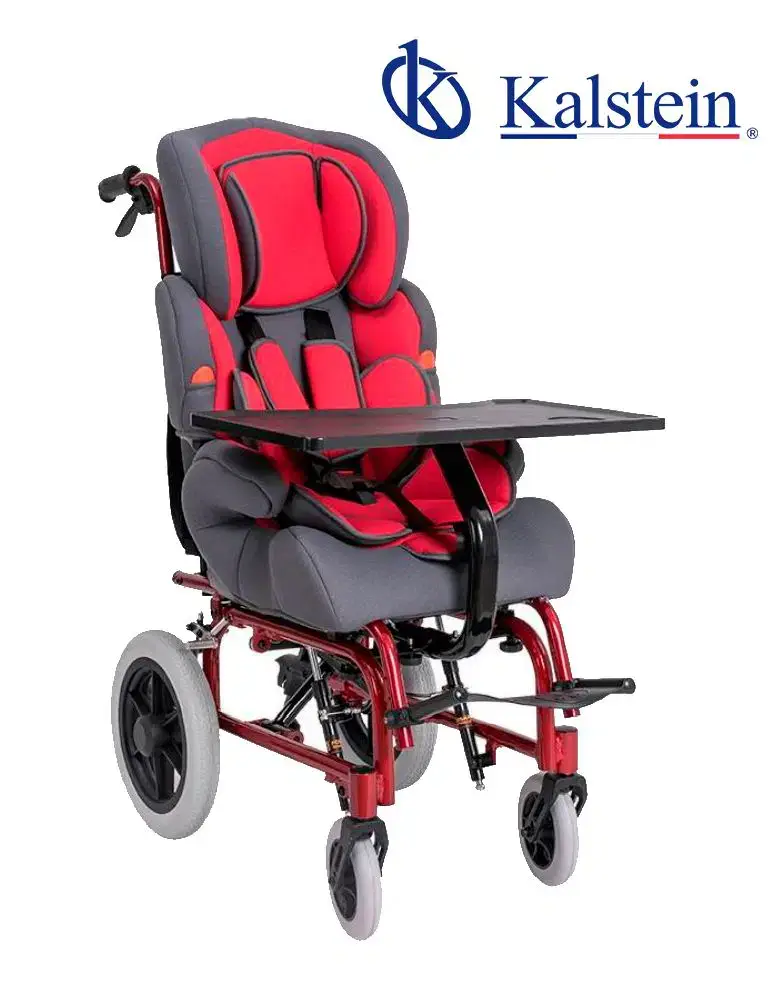
How to Choose the Right Children Wheelchair for Academic Research Projects
When embarking on academic research projects that involve children with mobility challenges, selecting the appropriate children wheelchair is crucial. This guide delves into the various models available, examining their features and suitability for research purposes. Understanding the specific needs of participants and how each wheelchair can facilitate usability in academic settings is essential to ensure that the devices being utilized meet the required standards.
Understanding the Importance of Wheelchair Selection in Research
Children wheelchairs are not only mobility aids but also tools that can impact the quality of data collected during research. The right wheelchair can enhance participation, ensuring that children can engage fully in studies without obstacles. This is particularly vital in research focusing on mobility, rehabilitation, and physical activity, as the wheelchair must accommodate various conditions and settings.
Comparison of Available Models
| Model | Seat Width (cm) | Weight Capacity (kg) | Adjustability Features | Best for |
|---|---|---|---|---|
| YR05459 | 30 | 75 | Adjustable backrest angle | General mobility research |
| YR05460 | 42 | 75 | Adjustable backrest and footrests | Research involving comfort and usability |
| YR05457 | 38 | 100 | Reclining backrest | Children with varying support needs |
| YR05458 | 38 | 100 | Adjustable angles | Flexible research settings |
| YR06611 | 34 | 75 | Reclining and adjustable | Specific needs for cerebral palsy research |
Key Considerations for Academic Research Projects
When selecting a children wheelchair for academic research, several factors come into play:
- Purpose of Research: Understand what the wheelchair will be used for in the context of your study.
- Comfort and Usability: Ensure that the wheelchair provides adequate support and comfort for prolonged use.
- Adaptability: Look for models that can be adjusted easily to cater to different children's needs.
- Safety Features: Assess the safety features to ensure they meet regulatory standards and provide peace of mind.
Common Mistakes and How to Avoid Them
Choosing the wrong wheelchair can hinder research quality. Here are some common pitfalls:
- Underestimating Adjustability: Failing to choose a wheelchair that adapts to changing needs can limit data accuracy and participant comfort.
- Neglecting Safety Regulations: Always check that the chosen wheelchair meets safety standards relevant to academic use.
- Ignoring Feedback: Involve potential users in the selection process to gather insights on comfort and usability.
Frequently Asked Questions
How do I select a children wheelchair model that is best for academic research?
Determining the right model involves assessing its features against the requirements of your study. For instance, model YR06611 is designed for children with cerebral palsy and offers adjustable recline, making it suitable for research focusing on specific mobility needs.
Which features should I prioritize in a children wheelchair for research projects?
Prioritize comfort, adjustability, and safety features. For example, the YR05460 model includes adjustable backrests and a folding design, ideal for accommodating different research environments.
What is the weight capacity for a standard children wheelchair used in research?
The weight capacity varies by model; for instance, the YR05457 can support up to 100 kg, making it suitable for a broader range of participants in academic studies.
How can I ensure the chosen children wheelchair meets safety standards?
Verify that the wheelchair complies with relevant safety regulations. The YR05458 features a solid aluminum frame and ABS protective plates, ensuring durability and safety for academic research use.
Are there specific wheelchairs for children with special needs in research settings?
Yes, models like YR06611 are tailored for children with special needs, offering additional support and adjustability to facilitate specific research focuses, especially in mobility studies.
How does the adjustability of a wheelchair impact research outcomes?
Adjustability enhances participant comfort and usability, leading to more accurate data collection. For instance, the YR05460 allows for various angles, crucial for studies requiring different positions.
What budget should I consider for acquiring a children wheelchair for research?
Budgeting varies based on model and features; for example, the YR05459 is priced at $424.00, presenting a mid-range option that balances functionality and cost for academic usage.
How can I facilitate multi-user scheduling with children wheelchairs?
Choosing lightweight and portable models like the YR05460 simplifies transport and setup across different research settings, making it easier to accommodate various users effectively.
If you are looking for a fusion of innovation and quality, you have come to the right place. At Kalstein, we offer you the luxury of exploring our exclusive catalog of laboratory equipment. We manufacture every device to the highest standards of excellence. Our intuitive and seamless online purchasing channels are designed for your convenience, securing the most competitive prices. Hesitate no longer — we bring science to life, it is time to become part of our community.