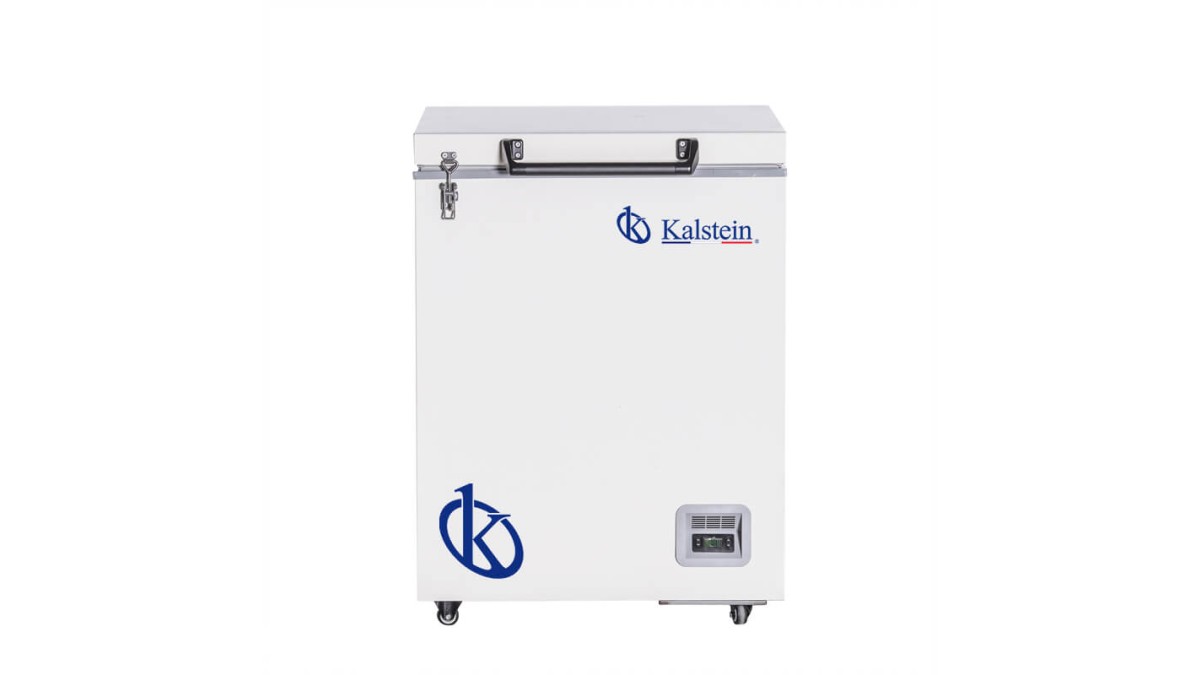
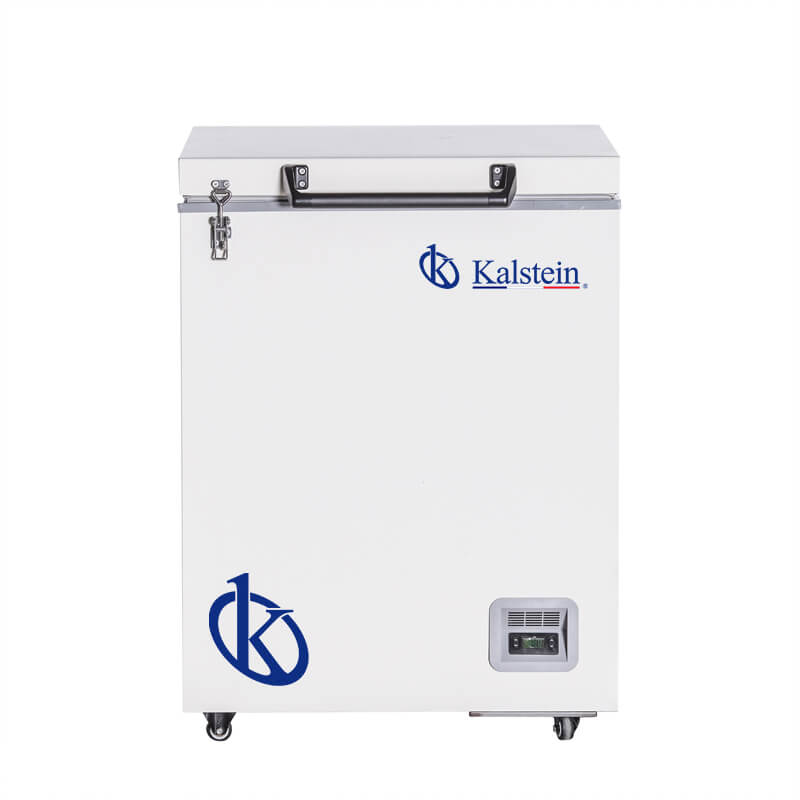
Chest Freezers: Best Practices and Techniques in 2026
What is it used for in 2026
In 2026, chest freezers have become essential in various laboratory environments, primarily for the storage of biological samples, vaccines, and other temperature-sensitive materials. They offer reliable temperature control, ensuring that samples are preserved under optimal conditions.
History and evolution of the technology
The development of chest freezers dates back to the early 20th century when the need for reliable freezing equipment in laboratories surfaced. Over the decades, advancements in refrigeration technology and materials have led to more efficient and environmentally friendly models. The introduction of microprocessor controls, enhanced insulation, and improved refrigerants have revolutionized chest freezers, making them indispensable in modern laboratories.
How to use it step by step
Using a chest freezer effectively requires following specific steps:
- Power On: Ensure the chest freezer is plugged in and powered on. Check the digital display for temperature settings.
- Set Temperature: Adjust the temperature using the microprocessor control panel to the desired settings, typically between -20°C to -86°C depending on stored items.
- Loading Samples: Organize samples in appropriate containers and place them inside the freezer. Avoid overcrowding for optimal airflow.
- Monitor Conditions: Regularly check temperature readings and alarm indicators for proper functioning.
- Implement Good Practices: Record temperature logs and regularly defrost the unit as needed to maintain efficiency.
Best techniques and protocols
To ensure the best outcomes when using chest freezers, adhere to the following protocols:
- Maintain the recommended temperature settings for each type of sample.
- Regularly inspect seals and gaskets to prevent air leaks.
- Implement a routine cleaning schedule to avoid contamination.
- Use high-quality, insulated containers for sample storage.
Practical applications by laboratory type
Different laboratories utilize chest freezers for various applications:
- Clinical Laboratories: For the storage of blood samples and vaccines.
- Research Laboratories: Storing biological specimens, enzymes, and reagents.
- Pharmaceutical Laboratories: Keeping sensitive drugs and compounds at stable temperatures.
Regulations, standards and certifications
Chest freezers must comply with various safety standards and regulations, such as:
- ISO 9001: For quality management systems.
- FDA Regulations: For equipment used in medical and pharmaceutical applications.
- CE Certification: Ensuring conformity with health and safety standards within the European Economic Area.
Comparison with alternative technologies
Compared to ultra-low temperature freezers, chest freezers offer less temperature control at lower costs but are more energy-efficient for general storage needs. Unlike conventional refrigeration units, chest freezers maintain lower temperatures for prolonged periods, which is crucial in laboratory settings.
Comparison of available models
| Model | Best for | Key specs | Recommended use case |
|---|---|---|---|
| YR05102 | General laboratory use | 1.65 kWh/23h, Noise: 50 dB | Sample storage under -40°C |
| YR05103 | Clinical applications | 1.68 kWh/23h, Noise: 52 dB | Storage of biological materials |
| YR05104 | Research laboratories | 3.45 kWh/23h, Noise: 55 dB | Long-term storage of specimens |
| YR05314 | Ultra-low temperature storage | 11.5 kWh/24h, Noise: 54.5 dB | Storage of sensitive biological samples |
| YR05313 | Small volume applications | 3.8 kWh/24h, Noise: 50 dB | Storage of small laboratory samples |
| YR05315 | Biomedical applications | 3.2 kWh/24h, Noise: 53 dB | Storage of vaccines and microbiological cultures |
Common mistakes and how to avoid them
Laboratory professionals should avoid these common mistakes:
- Improper temperature settings leading to sample degradation.
- Overloading the freezer, which can restrict airflow and affect cooling efficiency.
- Neglecting regular maintenance and monitoring of alarm systems.
Maintenance, calibration and good practices 2026
Proper maintenance involves:
- Regularly checking and calibrating temperature monitoring systems.
- Cleaning the interior and exterior surfaces routinely to prevent contamination.
- Ensuring that door seals are intact and functioning to maintain efficiency.
Cost-benefit analysis 2026
In 2026, the cost of chest freezers can be justified through their energy efficiency, reliability, and longevity. While initial investments may vary, the benefits of maintaining stable temperatures and safeguarding valuable samples make them a cost-effective choice for laboratories.
Frequently asked questions
What temperature should I set my chest freezer for storing biological samples?
For biological samples, it's recommended to set the chest freezer between -20°C to -80°C, depending on the specific requirements of the samples being stored.
How often should I defrost my chest freezer?
It's advisable to defrost your chest freezer at least once or twice a year, or when the frost buildup exceeds a quarter inch, to maintain optimal efficiency.
Can I store vaccines in a regular chest freezer?
It's not recommended to store vaccines in a standard chest freezer; instead, use a specialized ultra-low temperature freezer designed to maintain stable temperatures for vaccines.
What are the signs of malfunction in a chest freezer?
Signs of malfunction include unusual noise, fluctuating internal temperatures, and alarms indicating high or low temperature thresholds.
How should samples be organized in the chest freezer?
Samples should be organized in labeled, insulated containers to facilitate airflow and easy retrieval while avoiding overcrowding.
What maintenance should I perform on my chest freezer?
Regular maintenance includes checking seals, cleaning the interior, calibrating temperature monitors, and performing routine temperature logs.
Where can I get a quote for purchasing a chest freezer?
You can request a quote from your preferred laboratory equipment supplier or check with specialized providers in laboratory equipment.
If you are looking for a fusion of innovation and quality, you have come to the right place. At Kalstein, we offer you the luxury of exploring our exclusive catalog of laboratory equipment. We manufacture every device to the highest standards of excellence. Our intuitive and seamless online purchasing channels are designed for your convenience, securing the most competitive prices. Hesitate no longer — we bring science to life, it is time to become part of our community.