Chemiluminescence Reagents: Practical Usage Guide Step by Step 2026
What is it used for in 2026
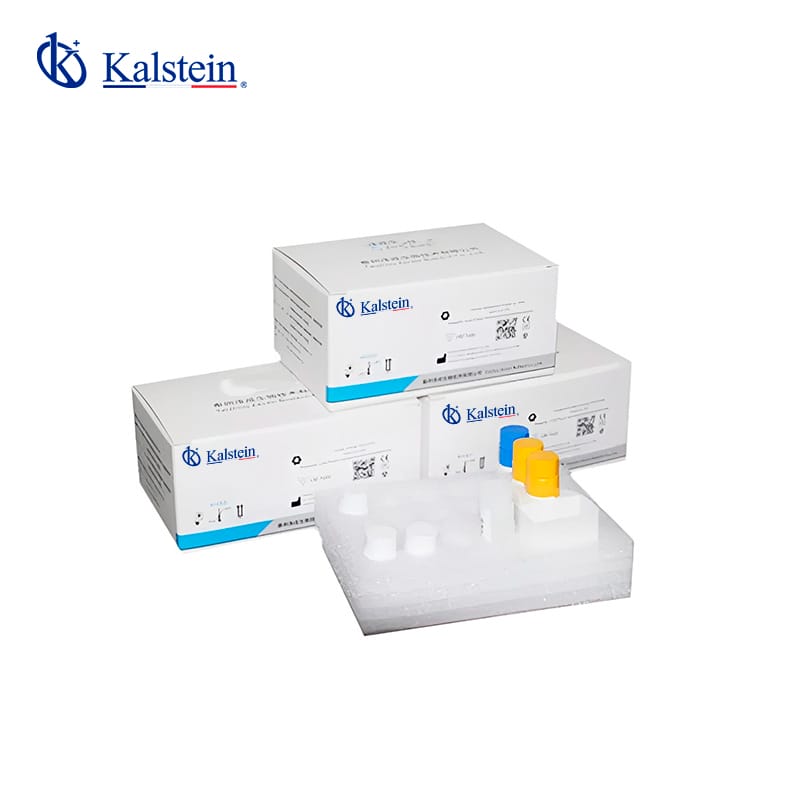
Chemiluminescence reagents are pivotal in modern laboratory diagnostics, enabling the detection of various biomarkers with high sensitivity and specificity. In 2026, these reagents are chiefly utilized for testing thyroid diseases, where they facilitate the measurement of thyroid hormones such as TSH, TT3, TT4, FT3, and FT4. The significance of these tests lies in their ability to assist healthcare providers in diagnosing thyroid dysfunctions and managing patient care effectively.
History and evolution of the technology
The use of chemiluminescence dates back to the early 20th century, but it became widely adopted in laboratory diagnostics during the 1980s. The advancement in technology has improved the sensitivity and accuracy of tests, leading to the development of various chemiluminescence reagents, particularly for endocrine disorders. The evolution of these reagents has been marked by the introduction of automation, enhancing throughput while minimizing human error.
How to use it step by step
Using chemiluminescence reagents requires a systematic approach for optimal results. Here is a step-by-step guide:
- Preparation: Gather all necessary materials, including the chemiluminescence reagent kit, pipettes, and sample collection tubes.
- Sample collection: Collect blood samples using standard venipuncture techniques.
- Sample processing: Centrifuge the samples to separate serum or plasma, which will be used for testing.
- Reagent preparation: Follow the manufacturer's instructions to prepare the chemiluminescence reagents.
- Assay setup: Use an automated immunoassay analyzer to mix the sample with the reagent, ensuring the proper reaction conditions.
- Data analysis: Analyze the results using the software provided with the analyzer, which will indicate the concentration of the tested hormones.
- Result interpretation: Consult reference ranges to interpret the results and communicate findings with healthcare providers.
Best techniques and protocols
In 2026, best practices for using chemiluminescence reagents include:
- Employing automated systems for accurate pipetting and mixing to reduce variability.
- Regular calibration of instruments according to manufacturers’ guidelines.
- Implementing quality control measures to validate the performance of assays.
Practical applications by laboratory type
Chemiluminescence reagents find applications across various laboratory types:
- Clinical laboratories: Primarily used for hormone level assessments in patients.
- Research laboratories: Employed in studying endocrine disorders and developing new diagnostic tests.
- Pharmaceutical laboratories: Used in drug development and monitoring therapeutic hormone levels.
Regulations, standards and certifications
In 2026, chemiluminescence reagents must comply with regulations set by bodies such as the FDA in the United States and CE marking in Europe. ISO certifications ensure that manufacturers follow quality management standards, which is critical for laboratory reagents to maintain reliability and accuracy.
Comparison with alternative technologies
While chemiluminescence is favored for its sensitivity, alternative technologies such as ELISA (Enzyme-Linked Immunosorbent Assay) and RIA (Radioimmunoassay) are still in use. Chemiluminescence offers quicker results and higher sensitivity compared to ELISA, making it a preferred choice in critical diagnostic scenarios.
Comparison of available models
| Model | Best for | Key specs | Recommended use case |
|---|---|---|---|
| YRA279 | Thyroid hormone assessment | Price: $15.00, Storage: 2-8°C | Diagnostic testing for thyroid dysfunction |
| YRA280 | Thyroid hormone assessment | Price: $15.00, Storage: 2-8°C | Diagnostic testing for thyroid dysfunction |
| YRA281 | Thyroid hormone assessment | Price: $15.00, Storage: 2-8°C | Diagnostic testing for thyroid dysfunction |
| YRA282 | Thyroid hormone assessment | Price: $15.00, Storage: 2-8°C | Diagnostic testing for thyroid dysfunction |
| YRA283 | Thyroid hormone assessment | Price: $15.00, Storage: 2-8°C | Diagnostic testing for thyroid dysfunction |
| YRA284 | Thyroid hormone assessment | Price: $35.00, Storage: 2-8°C | Diagnostic testing for thyroid dysfunction |
Common mistakes and how to avoid them
Common mistakes include improper sample handling, incorrect reagent preparation, and neglecting calibration procedures. To avoid these errors, laboratories should implement standardized protocols, provide training for personnel, and conduct regular audits to ensure compliance with best practices.
Maintenance, calibration and good practices 2026
Routine maintenance of equipment and reagents is crucial. Labs should establish a calibration schedule for all analyzers and ensure reagents are stored according to specifications. Good practices also involve regular training sessions for laboratory staff on the latest protocols and technologies.
Cost-benefit analysis 2026
While the initial investment in chemiluminescence reagents may be higher than alternative methods, the long-term benefits include reduced test times, lower operational costs due to higher throughput, and improved patient outcomes through timely diagnosis. This makes chemiluminescence a cost-effective choice for modern laboratories.
Frequently asked questions
What should I consider when choosing a chemiluminescence reagent?
When selecting a chemiluminescence reagent, consider factors such as assay sensitivity, specificity, compatibility with your analyzer, and the range of hormones it can measure.
How do I ensure proper calibration of my equipment?
Follow the manufacturer’s guidelines for calibration intervals and procedures. Regularly perform quality control checks to ensure accurate results.
Can I use different models of chemiluminescence reagents together?
It is generally not recommended to mix different models unless they are designed to work together. Always refer to manufacturer guidelines.
What are the best practices for sample storage?
Samples should be stored at the appropriate temperatures specified by the manufacturer, and processed within the recommended timeframe to ensure accurate results.
How frequently should quality control be performed?
Quality control should be conducted with every batch of tests and at regular intervals as per laboratory protocols to ensure ongoing accuracy and reliability.
What are the signs that my chemiluminescence reagents are no longer effective?
Signs include unexpected results, longer reaction times, and deviations from expected performance metrics, which may indicate that reagents are expired or improperly stored.
If you are looking for a fusion of innovation and quality, you have come to the right place. At Kalstein, we offer you the luxury of exploring our exclusive catalog of laboratory equipment. We manufacture every device to the highest standards of excellence. Our intuitive and seamless online purchasing channels are designed for your convenience, securing the most competitive prices. Hesitate no longer — we bring science to life, it is time to become part of our community.