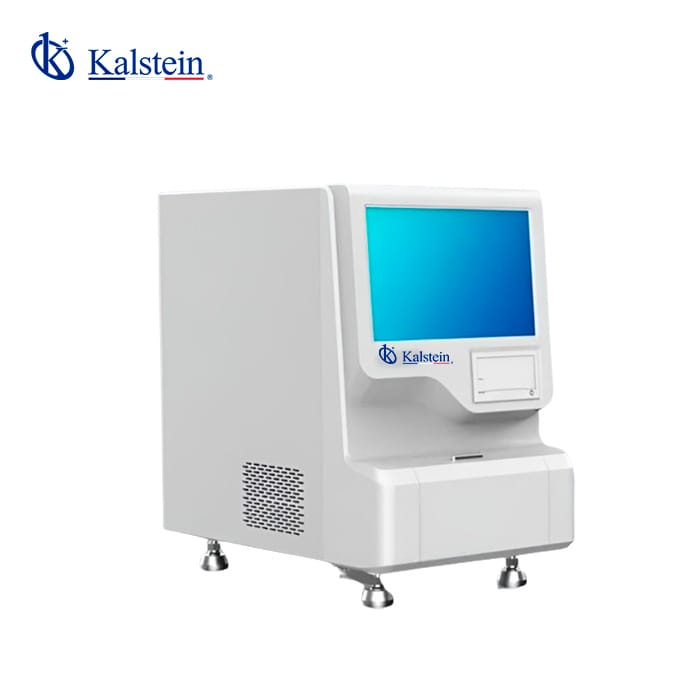
Chemiluminescence Immunoassay Analyzers in Academic Research: Maximizing Utility
Chemiluminescence immunoassay analyzers (CIAAs) play a pivotal role in modern academic research, particularly in the life sciences. These devices enhance the efficiency, accuracy, and versatility of experiments, making them invaluable in university laboratories. This article explores how CIAAs can be effectively utilized in university research projects, focusing on key features, applications, and comparisons among several models available in the market.
Understanding the Role of CIAAs in University Research
When conducting experiments, researchers require reliable and precise tools. CIAAs integrate advanced detection methodologies to quantify analytes in various biological samples, enabling scientists to conduct high-throughput analyses. The ability to obtain results rapidly and accurately is essential in academic settings, where time and resources are often limited. Furthermore, CIAAs support diverse applications, including clinical diagnostics, drug development, and biomarker discovery.
Key Features of Chemiluminescence Immunoassay Analyzers
Several features make CIAAs particularly suitable for academic research. These include high assay sensitivity, rapid turnaround times, and the capacity to analyze multiple samples concurrently. The adaptable nature of these devices allows for a wide range of sample types, including serum, plasma, and urine, which is crucial for various research contexts.
High Sensitivity and Specificity
The sensitivity of CIAAs makes them ideal for detecting low-abundance biomarkers, a common requirement in many academic studies. This sensitivity is achieved through chemiluminescent reaction mechanisms, which generate light proportional to the analyte concentration. For example, the YR06388 model demonstrates exceptional sensitivity and specificity, making it suitable for nuanced biological applications.
Rapid Turnaround Times
In academic research, the ability to obtain results quickly can significantly impact project timelines. With results available in as little as 15 minutes, models like YR06389 and YR06390 enable researchers to make timely decisions based on data, thereby enhancing productivity in laboratory settings.
Multiple Sample Types
The versatility of CIAAs allows researchers to work with various biological samples. This ensures that a wide range of experiments can be conducted without the need for extensive reconfiguration of the analyzer. The YR06387 model, for instance, accommodates multiple sample types, facilitating diverse research projects.
Applications of CIAAs in Academic Research
CIAAs find applications across various research disciplines, including clinical research, environmental science, and biochemistry. Their flexibility allows for integration into numerous experimental designs, enhancing the scope of research outputs. Here are some specific applications:
Clinical Research
In clinical research, CIAAs assist in the identification of biomarkers for diseases. Their high throughput capabilities allow for the screening of thousands of samples, which is vital for large-scale epidemiological studies. The YR06388, for instance, is particularly effective in clinical diagnostics, supporting the analysis of patient samples.
Biomarker Discovery
Many academic projects focus on discovering new biomarkers for various diseases. CIAAs are instrumental in these studies due to their precision and speed in analyzing samples. Researchers can quickly analyze multiple assays simultaneously, as demonstrated by the YR06390, which can process up to 220 tests per hour.
Drug Development
In drug development, CIAAs facilitate the testing of pharmacokinetics and pharmacodynamics. Their capabilities support high-throughput screening processes, enabling researchers to evaluate drug interactions and efficacy. Models such as the YR06389 are particularly beneficial in fast-paced research environments.
Comparison of Available Models
| Model | Sample Type | Speed (Tests/hour) | Key Features | Best For |
|---|---|---|---|---|
| YR06387 | Plasma, Serum, Urine | Variable | 8-channel flexibility | General Clinical Use |
| YR06388 | Plasma, Serum, Urine | 16-channel parallel testing | Dual independent chambers | Rapid Diagnostics |
| YR06389 | Plasma, Serum, Urine | 120 | Compact and efficient | Emergency and Routine Testing |
| YR06390 | Plasma, Serum | 220 | Multiple operational modes | High-Volume Laboratories |
| YR06710 | Whole Blood, Serum, Plasma | Variable | Compact design | Space-Limited Environments |
Common Mistakes and How to Avoid Them
When utilizing chemiluminescence immunoassay analyzers in academic research, there are common pitfalls that can be avoided with proper planning and understanding. Here are some frequent mistakes and tips to circumvent them:
Neglecting Calibration
One critical mistake is overlooking regular calibration of the analyzer. Consistent calibration ensures accurate results and compliance with research standards. Researchers should establish a routine calibration schedule for their models, such as YR06388, to maintain assay reliability.
Inadequate Training
Another common issue is insufficient training for laboratory personnel. It is essential to ensure that all team members are proficient in operating the CIAA, including understanding the nuances of different assay methodologies. Providing comprehensive training will maximize the utility of devices like the YR06389.
Ignoring Sample Quality
Using poor-quality samples can lead to erroneous results. Researchers must prioritize sample integrity and handling to ensure accurate assay outcomes. In studies involving the YR06387, clear guidelines for sample collection and storage should be established to uphold quality standards.
Frequently Asked Questions
What advantages do chemiluminescence immunoassay analyzers offer for academic research projects?
Chemiluminescence immunoassay analyzers, such as the YR06390, provide rapid results and high sensitivity, making them ideal for various university research projects. Their ability to handle multiple sample types enhances research flexibility, allowing for diverse experimental designs.
How can I ensure accurate results when using a chemiluminescence immunoassay analyzer?
To ensure accuracy, maintain regular calibration and training for laboratory personnel using devices like the YR06388. Implementing a strict sample handling protocol will also enhance result reliability, making the analyzer's output more trustworthy.
What is the processing speed of different chemiluminescence immunoassay analyzers?
The processing speed varies among models; for example, the YR06390 processes up to 220 tests per hour, while the YR06389 can handle 120 tests. This speed is crucial for academic labs that require high throughput for large-scale studies.
Which chemiluminescence immunoassay analyzer is best for clinical diagnostics in academic settings?
The YR06388 model is highly suitable for clinical diagnostics due to its dual independent chambers and 16-channel testing capabilities. This makes it efficient for rapid diagnostic testing needed in academic clinical research.
How do I choose the right chemiluminescence immunoassay analyzer for my research needs?
Consider factors such as sample types, required throughput, and assay sensitivity. Models like the YR06387 offer flexibility, while the YR06390 is suited for high-throughput needs, making the choice dependent on specific research goals.
What are the common applications of chemiluminescence immunoassay analyzers in academic research?
Chemiluminescence immunoassay analyzers are commonly used for clinical diagnostics, biomarker discovery, and drug development in academic settings. Models like the YR06389 excel in environments requiring rapid results and high sensitivity.
Can chemiluminescence immunoassay analyzers support various sample types?
Yes, models such as the YR06710 can analyze whole blood, serum, and plasma, making them versatile tools for different types of academic research. This flexibility is vital for addressing diverse experimental requirements.
What role does calibration play in using chemiluminescence immunoassay analyzers?
Calibration is crucial for ensuring accurate and reliable results from chemiluminescence immunoassay analyzers. Regular calibration schedules for devices like the YR06388 help maintain precision and compliance with research standards.
If you are looking for a fusion of innovation and quality, you have come to the right place. At Kalstein, we offer you the luxury of exploring our exclusive catalog of laboratory equipment. We manufacture every device to the highest standards of excellence. Our intuitive and seamless online purchasing channels are designed for your convenience, securing the most competitive prices. Hesitate no longer — we bring science to life, it is time to become part of our community.