Chemiluminescence Consumables: Practical Usage Guide for 2026
Chemiluminescence consumables play a vital role in laboratory diagnostics, especially in immunoassays. This guide will walk you through the practical applications, techniques, and best practices for using these consumables effectively in 2026.
What is it used for in 2026
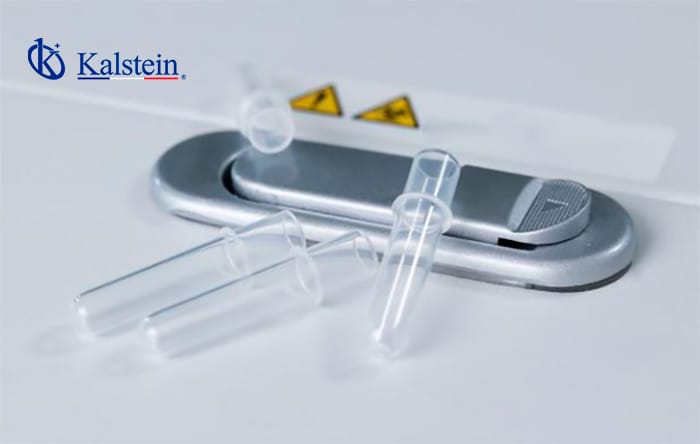
Chemiluminescence consumables are essential for conducting various immunoassay tests, which are widely used in clinical laboratories for diagnosing diseases. These consumables include reaction cuvettes, washing solutions, substrates, and testing strips, each serving a unique purpose in the testing process. The primary applications include:
- Quantitative detection of biomarkers for various diseases.
- Early pregnancy diagnosis through hormonal assessment.
- Monitoring therapeutic drug levels and disease progression.
- Providing reliable and reproducible results in clinical settings.
History and evolution of the technology
Chemiluminescence technology has evolved significantly since its inception. Initially, it was used in basic laboratory settings for research purposes. Over the years, advancements in reagents and detection methods transformed it into a robust tool for clinical diagnostics. Key milestones include:
- Introduction of sensitive detection techniques that increased assay accuracy.
- Development of various chemiluminescent substrates.
- Integration with automated systems for enhanced efficiency.
- Expansion of applications beyond traditional diagnostics to include drug monitoring and infectious disease testing.
How to use it step by step
Using chemiluminescence consumables involves several steps to ensure accurate results. Here’s a step-by-step guide:
- Preparation: Gather all necessary consumables such as reaction cuvettes, washing solutions, and substrates.
- Calibration: Ensure all equipment is calibrated according to manufacturer specifications.
- Sample Preparation: Prepare samples according to the assay protocol.
- Assay Setup: Load samples and reagents into the system following the specific assay instructions.
- Incubation: Allow the assay to incubate for the specified time to enable the reaction.
- Detection: Use the chemiluminescent detection system to measure the emitted light.
- Data Interpretation: Analyze results based on standard curves and thresholds.
Best techniques and protocols
Using best practices and established protocols is crucial for the reliability of chemiluminescence assays. Here are some recommended techniques:
- Always use fresh reagents and consumables to avoid degradation.
- Follow strict temperature control guidelines for storage and usage.
- Utilize quality control samples to validate assay performance.
- Document all procedures and results to facilitate troubleshooting and audits.
Practical applications by laboratory type
Chemiluminescence consumables find applications across different types of laboratories:
- Clinical Laboratories: Primarily used for diagnostic testing of hormones, enzymes, and infectious diseases.
- Research Laboratories: Used for biomarker discovery and validation in clinical and preclinical studies.
- Point of Care Testing (POCT): Rapid testing for conditions such as pregnancy and hormone levels, providing immediate results.
Regulations, standards and certifications
Compliance with regulations and standards is essential in using chemiluminescence consumables. Important considerations include:
- Ensure all consumables meet ISO standards and CE certifications.
- Follow good laboratory practices (GLP) for assay validation and documentation.
- Adhere to local regulations regarding laboratory safety and waste disposal.
Comparison with alternative technologies
Chemiluminescence is often compared with other diagnostic technologies, such as fluorescence and radioimmunoassays. Key differences include:
- Sensitivity: Chemiluminescence generally offers higher sensitivity than fluorescence methods.
- Safety: Chemiluminescence does not involve radioactive materials, making it safer for laboratory personnel.
- Cost: While initial costs may vary, chemiluminescence often provides a lower cost per test due to its efficiency.
Comparison of available models
| Model | Best for | Key specs | Recommended use case |
|---|---|---|---|
| YRA400 | Reaction cuvettes for CLIA analyzers | 1000 pieces/bag, CE certified, ISO13485 | General purpose immunoassays |
| YRA401 | System washing solution for clinical analyzers | 500 ml per bottle, 300 tests/bottle | Cleaning and maintaining assay integrity |
| YRA402 | Substrate for quantitative detection | 100 ml/bottle, stable under proper storage | Detecting ALP for various assays |
| YRA404 | POCT consumables for early pregnancy tests | 24 tests/box, magnetic microspheres included | Early diagnosis of pregnancy |
Common mistakes and how to avoid them
Several common mistakes can impact the accuracy of chemiluminescence assays:
- Improper storage of reagents can lead to degraded performance. Always store according to specifications.
- Neglecting calibration can result in inaccurate measurements; ensure regular calibration of equipment.
- Using expired consumables can compromise results; always check expiration dates before use.
Maintenance, calibration and good practices 2026
Regular maintenance and calibration are critical for the longevity and performance of chemiluminescence systems. Consider the following practices:
- Calibrate all detection systems before starting new tests.
- Clean all surfaces and equipment regularly to avoid contamination.
- Schedule routine checks and preventive maintenance for all laboratory equipment.
Cost-benefit analysis 2026
Evaluating the cost-benefit of chemiluminescence consumables involves considering both direct and indirect costs:
- Initial investment in consumables versus long-term savings from efficient testing.
- Potential revenue from expanded testing capabilities in clinical laboratories.
- Cost comparison with alternative testing methods, including maintenance and operational costs.
Frequently asked questions
What should I consider when choosing chemiluminescence consumables?
When selecting chemiluminescence consumables, consider factors such as assay compatibility, sensitivity requirements, and the volume of tests required.
How do I ensure the quality of my chemiluminescence tests?
Ensure your tests are done using fresh, certified consumables, and regularly calibrate your equipment to maintain assay accuracy.
Can I use chemiluminescence consumables for different types of assays?
Yes, many chemiluminescence consumables are versatile and can be used for various assays, but always check compatibility with specific testing protocols.
What are the best practices for storing chemiluminescence consumables?
Store consumables according to the manufacturer’s guidelines, typically in a cool, dry place away from direct sunlight.
How often should I calibrate my chemiluminescence equipment?
Calibration frequency depends on usage, but a best practice is to calibrate before each batch of tests or at least once a week in high-throughput settings.
Are there specific regulations I need to follow?
Yes, compliance with regulations such as ISO standards and local laboratory safety guidelines is crucial for operation.
Where can I request a quote for chemiluminescence consumables?
For quotes, you can reach out to our representatives who can provide detailed pricing and availability.
If you are looking for a fusion of innovation and quality, you have come to the right place. At Kalstein, we offer you the luxury of exploring our exclusive catalog of laboratory equipment. We manufacture every device to the highest standards of excellence. Our intuitive and seamless online purchasing channels are designed for your convenience, securing the most competitive prices. Hesitate no longer — we bring science to life, it is time to become part of our community.