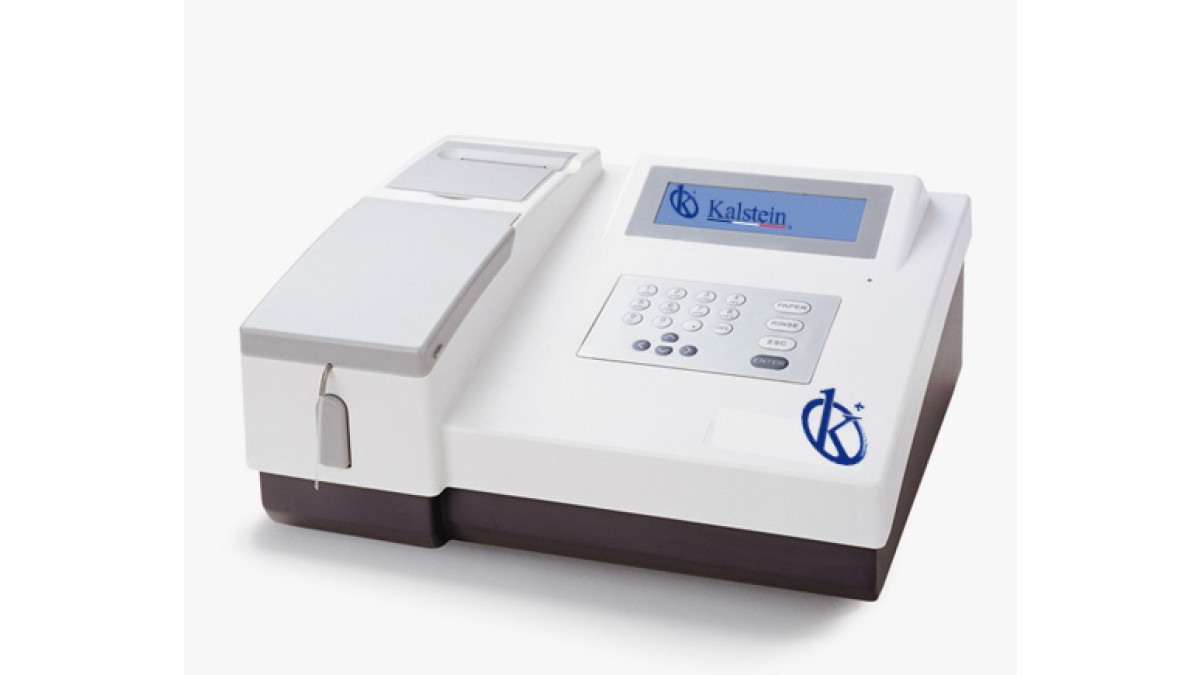
Chemical Analyzers: Applications in Research, Biotechnology and Academia 2026
What is it used for in 2026
Chemical analyzers are pivotal in laboratories across various fields, including research, biotechnology, and academia. These sophisticated devices are primarily used for analyzing chemical substances in samples, allowing for precise measurements of concentrations and compositions. In 2026, the applications of chemical analyzers have expanded significantly due to advancements in technology, which enable faster processing times, greater accuracy, and the ability to handle a wider variety of sample types.
History and evolution of the technology
The development of chemical analyzers can be traced back to the early 20th century when simple photometers first allowed scientists to measure light absorption in chemical solutions. Over the decades, technological advancements have led to the creation of more sophisticated devices, including semi-automatic and fully automatic analyzers. The evolution has been marked by improvements in user interfaces, sample handling capabilities, and data processing, making these tools indispensable in modern laboratories.
How to use it step by step
Utilizing a chemical analyzer effectively involves several critical steps:
- Preparation of Samples: Ensure all samples are properly prepared and compatible with the analyzer. This may include dilution or filtration.
- Calibration: Calibrate the analyzer according to the manufacturer's specifications to ensure accurate results.
- Loading Samples: Carefully load the samples into the analyzer, following the model's specific protocols regarding volume and positioning.
- Running the Analysis: Initiate the analysis process, selecting the appropriate test parameters based on the type of analysis required.
- Data Interpretation: After the analysis, interpret the data provided by the analyzer. Ensure to refer to standard values for comparison.
- Maintenance: After use, follow the maintenance protocols to ensure the longevity and reliability of the analyzer.
Best techniques and protocols
The best practices for using chemical analyzers in 2026 include:
- Utilizing standard operating procedures (SOPs) for consistency.
- Regular calibration and maintenance checks to ensure accuracy.
- Employing statistical tools for data validation and error checking.
- Using appropriate control samples to validate results.
Practical applications by laboratory type
Chemical analyzers find practical applications in various laboratory settings:
- Research Labs: Employed for chemical analysis in research projects, quality control, and method development.
- Biotechnology: Used for analyzing biochemical compounds and optimizing reactions.
- Clinical Labs: Essential for diagnostic testing, including liver function tests and lipid profiles.
- Academic Institutions: Used for educational purposes and training future laboratory professionals.
Regulations, standards and certifications
In 2026, laboratories using chemical analyzers must adhere to various regulations and standards such as ISO 15189 for medical laboratories and ISO/IEC 17025 for testing and calibration laboratories. Compliance ensures that the results produced are reliable, valid, and accepted internationally.
Comparison with alternative technologies
Compared to alternative chemical analysis technologies like chromatography and mass spectrometry, chemical analyzers are often more user-friendly and require less specialized training. They provide rapid results and are generally more cost-effective for routine testing, making them an ideal choice for many laboratories.
Comparison of available models
| Model | Best for | Key specs | Recommended use case |
|---|---|---|---|
| YR05115 | Semi-automatic analysis | 5-inch color LCD, 5 wavelengths, 80 tests, 10000 results memory | Routine liver function testing |
| YR05114 | Semi-automatic analysis | 5 wavelengths, 80 tests, touch screen, 10000 results memory | Routine biochemical analysis |
| YR06092 | Portable analysis | Temperature adjustable, compact size, digital LCD | Field work and small laboratories |
| YR06075 | Automatic analysis | 560 tests/hour, 12 wavelengths, automatic washing | High-demand laboratories |
| YR05116 | Semi-automatic analysis | Windows OS, continuous wavelength adjustment | Flexible laboratory environments |
| YR06078 | Semi-automatic analysis | 7 wavelengths, 10000 results capacity, RS-232 interface | Versatile testing applications |
Common mistakes and how to avoid them
Common mistakes in using chemical analyzers include:
- Inadequate sample preparation — ensure samples are properly prepared to avoid erroneous results.
- Neglecting calibration — regular calibration is crucial for maintaining accuracy.
- Improper loading of samples — follow the guidelines for sample loading to avoid contamination.
Maintenance, calibration and good practices 2026
To maintain a chemical analyzer in 2026, users should follow a strict maintenance schedule which includes:
- Regular cleaning of the optical components.
- Frequent calibration checks using known standards.
- Software updates to enhance features and performance.
Cost-benefit analysis 2026
The cost-benefit analysis of chemical analyzers in 2026 shows that while initial investments can be significant, the efficiency gains, speed of analysis, and accuracy tend to yield a high return on investment. Their versatility across various applications further enhances their value in laboratory environments.
Frequently asked questions
What factors should I consider when choosing a chemical analyzer?
When selecting a chemical analyzer, consider factors such as the types of tests you need to conduct, the volume of samples processed, ease of use, and available support from the manufacturer.
How often should I calibrate my chemical analyzer?
It is recommended to calibrate your chemical analyzer before each use or at least once a week to ensure reliable results.
Can I use different reagents with my chemical analyzer?
Yes, many chemical analyzers offer compatibility with a range of reagents, but it’s essential to consult the manufacturer's guidelines to avoid damaging the equipment.
How can I ensure the accuracy of my results?
To ensure accuracy, follow standard operating procedures, use control samples, and regularly maintain and calibrate your analyzer.
What are the common troubleshooting steps for chemical analyzers?
Common troubleshooting steps include checking for proper sample loading, ensuring the analyzer is calibrated, and inspecting for contamination in optical components.
If you are looking for a fusion of innovation and quality, you have come to the right place. At Kalstein, we offer you the luxury of exploring our exclusive catalog of laboratory equipment. We manufacture every device to the highest standards of excellence. Our intuitive and seamless online purchasing channels are designed for your convenience, securing the most competitive prices. Hesitate no longer — we bring science to life, it is time to become part of our community.