Car Refractometers: Practical Applications and Techniques 2026
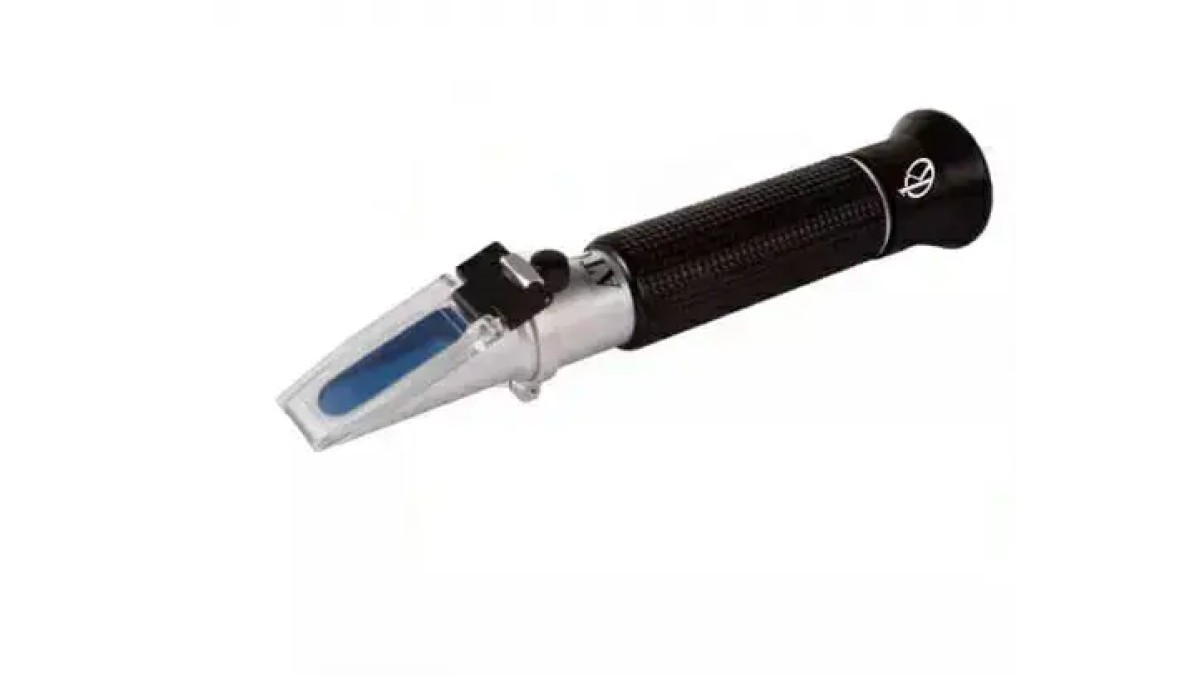
In the ever-evolving landscape of laboratory technology, car refractometers stand out as essential tools for assessing fluid properties, particularly antifreeze solutions and windshield washer fluids. This article delves into the practical applications, best practices, and techniques associated with car refractometers in 2026.
What is it used for in 2026
In 2026, car refractometers are primarily utilized in automotive and chemical laboratories to measure the refractive index of fluids. This measurement is crucial for determining the concentration of ethylene glycol or propylene glycol in antifreeze solutions. Additionally, they are used to assess the freezing point of windshield washer fluid, ensuring optimal performance under various weather conditions. The advanced Automatic Temperature Compensation (ATC) feature in modern models eliminates temperature discrepancies, making these devices reliable and user-friendly.
History and evolution of the technology
The evolution of refractometry dates back to the 19th century, where early refractometers provided basic functionality without temperature compensation. Over the years, advancements have included the integration of ATC, allowing for precise measurements across a range of temperatures. The shift towards digital displays and user-friendly interfaces in recent models has further enhanced usability, catering to the needs of modern laboratories.
How to use it step by step
Using a car refractometer involves several straightforward steps:
- Preparation: Ensure the refractometer is clean and calibrated. If necessary, the device should be calibrated using distilled water.
- Sample Collection: Collect a small sample of the fluid to be tested, ensuring no contaminants are introduced.
- Placement: Place a few drops of the sample on the prism of the refractometer.
- Close the cover: Gently close the cover to spread the sample evenly across the prism.
- Reading the Measurement: Look through the eyepiece and read the measurement indicated by the scale, noting the refractive index or concentration level.
- Clean Up: After use, clean the prism with distilled water and dry it with a soft cloth.
Best techniques and protocols
To maximize accuracy and reliability when using car refractometers, follow these best practices:
- Always calibrate the refractometer before use to ensure readings are accurate.
- Use distilled water for calibration to eliminate impurities that could skew results.
- Keep the refractometer clean to prevent cross-contamination between samples.
- Perform multiple readings and use the average for a more precise measurement.
Practical applications by laboratory type
Car refractometers find applications across various laboratory environments:
- Automotive Laboratories: Used for testing the concentration of antifreeze solutions to ensure vehicle reliability in extreme weather conditions.
- Chemical Laboratories: Employed in the formulation and quality control of chemicals requiring specific concentration metrics.
- Educational Institutions: Utilized in teaching labs to demonstrate principles of refractometry and fluid dynamics.
Regulations, standards and certifications
In 2026, car refractometers must comply with international standards for laboratory equipment, including ISO and ASTM standards. Ensuring that refractometers are certified for accuracy and reliability is essential for laboratory operations, particularly in industries that prioritize safety and quality control.
Comparison with alternative technologies
While car refractometers are widely used, alternative technologies include:
- Digital Density Meters: These provide similar information but measure density rather than refractive index.
- Thermometers: Essential for ensuring temperature is controlled during testing but do not provide information on fluid concentration.
Car refractometers remain favored for their simplicity and direct measurement of fluid properties, particularly in automotive applications.
Comparison of available models
| Model | Best for | Key specs | Recommended use case |
|---|---|---|---|
| YR05916 | Antifreeze concentration | Measurement range: E:-60°C--0°C P:-50°C-0°C B:1.100-1.400sg; ATC: Yes | Testing ethylene glycol concentrations in vehicle systems |
| YR05917 | Antifreeze and windshield washer fluids | Measurement range: E:-60°C--0°C P:-50°C-0°C B:1.100-1.400sg; ATC: Yes | Quality control testing for automotive applications |
| YR05918 | Windshield washer fluid freezing point | Measurement range: E:-60°F-32°F P:-50°F-32°F B:1.15-1.30sg; ATC: Yes | Assessing washer fluid performance in cold climates |
| YR05919 | General antifreeze testing | Measurement range: E:-60°C--0°C P:-50°C-0°C B:1.100-1.400sg; ATC: Yes | Routine maintenance checks in automotive workshops |
| YR05920 | Automotive cooling system checks | Measurement range: E:-60°C--0°C P:-50°C-0°C B:1.100-1.400sg; ATC: Yes | Evaluating antifreeze effectiveness during service |
| YR05921 | Concentration measurement of various fluids | Measurement range: E:-60°C--0°C P:-50°C-0°C B:1.100-1.400sg; ATC: Yes | Testing different antifreeze and coolant solutions |
Common mistakes and how to avoid them
Laboratory professionals often encounter pitfalls when using car refractometers. Common mistakes include:
- Improper Calibration: Always calibrate before use to ensure accuracy.
- Using Contaminated Samples: Ensure samples are free from contaminants for reliable results.
- Ignoring Temperature Effects: Utilize the ATC feature to maintain measurement accuracy.
Maintenance, calibration and good practices 2026
Regular maintenance is crucial for the longevity and accuracy of car refractometers. Recommended practices include:
- Calibrate monthly or before critical measurements to maintain accuracy.
- Store in a protective case to avoid physical damage.
- Wipe the prism with a soft cloth after each use to prevent residue buildup.
Cost-benefit analysis 2026
Investing in a car refractometer offers significant benefits, including:
- Cost Efficiency: Accurate measurements reduce waste and improve fluid management.
- Time Savings: Quick and reliable results enhance laboratory workflow.
- Improved Safety: Ensuring proper fluid concentrations helps avoid mechanical failures.
These advantages make refractometers a valuable asset for any laboratory focused on automotive fluids.
Frequently asked questions
What is the best way to calibrate a car refractometer?
The best way to calibrate a car refractometer is to use distilled water at 20°C. Place a drop of distilled water on the prism and adjust the calibration screw until the display reads zero.
How often should I clean my refractometer?
You should clean your refractometer after each use to prevent cross-contamination and ensure accurate readings. Use distilled water and a soft, lint-free cloth.
Can I use a car refractometer for other types of fluids?
Yes, car refractometers can be used for a variety of fluids, including windshield washer fluids and other antifreeze types, as long as the expected refractive index falls within the device's range.
What temperature range do car refractometers operate in?
Most car refractometers function effectively within a temperature range of 0-30°C, with automatic temperature compensation assisting in maintaining accuracy.
How do I know if my refractometer is accurate?
You can check the accuracy of your refractometer by calibrating it with a known standard, such as distilled water, and comparing the reading to the expected value.
What are the signs that my refractometer needs maintenance?
Signs that your refractometer may require maintenance include consistently inaccurate readings, physical damage, or visible residue on the prism.
Where can I find car refractometers for purchase?
You can find car refractometers available for purchase through specialized laboratory equipment suppliers or directly through manufacturers' websites. It's advisable to compare features and prices to find the best fit for your needs.
If you are looking for a fusion of innovation and quality, you have come to the right place. At Kalstein, we offer you the luxury of exploring our exclusive catalog of laboratory equipment. We manufacture every device to the highest standards of excellence. Our intuitive and seamless online purchasing channels are designed for your convenience, securing the most competitive prices. Hesitate no longer — we bring science to life, it is time to become part of our community.