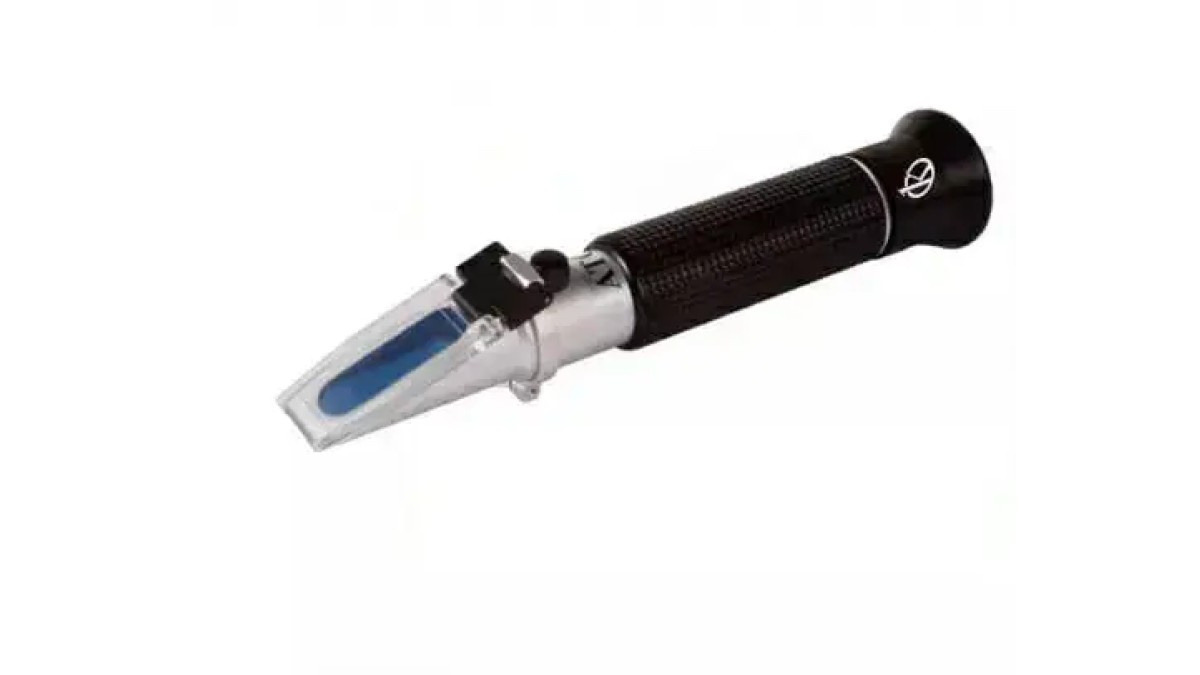
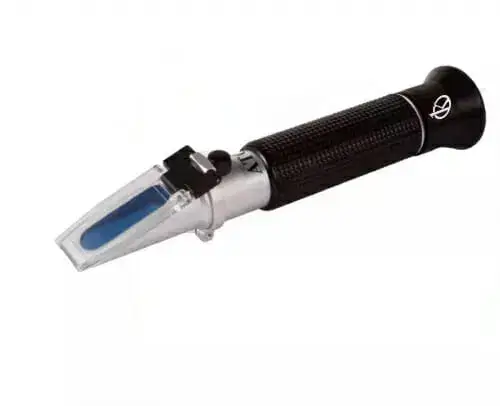
Brix Refractometers: Practical Applications and Techniques 2026
Brix refractometers play a crucial role in various laboratory settings, especially in the agricultural and food industries. By measuring the sugar content in liquids, they provide valuable insights for viticulturists, brewers, and food producers. This guide will walk you through the applications, techniques, and best practices for utilizing Brix refractometers effectively in 2026.
What is it used for in 2026
Brix refractometers are essential tools for measuring the concentration of sucrose in fruit juices and other liquids. They serve various purposes:
- Determining optimal harvest times for fruits and vegetables.
- Monitoring fermentation processes in breweries and wineries.
- Assessing the quality of fruit juices and sweeteners in food production.
- Ensuring quality control in the beverage industry.
History and evolution of the technology
The refractometer was first developed in the late 19th century. Initially, it was a simple optical device designed to measure the refractive index of a liquid. Over the decades, advancements in technology led to the creation of more accurate and user-friendly models. Today, Brix refractometers are equipped with automatic temperature compensation (ATC), making them indispensable in modern laboratories.
How to use it step by step
Using a Brix refractometer involves simple steps:
- Calibrate the refractometer using distilled water to ensure accuracy.
- Place a few drops of the liquid sample on the prism.
- Close the cover plate gently to avoid air bubbles.
- Look through the eyepiece and read the Brix value from the scale.
- Record the measurement and clean the prism after use.
Best techniques and protocols
To achieve accurate results, follow these best practices:
- Ensure the refractometer is calibrated regularly.
- Use a consistent temperature when measuring samples.
- Clean the prism properly after each use to avoid contamination.
- Perform multiple readings and take the average for accuracy.
Practical applications by laboratory type
Brix refractometers are used in various types of laboratories:
- Agricultural laboratories: Determine optimal harvest time and sugar content.
- Brewery laboratories: Monitor fermentation stages and sugar levels in wort.
- Food production laboratories: Ensure quality control and assess syrup concentrations.
Regulations, standards and certifications
Laboratories using Brix refractometers need to comply with several regulations, including:
- ISO 9001 for quality management systems.
- Good Laboratory Practice (GLP) guidelines.
- Food safety standards such as HACCP.
Comparison with alternative technologies
While Brix refractometers are popular, alternative technologies exist:
- Hydrometers: Useful for measuring specific gravity but less direct than refractometers.
- Density meters: Provide similar information but involve more complex setups.
Comparison of available models
| Model | Best for | Key specs | Recommended use case |
|---|---|---|---|
| YR05872 | 0-5% Brix | Measurement range: 0-5% Brix, Accuracy: ± 0.10% Brix | Ideal for testing low sugar content in fruits. |
| YR05873 | 0-10% Brix | Measurement range: 0-10% Brix, Accuracy: ± 0.10% Brix | Useful for vegetables and low-sugar liquids. |
| YR05874 | 0-18% Brix | Measurement range: 0-18% Brix, Accuracy: ± 0.10% Brix | Great for various fruits with moderate sugar content. |
| YR05875 | 0-20% Brix | Measurement range: 0-20% Brix, Accuracy: ± 0.10% Brix | Applicable in breweries for measuring wort. |
| YR05876 | 0-32% Brix | Measurement range: 0-32% Brix, Accuracy: ± 0.10% Brix | Perfect for high sugar liquids like syrups. |
| YR05877 | General use | Measurement range: 0-10% Brix, Accuracy: ± 0.10% Brix | Versatile for various laboratory needs. |
Common mistakes and how to avoid them
Some common mistakes include:
- Improper calibration: Always calibrate with distilled water before use.
- Ignoring temperature effects: Use ATC features or measure at the specified temperature.
- Poor cleaning practices: Clean the prism thoroughly to prevent sample contamination.
Maintenance, calibration and good practices 2026
Regular maintenance is essential for accurate readings:
- Calibrate before each measurement session.
- Store in a protective case to avoid damage.
- Inspect for signs of wear and replace parts as needed.
Cost-benefit analysis 2026
Investing in a Brix refractometer can lead to significant benefits:
- Efficiency: Quick measurements lead to faster decision-making.
- Quality control: Maintaining consistent product quality can reduce waste.
- Cost-effective: Preventing poor harvests or fermentation errors saves money in the long run.
Frequently asked questions
How do I choose the right Brix refractometer for my needs?
Consider the sugar concentration range you will be measuring, as different models cater to specific ranges. Also, assess whether you need features like automatic temperature compensation.
Can I use a Brix refractometer for other liquids besides fruit juices?
Yes, Brix refractometers can measure sugar content in various liquids, including syrups, honey, and some beverages. Ensure the liquid is compatible with the refractometer's specifications.
What is the significance of temperature in Brix measurements?
Temperature affects the density of liquids, which can lead to inaccuracies. Automatic temperature compensation ensures accurate readings across different temperatures.
How often should I calibrate my refractometer?
Calibrate your refractometer before each measurement session, especially if it has been stored for a while or used under different conditions.
What are the common maintenance practices for Brix refractometers?
Regular cleaning of the prism, proper calibration, and storing in a protective case are key maintenance practices to ensure longevity and accuracy.
Can Brix refractometers be used in home brewing?
Absolutely! Home brewers use Brix refractometers to monitor sugar levels in the wort, ensuring optimal fermentation and beer quality.
Where can I request a quote for a Brix refractometer?
You can request a quote through our online platform for a seamless purchasing experience of Brix refractometers tailored to your laboratory needs.
If you are looking for a fusion of innovation and quality, you have come to the right place. At Kalstein, we offer you the luxury of exploring our exclusive catalog of laboratory equipment. We manufacture every device to the highest standards of excellence. Our intuitive and seamless online purchasing channels are designed for your convenience, securing the most competitive prices. Hesitate no longer — we bring science to life, it is time to become part of our community.