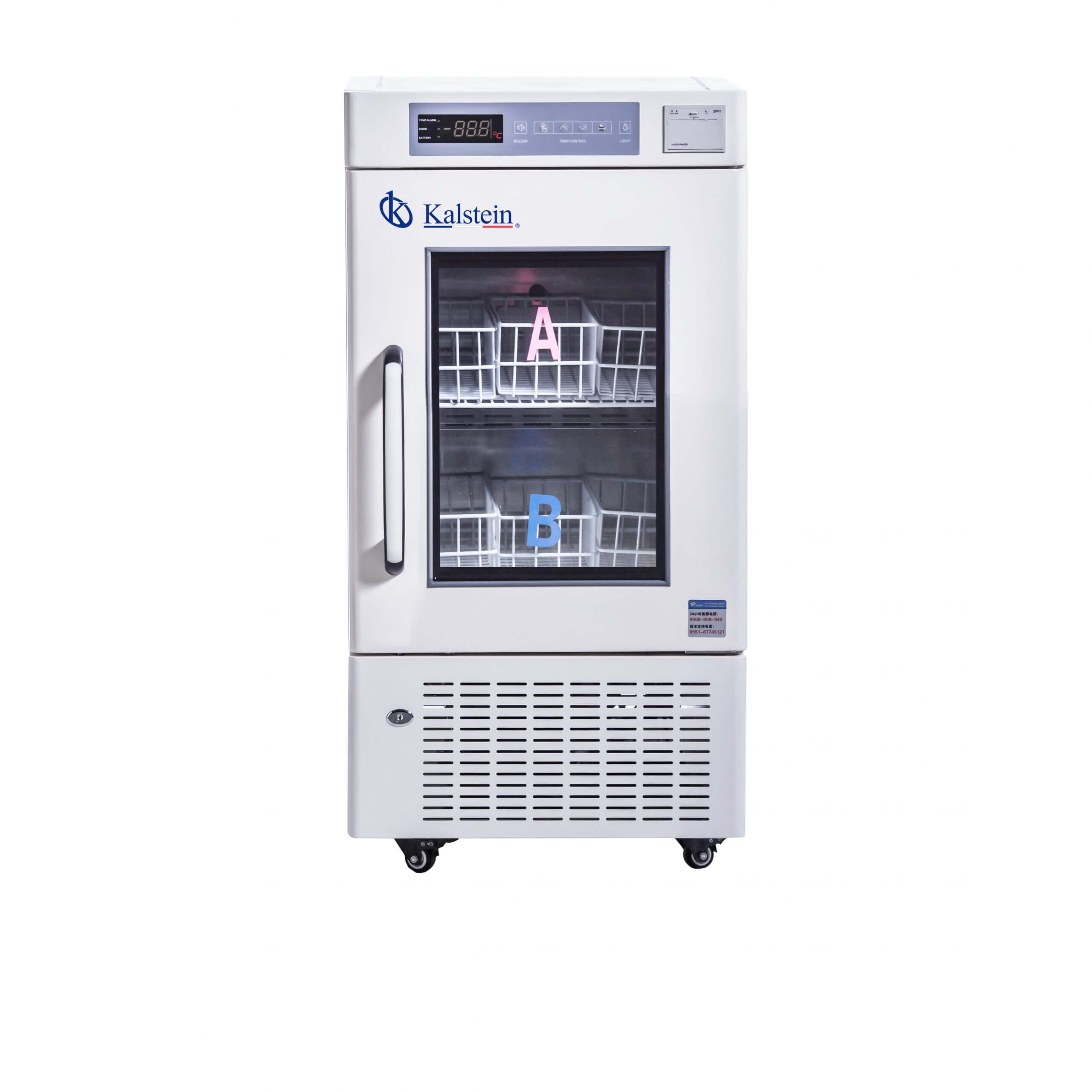
Blood Bank Refrigerators: Practical Applications and Techniques 2026
Blood bank refrigerators are crucial for the storage of blood products, ensuring they remain viable and safe for transfusion. This guide aims to provide laboratory professionals with a thorough understanding of how to use these essential devices in 2026, along with best practices and workflows tailored for various laboratory environments.
What is it used for in 2026
In 2026, blood bank refrigerators play a vital role in healthcare settings, particularly in blood banks, hospitals, and research facilities. Their primary function is to store blood and blood products at optimal temperatures, typically between 2°C and 6°C, preventing spoilage and maintaining the integrity of these critical resources. Furthermore, they are utilized for storing biological products, vaccines, and certain medications that require controlled temperatures.
History and evolution of the technology
The evolution of blood bank refrigerators traces back to the early 20th century when rudimentary cooling methods were employed. As the demand for safe blood transfusions increased, advancements were made in refrigeration technology, leading to more reliable and energy-efficient models. The introduction of microprocessor-controlled systems in recent years has further enhanced temperature accuracy and monitoring, providing alarms for temperature deviations and ensuring compliance with stringent healthcare regulations.
How to use it step by step
- Setup: Position the blood bank refrigerator in a temperature-controlled environment, away from direct sunlight or heat sources.
- Temperature Calibration: Before use, calibrate the device according to the manufacturer’s guidelines, ensuring it operates within the specified range of 2°C to 6°C.
- Loading Samples: Place blood bags and products in designated shelves, ensuring proper air circulation. Avoid overloading to maintain efficiency.
- Monitoring: Regularly check the digital temperature display. Record the temperatures at specified intervals to ensure compliance.
- Maintenance: Follow a routine maintenance plan, including cleaning the interior, checking seals, and inspecting the cooling system for optimal performance.
Best techniques and protocols
To ensure the longevity and efficiency of blood bank refrigerators, it is essential to adopt best practices such as:
- Conducting regular temperature checks and maintenance schedules.
- Utilizing backup power systems to prevent temperature fluctuations during power outages.
- Implementing an inventory management system to track blood products and expiration dates.
- Training staff on proper loading techniques and emergency protocols.
Practical applications by laboratory type
Blood bank refrigerators are utilized across various laboratory settings, including:
- Blood Banks: Storing and managing blood donations and components for transfusion.
- Hospitals: Keeping emergency blood supplies readily available for surgical and trauma patients.
- Research Facilities: Storing biological samples and reagents that require precise temperature control.
Regulations, standards and certifications
Blood bank refrigerators must comply with various regulations and standards, including:
- FDA regulations for medical devices.
- AABB standards for blood banks.
- ISO standards for quality management systems.
Comparison with alternative technologies
While blood bank refrigerators are vital, alternative technologies like cryogenic freezers and plasma freezers also exist. These alternatives often store blood components at significantly lower temperatures and are suitable for long-term preservation. However, for standard blood storage, blood bank refrigerators are more suitable due to their specific temperature controls and monitoring systems.
Comparison of available models
| Model | Best for | Key specs | Recommended use case |
|---|---|---|---|
| YR05091 | Storing blood and medications in hospitals | Temperature range: 2-6°C, Digital display, Auto-defrost | Ideal for small to medium-sized blood banks |
| YR05092 | High-capacity blood storage | Temperature range: 2-6°C, 4 shelves, Digital display | Suited for larger hospitals or blood centers |
| YR05094 | Large volume blood storage | Temperature range: 2-6°C, 12 shelves, Digital display | Perfect for major blood banks and storage facilities |
| YR05098 | Organ preservation and long-term storage | -10 to -25°C, Direct cooling, Digital display | Recommended for specialized research labs |
| YR05292 | Bulk blood storage | Temperature range: 4±1°C, 12 stainless steel drawers | Best for storing large quantities of blood products |
Common mistakes and how to avoid them
Laboratory professionals often encounter pitfalls when using blood bank refrigerators. Common mistakes include:
- Overloading the refrigerator, leading to compromised temperature stability.
- Neglecting routine maintenance, which can result in equipment failure.
- Inadequate training of staff on proper usage and protocols.
To avoid these issues, ensure regular staff training, adhere to loading guidelines, and establish a consistent maintenance schedule.
Maintenance, calibration and good practices 2026
In 2026, maintaining blood bank refrigerators is critical to their operation. This includes:
- Calibration by trained personnel at regular intervals.
- Cleaning the interior to avoid contamination.
- Checking seals and door mechanisms to prevent temperature loss.
Implementing these practices will extend the lifespan of the equipment and ensure the safety of stored products.
Cost-benefit analysis 2026
A cost-benefit analysis of blood bank refrigerators in 2026 reveals that the investment in quality equipment pays off in terms of reliability and safety. While upfront costs can be significant, the long-term savings from reduced waste, compliance with regulations, and improved patient outcomes provide substantial justification for the expense.
Frequently asked questions
How do I determine the right size of blood bank refrigerator for my facility?
Consider the volume of blood you anticipate storing. Smaller facilities may only need units with a few shelves, while larger hospitals should opt for extensive models with more capacity.
What temperature range is ideal for blood storage?
The optimal temperature range for blood storage is between 2°C and 6°C to ensure the viability of blood components.
How often should I perform maintenance on my blood bank refrigerator?
Regular maintenance should be performed at least quarterly, with thorough inspections and calibrations conducted annually.
What should I do if the temperature alarm goes off?
Immediately check the temperature display, assess the contents, and investigate potential issues like power failure or door seal problems. Follow your facility's protocol for temperature excursions.
How can I ensure compliance with regulations?
Stay updated on relevant regulations, maintain accurate records of temperature logs, and ensure staff training on compliance issues is regularly conducted.
Can blood bank refrigerators be used for other purposes?
While primarily designed for blood storage, they can also be used for other biological products and medications that require similar temperature control.
What features should I look for in a blood bank refrigerator?
Look for features such as a microprocessor-controlled system, alarm functions for temperature deviations, and a digital display for easy monitoring.
If you are looking for a fusion of innovation and quality, you have come to the right place. At Kalstein, we offer you the luxury of exploring our exclusive catalog of laboratory equipment. We manufacture every device to the highest standards of excellence. Our intuitive and seamless online purchasing channels are designed for your convenience, securing the most competitive prices. Hesitate no longer — we bring science to life, it is time to become part of our community.