How to Ensure Biosafety and Safe Operator Handling with Vacuum Ovens?
In laboratory environments, particularly where sensitive or hazardous materials are processed, the implementation of biosafety protocols is crucial. Vacuum ovens serve a variety of applications, including drying and sterilization of samples in biochemical, pharmaceutical, and agricultural sectors. This article delves into the essential biosafety protocols and operator safety measures necessary when using vacuum ovens, focusing on their role in maintaining a secure and compliant laboratory environment.
Understanding Biosafety Protocols in Vacuum Oven Use
Biosafety is a systematic approach to managing biological risks in the laboratory. When using vacuum ovens, it's vital to adhere to the protocols defined by the Biosafety Levels (BSLs), which categorize laboratories based on the pathogens they handle. Vacuum ovens are typically employed in BSL-1 and BSL-2 laboratories, where the risk of exposure to pathogens is moderate.
Protocols should address equipment maintenance, operator training, and handling of materials. Regular audits and updates of biosafety procedures ensure compliance with regulations such as the CDC/NIH Biosafety in Microbiological and Biomedical Laboratories (BMBL) guidelines.
Personal Protective Equipment (PPE) for Operators
Operators must wear appropriate PPE to protect themselves from potential hazards associated with the materials processed in vacuum ovens. Recommended PPE includes gloves, lab coats, safety goggles, and face shields, particularly when handling volatile substances or materials that could produce aerosols.
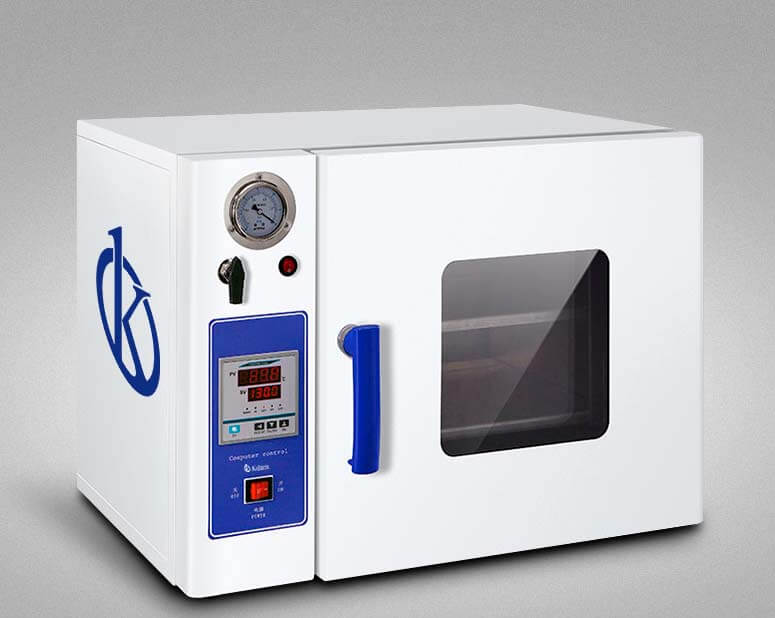
Training sessions should emphasize the importance of PPE and how to properly use and maintain it. Regular inspections of PPE should be conducted to ensure they are in suitable condition, thus ensuring maximum operator protection while using equipment like the Vacuum Drying Oven YR05260 (A).
Aerosol Containment and Decontamination Protocols
Protecting the operator and the laboratory environment from aerosol exposure is critical. Vacuum ovens should be used in conjunction with fume hoods or within controlled environments that provide adequate ventilation. Additionally, implementing decontamination protocols for the ovens, as well as the workspace, helps mitigate risks associated with potential contaminant release.
Operators should be trained on how to properly disinfect surfaces and equipment after use, following manufacturer recommendations for cleaning agents and procedures.
Risk Assessment Matrices in Laboratory Settings
A risk assessment matrix can be a valuable tool in identifying and evaluating potential hazards associated with vacuum oven use. This tool can help quantify risks and prioritize actions to mitigate these risks effectively. Factors such as the type of materials processed, the quantity, and the specific procedures involved should be considered when conducting a risk assessment.
For example, when using the Vacuum Drying Oven YR05261 (A) for drying heat-sensitive materials, operators should assess the potential for chemical release during the drying process and evaluate their response strategies accordingly.
Implementing Safe Handling Procedures
Safe handling procedures are essential to ensure that operators minimize exposure to hazards. These procedures should outline the steps to take during sample loading and unloading, as well as the protocols to follow in case of an emergency.
For instance, operators should be trained to use tongs or heat-resistant gloves when handling hot items from ovens like the Vacuum Drying Oven YR05262 (SS) to prevent burns or injuries.
Comparison of Available Models
| Model | Best For | Temperature Range (°C) | Price (USD) |
|---|---|---|---|
| YR05260 (A) | Drying heat-sensitive materials | RT + 5 ~ 250 | 330.00 |
| YR05261 (A) | Efficient drying and sterilization | RT + 5 ~ 250 | 460.00 |
| YR05262 (SS) | Environmental research applications | RT + 5 ~ 250 | 400.00 |
| YR05263 (SS) | Complex materials drying | RT + 5 ~ 250 | 590.00 |
| YR05264 (A) | Pharmaceutical applications | RT + 5 ~ 250 | 690.00 |
| YR05265 (SS) | General lab use | RT + 5 ~ 250 | 845.00 |
Common Mistakes and How to Avoid Them
In laboratory settings, common mistakes can compromise biosafety and operator safety. One frequent oversight is the inadequate training of personnel on biosafety protocols. Ensuring that all operators receive comprehensive training on the use of vacuum ovens and the associated risks is essential.
Additionally, neglecting regular maintenance and calibration of vacuum ovens can lead to compromised results and safety hazards. Establishing a maintenance schedule and adhering to it is vital to ensure that equipment operates within safe parameters.
Frequently Asked Questions
What biosafety protocols should vacuum oven operators follow in laboratories?
Operators should follow established biosafety guidelines, including wearing appropriate PPE, implementing decontamination protocols, and conducting regular risk assessments. Utilizing models like the Vacuum Drying Oven YR05263 (SS) requires additional care to ensure compliance with BSL standards.
How do I maintain a vacuum oven for optimal performance and safety?
Regular maintenance includes verifying temperature accuracy, checking vacuum integrity, and cleaning the interiors after use. Vacuum drying ovens like the YR05260 (A) should have scheduled maintenance to avoid breakdowns or safety incidents.
Which PPE is essential when using vacuum ovens in a lab environment?
Essential PPE includes lab coats, gloves, safety goggles, and face shields to protect against exposure to hazardous materials. When operating the Vacuum Drying Oven YR05261 (A), ensure that all operators are trained in PPE usage and replacement protocols.
What are the risks associated with vacuum oven usage in handling hazardous materials?
Risks include exposure to toxic fumes, burns from hot materials, and contamination from spills. Implementing strict safety protocols and using equipment like the YR05262 (SS) can help mitigate these risks effectively.
How can I conduct a risk assessment for my vacuum oven operations?
A risk assessment should evaluate the types of materials handled, potential hazards, and the adequacy of safety protocols. By using the YR05264 (A) model, operators must assess the potential for chemical exposure during the drying process.
What decontamination procedures should be in place after using a vacuum oven?
Decontamination procedures should include cleaning the oven interior and surrounding surfaces with appropriate disinfectants. After using the Vacuum Drying Oven YR05265 (SS), ensure that all surfaces are sanitized to prevent cross-contamination.
How do I choose the right vacuum oven model for my laboratory needs?
Choosing the right model involves considering the specific applications, material types, and safety requirements. For instance, the YR05263 (SS) is ideal for laboratories dealing with complex materials that require careful handling.
What emergency procedures should operators know when using vacuum ovens?
Operators should be trained in emergency procedures, including how to respond to spills, equipment failures, and exposure incidents. Familiarity with the operational features of the YR05260 (A) can aid in quicker emergency responses.
If you are looking for a fusion of innovation and quality, you have come to the right place. At Kalstein, we offer you the luxury of exploring our exclusive catalog of laboratory equipment. We manufacture every device to the highest standards of excellence. Our intuitive and seamless online purchasing channels are designed for your convenience, securing the most competitive prices. Hesitate no longer — we bring science to life, it is time to become part of our community.