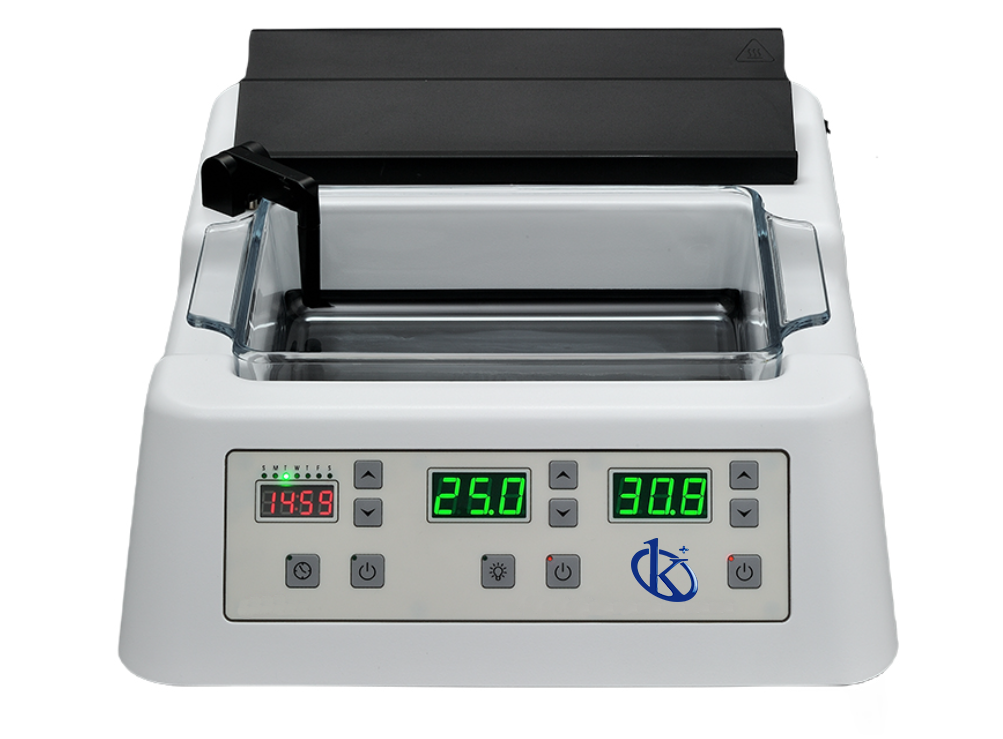
How to Ensure Biosafety in Tissue Flotation Workstations: Best Practices and Protocols
Tissue flotation workstations play a pivotal role in pathological anatomy, particularly in preparing tissue samples for examination. However, ensuring the safety of laboratory operators while using these devices is crucial. This article delves into biosafety protocols specifically related to tissue flotation workstations, guiding laboratory professionals on maintaining safety standards and operational efficiency.
Understanding Biosafety Protocols in Tissue Flotation
Biosafety protocols are essential in laboratories, especially where biological materials are handled. In the context of tissue flotation workstations, these protocols ensure that operators are protected from exposure to hazardous materials, including potential pathogens on tissue samples. Compliance with biosafety levels (BSLs) is critical, ranging from BSL-1 for minimal risk to BSL-4 for high-risk agents.
Key Biosafety Levels and Their Implications
Laboratories using tissue flotation workstations typically operate at BSL-2 or BSL-3. BSL-2 labs handle moderate-risk agents and require safety measures like restricted access, use of personal protective equipment (PPE), and proper waste disposal. BSL-3 labs deal with serious pathogens that can be transmitted through inhalation. These labs necessitate additional safety protocols including negative pressure environments and specialized ventilation systems.
Impact of Tissue Flotation Workstation Models on Biosafety
When selecting tissue flotation workstations, biosafety features should be a primary consideration. Models like the YR457-1 and YR456 offer automated temperature control that reduces operator involvement and potential exposure to hazardous materials. These features can significantly minimize the risk of accidents while working with sensitive or infectious specimens.
Essential Personal Protective Equipment (PPE) for Operators
Using appropriate PPE is a primary line of defense against exposure to biological hazards. Operators should wear laboratory coats, gloves, and safety goggles when working with tissue flotation workstations. In BSL-3 environments, respirators and face shields may also be necessary to provide additional protection against aerosol transmission.
Decontamination Protocols for Tissue Flotation Workstations
Routine decontamination is crucial in maintaining a safe working environment. After each use, surfaces of tissue flotation workstations should be disinfected with appropriate agents. A combination of 70% ethanol and bleach solutions can effectively inactivate a variety of pathogens. Additionally, any tools or instruments used in conjunction with the workstation should be cleaned and sterilized regularly.
Risk Assessment and Management Strategies
Implementing a comprehensive risk assessment process is vital for identifying potential hazards associated with tissue flotation workstations. This includes evaluating the types of samples handled, the procedures in place, and operator exposure risks. Regular training on hazard recognition and response protocols ensures that staff are well-prepared to handle emergencies efficiently.
Comparison of Available Models
| Model | Temperature Range | Best For | Price (USD) |
|---|---|---|---|
| YR456 | RT - 70℃; RT - 100℃ | Routine tissue analysis | $800.00 |
| YR457 | RT - 70℃; RT - 100℃ | Sample preparation with enhanced features | $900.00 |
| YR457-1 | RT - 70℃; RT - 100℃ | Advanced research applications | $1200.00 |
Common Mistakes and How to Avoid Them
Laboratory professionals often make critical mistakes in biosafety that can lead to hazardous exposure. Common errors include inadequate PPE usage, neglecting decontamination protocols, and failure to perform risk assessments. To avoid these mistakes, regular training and reminders of best practices should be implemented. Establishing a culture of safety where every team member feels responsible for maintaining biosafety can significantly improve overall lab safety.
Frequently Asked Questions
What are the biosafety requirements for tissue flotation workstations in BSL-2 labs?
In BSL-2 labs, tissue flotation workstations like the YR457 must comply with biosafety requirements including restricted access, mandatory PPE, and effective waste disposal methods. Operators should be trained in handling potential pathogens to minimize risks.
How can I ensure compliance with ISO standards using a tissue flotation workstation?
To ensure compliance with ISO standards, operators can utilize tissue flotation workstations like the YR456 that feature automatic memory and restoration functions. These functionalities help maintain consistent operating conditions essential for compliance with ISO 17025.
What specific decontamination protocols should be used for tissue flotation workstations?
Effective decontamination protocols for tissue flotation workstations include using a 70% ethanol solution followed by a bleach solution. Regular maintenance of models like the YR457 ensures that surfaces remain free of contaminants after each use.
How often should risk assessments be conducted in labs using tissue flotation workstations?
Risk assessments in labs utilizing tissue flotation workstations should be conducted at least annually, or immediately following any significant operational changes. This ensures that all potential hazards are identified and managed effectively.
Why is personal protective equipment essential when using a tissue flotation workstation?
Personal protective equipment is essential in protecting laboratory operators from exposure to hazardous biological materials when using tissue flotation workstations. Proper PPE can significantly reduce the risk of contamination and infection.
What training should operators receive for safe use of tissue flotation workstations?
Operators should receive training that covers biosafety protocols, appropriate PPE usage, emergency response measures, and proper decontamination techniques for tissue flotation workstations. Continuous education is vital for maintaining safety standards.
Which tissue flotation workstation model is best for high throughput in a BSL-3 lab?
The YR457-1 model is ideal for high throughput in BSL-3 labs due to its automatic memory functions and efficient temperature controls. These features enhance operator safety while maintaining productivity levels.
How can I improve operator safety when using tissue flotation workstations?
Improving operator safety can be achieved by implementing comprehensive training programs, ensuring the correct use of PPE, and establishing strict decontamination protocols when using tissue flotation workstations like the YR456.
If you are looking for a fusion of innovation and quality, you have come to the right place. At Kalstein, we offer you the luxury of exploring our exclusive catalog of laboratory equipment. We manufacture every device to the highest standards of excellence. Our intuitive and seamless online purchasing channels are designed for your convenience, securing the most competitive prices. Hesitate no longer — we bring science to life, it is time to become part of our community.