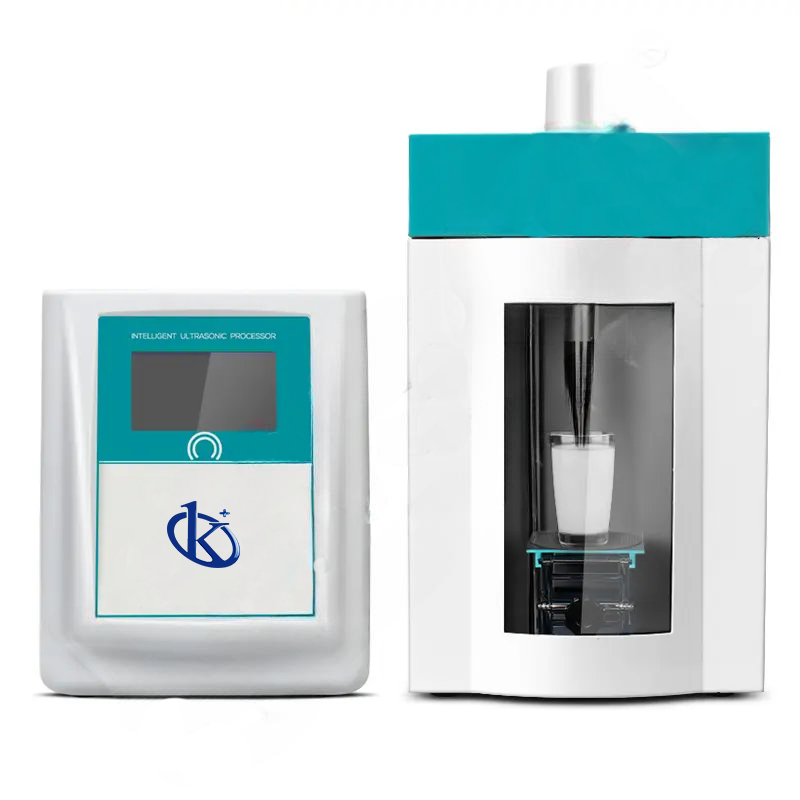
How to Ensure Biosafety and Safe Operator Management with Ultrasonic Homogenizers
In laboratory environments, particularly those utilizing ultrasonic homogenizers, the safety of operators and the adherence to biosafety protocols are paramount. This comprehensive guide will delve into the best practices for maintaining biosafety while using ultrasonic homogenizers, focusing on operator safety management, the evaluation of different models, and common pitfalls to avoid.
The Role of Biosafety in Laboratory Practices
Biosafety encompasses the measures taken to protect laboratory personnel, the environment, and the public from exposure to pathogens and hazardous substances. It is crucial that laboratories implement rigorous biosafety protocols, especially when working with potentially infectious or harmful samples. Ultrasonic homogenizers, while essential for sample preparation, can pose risks such as aerosol generation. Thus, understanding biosafety levels and implementing appropriate safety measures is essential to mitigate these risks.
Understanding Biosafety Levels
Biosafety levels (BSLs) range from BSL-1 to BSL-4, each with specific requirements regarding containment and safety measures. For example, BSL-1 labs handle non-pathogenic organisms, while BSL-4 labs deal with highly infectious agents. When using ultrasonic homogenizers in these environments, it is critical to match the device's capabilities with the biosafety level of the laboratory to ensure compliance with safety regulations.
Ultrasonic Homogenizers: Features and Biosafety Compatibility
Ultrasonic homogenizers are designed to emulsify, disperse, and homogenize samples efficiently. However, their operation can create aerosols that may pose health risks. It is important to select models with built-in safety features such as closed systems, automatic shut-off mechanisms, and noise reduction technologies. For example, the Ultrasonic Homogenizer YR05015 features overload protection and automatic failure alarms, which enhance operator safety during use.
Operator Safety Management Strategies
Effective operator safety management involves training personnel in biosafety practices, utilizing personal protective equipment (PPE), and establishing protocols for the safe handling of hazardous materials. Regular training sessions and drills can prepare staff for emergencies and ensure that they are familiar with the safety features of the ultrasonic homogenizers they operate.
Emergency Response Protocols in Ultrasonic Homogenization
In the event of an incident involving the ultrasonic homogenizer, such as equipment failure or accidental exposure to hazardous materials, having a clear emergency response protocol is vital. Laboratories should develop and regularly review these protocols, ensuring that all staff members are aware of the correct procedures to follow in case of an emergency.
Comparison of Available Models
| Model | Power (W) | Mixing Capacity (ml) | Best for |
|---|---|---|---|
| YR05015 | 1.5 – 150W | 0.1 – 150 ml | Small to medium sample preparation in BSL-1 labs |
| YR05016 | 2-5 – 250 W | 0.1 – 300 ml | Medium sample preparation with higher power needs |
| YR05017 | 10 – 650 W | 0.1 – 500 ml | Versatile applications in BSL-2 labs |
| YR05018 | 10 – 900 W | 0.1 – 600 ml | High-throughput applications in BSL-2 labs |
| YR05019 | 20 – 1 200W | 1 – 1 000 ml | Large sample preparations and emulsification |
| YR05020 | 50 – 1 800W | 1 – 1 200ml | Advanced homogenization in research facilities |
Common Mistakes and How to Avoid Them
When using ultrasonic homogenizers, laboratories often overlook essential safety measures which can lead to accidents. Some common mistakes include inadequate PPE usage, neglecting to calibrate equipment regularly, and not following established protocols for sample processing. To avoid these pitfalls, laboratories should prioritize ongoing training, regularly inspect equipment, and ensure compliance with biosafety guidelines.
Frequently Asked Questions
What are the key biosafety protocols when using ultrasonic homogenizers?
Key biosafety protocols include using appropriate PPE, ensuring proper ventilation, and implementing containment measures when using ultrasonic homogenizers like YR05015. Understanding the biosafety levels related to your samples and processes is crucial to ensure operator safety.
How can ultrasonic homogenizers help comply with BSL-2 requirements?
Models such as YR05017 are designed to operate safely in BSL-2 environments, featuring high power outputs and effective aerosol containment measures. Adhering to BSL-2 protocols ensures that samples are processed safely while protecting laboratory personnel.
What personal protective equipment is recommended for ultrasonic homogenizer use?
Recommended PPE includes gloves, lab coats, and safety goggles. Utilizing these protections while operating models like YR05018 helps minimize exposure to potential aerosols generated during homogenization processes.
How often should ultrasonic homogenizers be calibrated for safety compliance?
Regular calibration of ultrasonic homogenizers, such as the YR05020, should be conducted at least annually, or after significant repairs, to ensure compliance with safety standards and optimal performance during use.
What are the risks associated with ultrasonic homogenizers in the lab?
Ultrasonic homogenizers can generate aerosols and heat, presenting risks such as exposure to biohazardous materials. Utilizing models like YR05019 with built-in safety features can mitigate these risks and protect operators.
How can training improve biosafety when using ultrasonic homogenizers?
Training enhances awareness of potential hazards and proper techniques for using devices like YR05016. Regular training ensures all laboratory personnel are prepared to operate equipment safely and respond effectively to emergencies.
What is the best practice for maintaining ultrasonic homogenizers?
Best practices include regular cleaning, routine servicing, and following the manufacturer’s guidelines for operation. Models such as YR05015 require specific maintenance routines to ensure safety and longevity.
For those interested in exploring a variety of ultrasonic homogenizers tailored to your laboratory needs, request a quote today.
If you are looking for a fusion of innovation and quality, you have come to the right place. At Kalstein, we offer you the luxury of exploring our exclusive catalog of laboratory equipment. We manufacture every device to the highest standards of excellence. Our intuitive and seamless online purchasing channels are designed for your convenience, securing the most competitive prices. Hesitate no longer — we bring science to life, it is time to become part of our community.