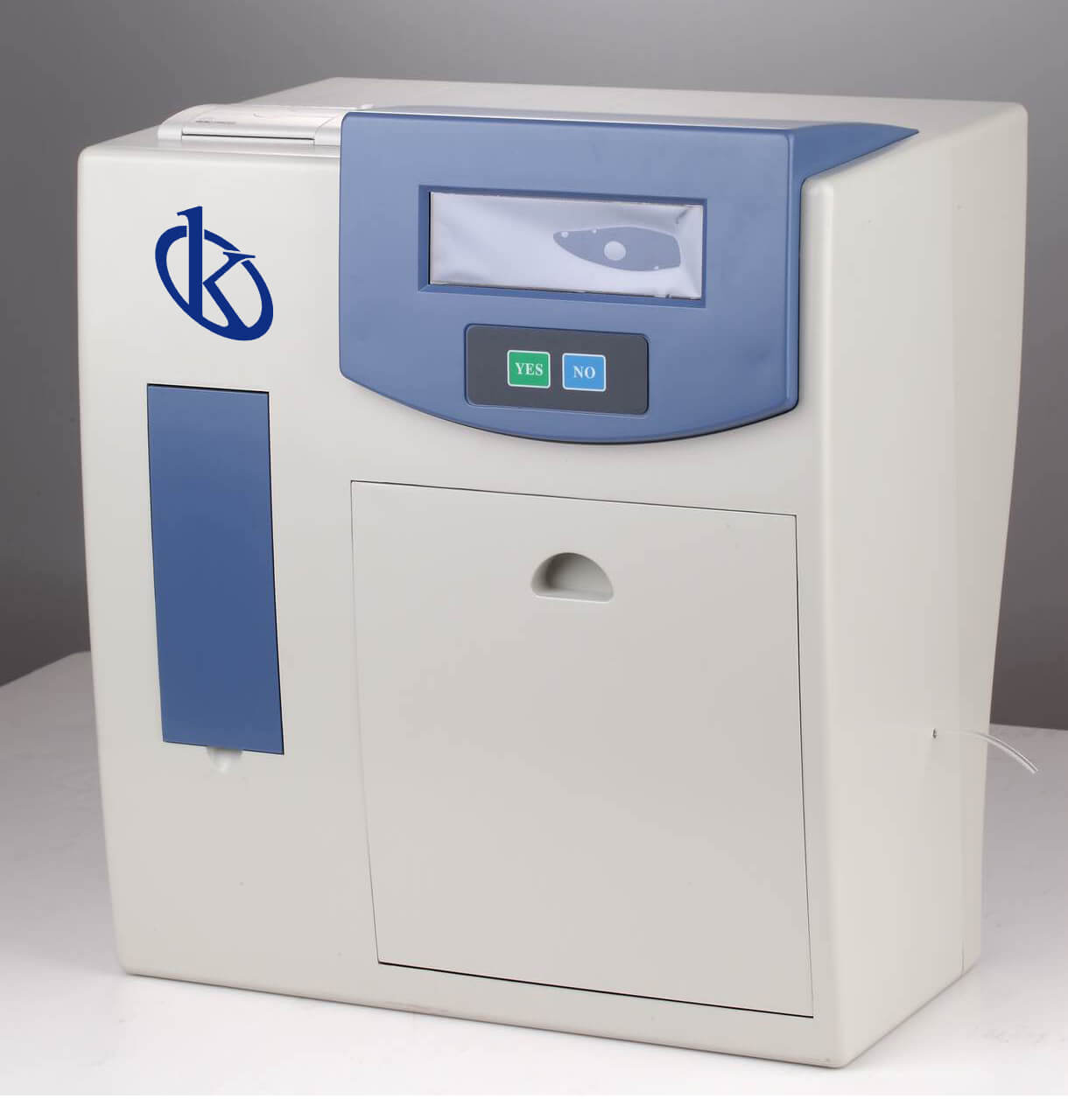
How to Ensure Biosafety and Safe Operator Management in Electrolyte Analyzers
In laboratory environments where electrolyte analyzers are utilized, ensuring biosafety and safe operation is paramount. These devices, which analyze critical electrolyte levels in clinical samples, must be managed under strict biosafety protocols to protect operators and maintain accurate results. This article will delve into essential biosafety protocols and safe operator management practices specific to electrolyte analyzers, offering a comprehensive guide for laboratory professionals.
Understanding Biosafety Protocols in Electrolyte Analysis
The implementation of biosafety protocols is crucial to mitigate risks associated with handling clinical samples. The biosafety levels (BSL) dictate the required precautions for laboratory operations. For electrolyte analyzers, typically classified under BSL-2, labs must ensure adequate containment, routine decontamination, and proper waste disposal. Each analyzer’s design must support these protocols to enhance safety during operation.
Key Biosafety Levels and Their Relevance
Operating electrolyte analyzers demands adherence to BSL-2 standards, which necessitate protective measures against biohazardous materials. BSL-2 focuses on limited access to the laboratory and the use of personal protective equipment (PPE) like gloves and lab coats. Understanding these levels helps laboratories implement necessary safety protocols effectively.
Personal Protective Equipment (PPE) Guidelines
Using appropriate PPE is essential for operator safety while using electrolyte analyzers. Operators should wear gloves, lab coats, and protective eyewear to prevent direct exposure to samples. Proper glove disposal and hand washing protocols must also be in place. Training staff on PPE usage and ensuring their availability can significantly enhance safety protocols in the lab.
Best Practices for PPE Usage
To maintain optimum safety, establish standard operating procedures (SOPs) regarding PPE wear. Operators should replace gloves frequently, especially when handling different samples. Training sessions can reinforce the importance of PPE in minimizing exposure to hazardous materials associated with serum and plasma testing.
Sample Handling and Risk Assessment
Effective sample handling is vital to ensuring biosafety in electrolyte analysis. Operators must be trained to recognize and manage hazardous samples safely. Conducting a risk assessment for each sample type aids in determining appropriate handling practices and containment measures.
Conducting Effective Risk Assessments
Regularly evaluate potential hazards associated with sample testing. For instance, serum or plasma samples may pose different risks compared to urine samples due to the presence of various pathogens. This knowledge allows operators to implement targeted safety measures based on the specific risks involved.
Decontamination Protocols for Electrolyte Analyzers
Decontamination of electrolyte analyzers is a key element in the biosafety framework. Regular disinfection of surfaces, equipment, and any area that may come in contact with samples is essential to minimize contamination risks. Laboratories must follow established cleaning schedules and utilize approved disinfectants for effective decontamination.
Setting Up a Decontamination Schedule
Establish a strict decontamination schedule that includes daily, weekly, and monthly cleaning tasks. For instance, daily wipe-downs of the electrolyte analyzer surfaces after use and weekly deep cleaning can help maintain a safe environment. Documenting decontamination efforts can also support compliance with safety standards.
Comparison of Available Models
| Model | Key Features | Best For |
|---|---|---|
| YR05169 | Automatic electric potential tracking, real-time diagnostics | Stable performance in busy environments |
| YR06391 | 7-inch touchscreen, low operating costs | Quick recovery of investment in low-volume labs |
| YR06392 | ISE method, analyzes up to six elements | Medium-sized labs needing flexible testing |
| YR06393 | ISE method, high-speed analysis | Fast-paced environments requiring efficiency |
| YR06394 | Advanced user interface, reliable operation | Labs with diverse testing needs |
| YR06395 | Cost-effective, versatile sample types | General-purpose analysis in clinical settings |
Common Mistakes and How to Avoid Them
Laboratories often fall into common pitfalls regarding biosafety and electrolyte analyzer management. One major error is inadequate training for operators, leading to mishandling of samples and equipment. To avoid this, ensure regular training sessions that cover safety protocols, equipment usage, and emergency procedures.
Training and Awareness Initiatives
Implementing a robust training program that includes hands-on practice with electrolyte analyzers can significantly reduce errors. Regular refresher courses can keep safety protocols fresh in operators' minds, helping to maintain a high standard of safety and efficiency within the laboratory.
Frequently Asked Questions
How do biosafety regulations apply to the operation of electrolyte analyzers?
Biosafety regulations, especially BSL-2 standards, require specific precautions when operating electrolyte analyzers like the YR05169. These include using PPE, implementing containment measures, and ensuring regular decontamination protocols.
Which personal protective equipment is essential for operating electrolyte analyzers?
Essential PPE for operating electrolyte analyzers includes gloves, lab coats, and protective eyewear. Proper PPE usage minimizes exposure to hazardous samples, ensuring operator safety during testing and analysis.
What are effective decontamination practices for electrolyte analyzers?
Effective decontamination practices involve regularly cleaning surfaces and equipment with approved disinfectants. For instance, the YR06391 requires wipes after each use and thorough cleaning weekly to maintain a safe working environment.
How can I assess risks associated with electrolyte analysis samples?
Conducting a risk assessment involves identifying potential hazards in each sample type, such as blood or urine, and implementing appropriate safety measures. This ensures that operators are well-prepared for safe sample handling.
What training programs are recommended for lab personnel using electrolyte analyzers?
Recommended training programs should cover safety protocols, equipment handling, and emergency procedures. Regular refresher courses enhance operator knowledge, particularly for models like YR06392, known for their complex features.
How can electrolyte analyzers support compliance with safety standards?
Electrolyte analyzers such as YR05169 and YR06395 are designed with features that facilitate compliance with safety standards, including automatic diagnostics and error detection, which ensure safe operation and reliable test results.
What are the common mistakes made when using electrolyte analyzers?
Common mistakes include inadequate operator training and failure to adhere to cleaning protocols. To mitigate these issues, laboratories should implement comprehensive training programs and establish clear cleaning schedules for devices like the YR06391.
How can I request a quote for electrolyte analyzers and related equipment?
To request a quote for electrolyte analyzers, you can contact our sales team or explore our catalog online. We provide detailed product information and competitive pricing to assist you in making informed decisions.
If you are looking for a fusion of innovation and quality, you have come to the right place. At Kalstein, we offer you the luxury of exploring our exclusive catalog of laboratory equipment. We manufacture every device to the highest standards of excellence. Our intuitive and seamless online purchasing channels are designed for your convenience, securing the most competitive prices. Hesitate no longer — we bring science to life, it is time to become part of our community.