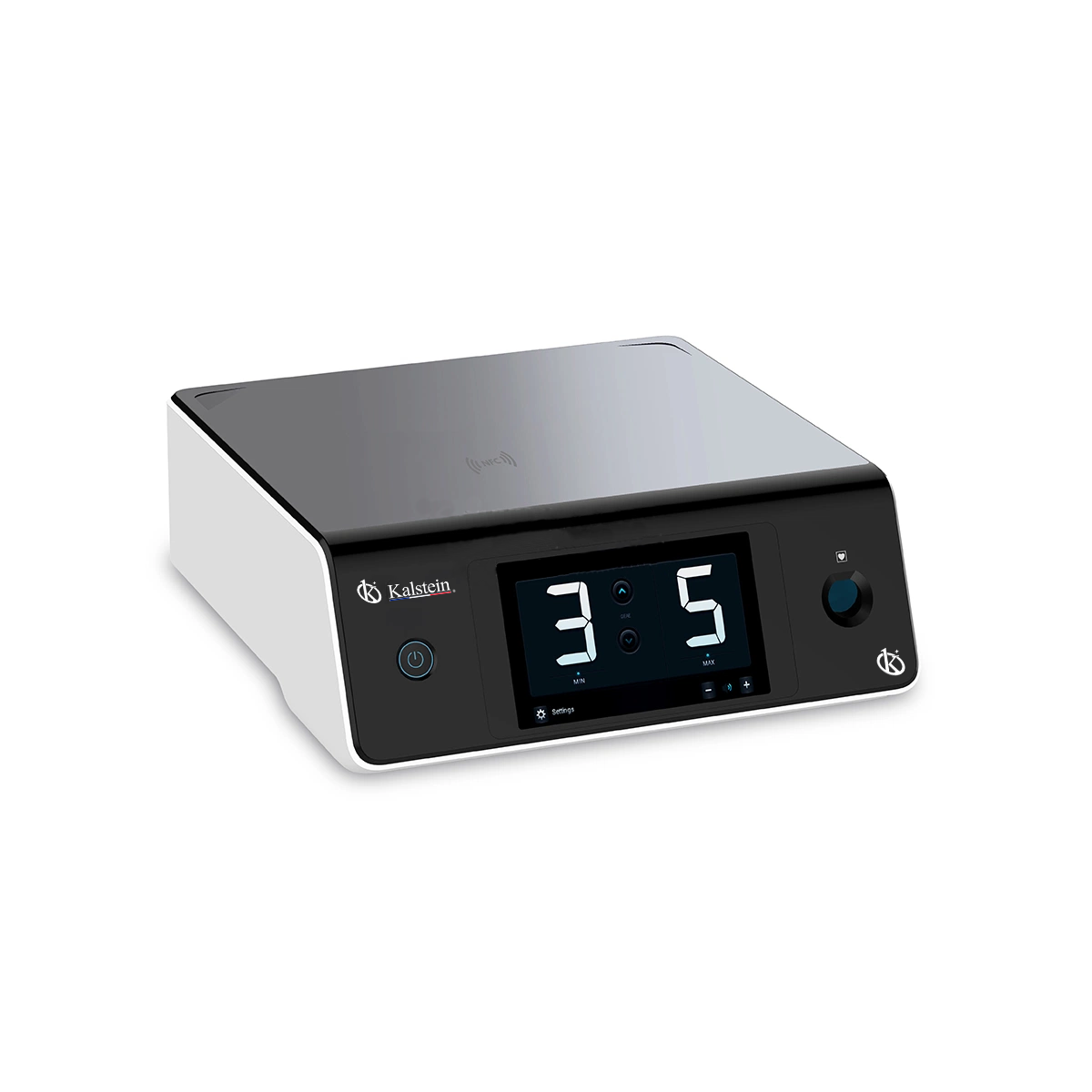
Ensuring Biosafety Protocols and Safe Operator Management in Veterinary Electrosurgical Units
In the realm of veterinary surgery, the use of electrosurgical units (ESUs) plays a pivotal role in enhancing operational efficiency and ensuring patient safety. However, with this advanced technology comes the essential responsibility of maintaining stringent biosafety protocols and managing operator safety. This article delves into the significance of these protocols in veterinary electrosurgical units, exploring how various models contribute to compliance, safety, and effective outcomes.
Understanding Biosafety Protocols in Veterinary Surgery
Biosafety protocols are designed to protect both the animal patients and the medical staff involved in veterinary surgical procedures. These protocols encompass a range of practices aimed at minimizing the risks of exposure to biological hazards, including infectious agents and sharps injuries. Essential components of biosafety include laboratory safety guidelines, use of personal protective equipment (PPE), and proper management of surgical waste.
Importance of Operator Safety Management
An equally important aspect is the safety of the operators using electrosurgical units. Operator safety management involves training personnel in the correct use of equipment, awareness of the hazards associated with electrical surgeries, and the implementation of safety measures that mitigate risks. This includes the use of insulated tools, safety protocols for handling devices, and ensuring proper grounding to prevent electrical accidents.
Comparison of Available Models
| Model | Features | Best for | Price (USD) |
|---|---|---|---|
| YR06129 | Ultrasonic cutting, automatic transducer detection | Small vessels under 5 mm | 2500.00 |
| YR06130 | Multi-functional, high-performance | General surgeries | 2700.00 |
| YR06131 | Uniform sealing for 7-15 mm vessels | Laparoscopic procedures | 3000.00 |
| YR06132 | Multiple coagulation modes | Open surgeries | 1600.00 |
| YR06133 | Portable, dual-wavelength | Field surgeries | 5600.00 |
| YR06134 | Integrated design, easy maintenance | Mobile surgical units | 5600.00 |
Key Biosafety Protocols for Electrosurgical Units
Establishing proper biosafety protocols involves understanding the specific risks associated with electrosurgical units. Critical measures include:
- Personal Protective Equipment: Ensure that all operators wear appropriate PPE, including gloves, masks, and gowns, to minimize exposure to surgical hazards.
- Electrical Safety Training: Conduct regular training sessions for operators to familiarize them with the safe usage of electrosurgical units.
- Aerosol Containment: Implement measures to contain surgical aerosols that may arise during electrosurgery, thus protecting both the patient and the surgical team.
- Decontamination Protocols: Develop thorough decontamination protocols for instruments and the surgical environment to eliminate potential pathogens.
Common Mistakes and How to Avoid Them
When managing biosafety protocols and operator safety in veterinary surgeries using electrosurgical units, common mistakes can lead to serious consequences. Here are some pitfalls to avoid:
- Neglecting proper sterilization techniques can lead to infections; always follow established decontamination procedures.
- Insufficient training on equipment usage can result in accidents; ensure ongoing education and training for all personnel.
- Overlooking PPE requirements can expose staff to biohazards; always enforce strict PPE protocols in the surgical environment.
Frequently Asked Questions
What are the best biosafety practices for using a veterinary electrosurgical unit?
The best biosafety practices include thorough sterilization of instruments, use of appropriate personal protective equipment (PPE), and comprehensive training for operators. Models like YR06130 provide multifunctionality, reducing the need for multiple instruments and thereby minimizing exposure risk.
How do I ensure operator safety when using electrosurgical units for veterinary procedures?
Ensuring operator safety involves training on the safe handling of electrosurgical units, utilizing insulated tools, and implementing strict grounding protocols. Models like YR06131 with automatic power adjustments offer enhanced safety features to reduce risks during surgery.
What are the recommended PPE for operators using veterinary electrosurgical units?
Recommended PPE includes surgical gloves, gowns, masks, and protective eyewear. Utilizing proper PPE while operating devices such as YR06132 can protect against exposure to harmful surgical elements and maintain a safe working environment.
Which veterinary electrosurgical unit is best for small animal surgeries?
The Veterinary Ultrasonic Scalpel YR06129 is ideal for small animal surgeries, effectively securing vessels under 5 mm and featuring a compact design that enhances maneuverability and safety during procedures.
How often should safety training for operators using veterinary electrosurgical units be conducted?
Safety training should be conducted regularly, ideally quarterly, to ensure operators are up-to-date with the latest protocols and technologies. This is essential for maintaining safety standards when using models like YR06130 and YR06131.
What is the significance of proper equipment maintenance in ensuring safety during surgeries?
Proper maintenance of electrosurgical units is crucial for ensuring their reliability and safety. Regular checks and calibrations help prevent malfunctions during surgeries, which is especially important for devices like YR06132 that have multiple operating modes.
How can I assess the effectiveness of biosafety protocols in my veterinary practice?
To assess the effectiveness of biosafety protocols, conduct regular audits and simulations of surgical procedures. Tracking compliance with protocols when using any model can help identify areas for improvement and enhance overall safety.
Are there specific regulations I should follow for veterinary electrosurgical units?
Yes, specific regulations such as ANSI/AAMI ST79 should be followed to ensure compliance with sterilization and safety standards. This is particularly relevant for models like YR06133 that are utilized in various surgical settings.
If you are looking for a fusion of innovation and quality, you have come to the right place. At Kalstein, we offer you the luxury of exploring our exclusive catalog of laboratory equipment. We manufacture every device to the highest standards of excellence. Our intuitive and seamless online purchasing channels are designed for your convenience, securing the most competitive prices. Hesitate no longer — we bring science to life, it is time to become part of our community.