How to Ensure Biosafety Protocols and Safe Operator Handling in Vertical Electrophoresis
In the realm of laboratory practices, biosafety protocols are paramount, especially in the context of vertical electrophoresis. This method, which enables the separation of proteins, requires careful handling to protect operators and maintain sample integrity. This article delves into critical biosafety protocols and safe operator handling techniques, focusing on various models within the vertical electrophoresis subcategory.
Understanding Vertical Electrophoresis in the Context of Biosafety
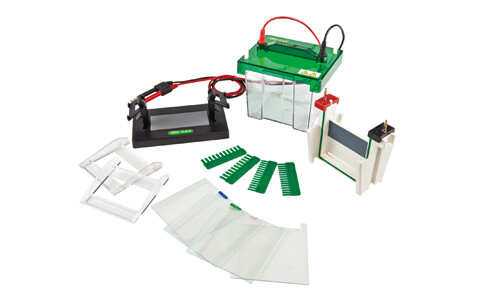
Vertical electrophoresis is often employed for protein separation rather than nucleic acids, providing greater resolution for complex samples. However, the intricate nature of this method necessitates strict adherence to biosafety measures. The operator's safety is integral, particularly when using models like the Mini-Protean Vertical Electrophoresis Cell YR03425 and YR03426, which feature rapid installation mechanisms and customizable gel setups. Ensuring proper protocols helps mitigate risks associated with hazardous reagents and biological samples.
Key Biosafety Protocols for Vertical Electrophoresis
Effective biosafety protocols are designed to safeguard personnel and the environment during the operation of vertical electrophoresis systems. These protocols include:
- Personal Protective Equipment (PPE): Always wear appropriate PPE such as gloves, lab coats, and safety goggles to avoid exposure to harmful substances.
- Biological Safety Cabinets: Utilize biosafety cabinets when handling samples that may be pathogenic or produce aerosols, ensuring a sterile environment.
- Proper Waste Disposal: Follow hazardous waste disposal guidelines for used gels and reagents to prevent environmental contamination.
Safe Handling Techniques for Operators
Operators must follow specific handling techniques to ensure safety while using vertical electrophoresis systems:
- Training: Continuous training on equipment usage and emergency procedures is essential for all personnel.
- Equipment Familiarity: Understand the specific features of each model, like the Mini-Protean Vertical Electrophoresis Cell YR03427’s quick glass plate installation, to minimize risks during operation.
- Regular Maintenance: Conduct routine checks and maintenance on all equipment to ensure they function safely and efficiently.
Comparison of Available Models
| Model Code | Gel Capacity | Buffer Volume | Net Weight (Kg) | Price (USD) |
|---|---|---|---|---|
| YR03425 | 1-2 pieces | ~750 ml | 1.5 | 303.00 |
| YR03426 | 1-4 pieces | ~1,000 ml | 2.5 | 405.00 |
| YR03427 | 1-4 pieces | ~1,200 ml | 2.5 | 517.20 |
| YR03428 | 1-2 pieces | ~1,800 ml | 3.2 | 173.40 |
| YR03429 | 1-2 pieces | ~3,500 ml | 5.6 | 238.20 |
| YR03430 | 1-2 pieces | ~1,800 ml | 3.2 | 339.60 |
Common Mistakes and How to Avoid Them
Laboratory professionals often encounter pitfalls in biosafety practices while using vertical electrophoresis systems. Common mistakes include:
- Neglecting PPE: Failing to wear adequate PPE can lead to exposure. Always prioritize safety gear.
- Inadequate Training: Insufficient training on specific models, such as the YR03428, can lead to misuse. Ensure all operators are well-trained.
- Poor Waste Management: Improper disposal of hazardous materials can pose risks to health and safety. Follow proper disposal protocols strictly.
Frequently Asked Questions
What biosafety protocols should be followed when using vertical electrophoresis systems?
Implementing robust biosafety protocols is crucial when operating vertical electrophoresis systems like the Mini-Protean YR03426. Key protocols include using appropriate PPE, ensuring the use of biological safety cabinets, and adhering to safe waste disposal practices.
How can I ensure safe operator handling during vertical electrophoresis?
To ensure safe operator handling during vertical electrophoresis, implement continuous training, familiarize operators with equipment like the YR03427, and conduct regular maintenance checks to uphold safety standards.
Which vertical electrophoresis model is best for high sample throughput?
The Mini-Protean Vertical Electrophoresis Cell YR03426 is ideal for high sample throughput, supporting 1-4 gel pieces simultaneously, thus optimizing laboratory efficiency and productivity in protein separation tasks.
What should I consider for waste disposal when using vertical electrophoresis?
When using vertical electrophoresis systems, particularly the YR03429, ensure that all hazardous waste is disposed of following local regulations and guidelines to prevent environmental contamination and ensure safety.
How often should vertical electrophoresis systems be maintained for safety?
Regular maintenance of vertical electrophoresis systems, such as the YR03428, should be conducted at least monthly. This includes checking for any wear and tear and ensuring all safety features function correctly to maintain laboratory safety.
What training is necessary for operators using vertical electrophoresis?
Operators using vertical electrophoresis systems like the YR03430 should receive training on equipment handling, biosafety protocols, and emergency response procedures to ensure safe and effective laboratory practices.
How do different vertical electrophoresis models ensure operator safety?
Different models, such as the Mini-Protean YR03425, ensure operator safety through features like quick installation to minimize handling time, thus reducing the exposure risk to hazardous reagents and samples during operation.
If you are looking for a fusion of innovation and quality, you have come to the right place. At Kalstein, we offer you the luxury of exploring our exclusive catalog of laboratory equipment. We manufacture every device to the highest standards of excellence. Our intuitive and seamless online purchasing channels are designed for your convenience, securing the most competitive prices. Hesitate no longer — we bring science to life, it is time to become part of our community.