Enhancing Biosafety Protocols with Ultrasonic Homogenizers: A Comprehensive Guide
In the laboratory environment, ensuring the safety of operators while maintaining high productivity is crucial. Ultrasonic homogenizers are versatile tools that can significantly enhance biosafety protocols, particularly in contexts requiring rigorous handling of biological materials. This guide explores how ultrasonic homogenizers can improve operator safety, discussing various models, their applications, and best practices for biosafety protocols.
The Role of Ultrasonic Homogenizers in Biosafety
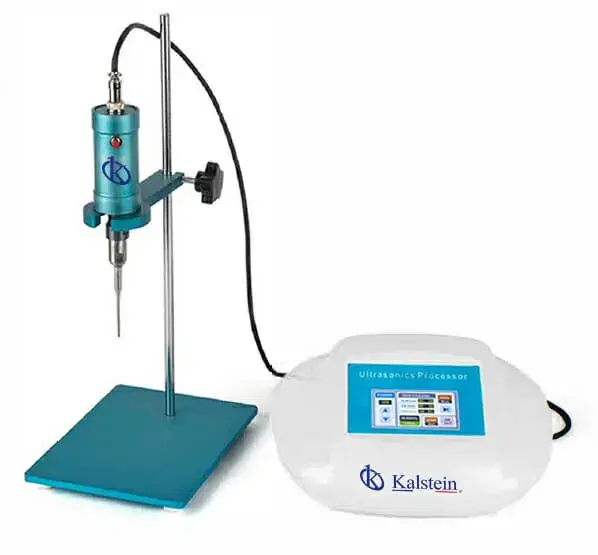
Ultrasonic homogenizers utilize high-frequency sound waves to create cavitation bubbles in liquids, effectively homogenizing samples. This technology is particularly valuable in laboratories dealing with biological specimens, as it minimizes contamination risks while enhancing sample processing efficiency. Applications include cell disruption, emulsification, extraction, and more, all of which require stringent biosafety measures.
Understanding Biosafety Levels
Biosafety levels (BSL) define the laboratory practices and safety measures in place to protect personnel and the environment from pathogenic microorganisms. There are four BSLs, with BSL-1 being the least stringent and BSL-4 being the most demanding. Using ultrasonic homogenizers in BSL-2 and higher laboratories necessitates compliance with specific protocols to ensure safe handling of potentially infectious materials.
Comparison of Available Models
| Model | Ultrasonic Power (W) | Capacity (ml) | Best Application | Price (USD) |
|---|---|---|---|---|
| YR05829 | 5-150 | 0.1-50 | Cell disruption and emulsification | 659.00 |
| YR05830 | 5-250 | 0.5-100 | Cell disruption and extraction | 659.00 |
| YR05831 | 5-400 | 0.5-300 | Emulsification and dispersion | 699.00 |
| YR05831-op1 | 5-400 | 0.5-300 | Cell disruption and homogenization | 149.00 |
| YR05831-op2 | 5-400 | 0.5-300 | Homogenization and extraction | 95.00 |
| YR05832 | 650 | 0.2-500 | Extraction and emulsification | 1050.00 |
Common Mistakes and How to Avoid Them
Many laboratory professionals underestimate the importance of following biosafety protocols when using ultrasonic homogenizers. Common mistakes include incorrect settings leading to sample loss or contamination and inadequate personal protective equipment (PPE) usage. Always ensure that you follow the manufacturer’s guidelines for settings and invest in proper PPE to minimize exposure to aerosols generated during homogenization.
Implementing Effective Biosafety Protocols
To enhance biosafety, laboratories should implement comprehensive protocols including risk assessments, standard operating procedures (SOPs), and training sessions for staff. Protocols should outline the use of ultrasonic homogenizers, detailing best practices for sample handling, cleaning, and maintenance. Regular audits can also ensure compliance with biosafety standards.
Employee Training on Biosafety Measures
Regular training sessions for laboratory staff are essential to reinforce the importance of biosafety measures when using ultrasonic homogenizers. Training should cover the operation of equipment, recognition of potential hazards, proper PPE usage, and emergency procedures. Effective training ensures that all personnel are aware of their responsibilities in maintaining a safe working environment.
Monitoring and Maintenance of Equipment
Regular monitoring and maintenance of ultrasonic homogenizers not only prolong their lifespan but also ensure consistent performance. Calibration of equipment, as well as routine checks for wear and tear, helps to minimize risks associated with equipment failure. Establish a maintenance schedule that includes cleaning, performance testing, and inspections to maintain optimal functionality.
Enhancing Operator Protection
Operator safety is paramount when using ultrasonic homogenizers, particularly when dealing with hazardous biological materials. Implementing engineering controls such as fume hoods or enclosed systems can help contain aerosols generated during homogenization. Additionally, using appropriate PPE such as gloves, goggles, and lab coats can further protect operators from potential exposure to biohazards.
Utilizing Technology for Biosafety Compliance
Incorporating technology, such as electronic lab notebooks and data management systems, can enhance compliance with biosafety protocols. These systems facilitate accurate record-keeping of experiments and safety procedures, reducing the risk of errors and omissions. Furthermore, they can streamline the process of training and ensure that updates to biosafety protocols are communicated effectively to all personnel.
Frequently Asked Questions
What biosafety measures should I follow when using ultrasonic homogenizers?
Proper biosafety measures include using personal protective equipment (PPE), following standard operating procedures, and ensuring proper training for staff. Models like the YR05831 are designed to minimize contamination risks, while stringent protocols help maintain safety in the lab.
How can I assess the effectiveness of my biosafety protocols for ultrasonic homogenizers?
Regular audits and risk assessments can help evaluate the effectiveness of biosafety protocols. Utilizing models such as YR05830, which has specified safety features, can also enhance compliance with safety measures in the laboratory environment.
Which ultrasonic homogenizer is best for BSL-2 laboratories?
The YR05831 model, with its high ultrasonic power and capacity, is highly suitable for BSL-2 laboratories. It effectively handles cell disruption and emulsification, ensuring adherence to biosafety protocols while processing potentially infectious materials.
How do I ensure compliance with biosafety standards using ultrasonic homogenizers?
Ensuring compliance involves regular training, proper documentation, and adherence to standard operating procedures when using ultrasonic homogenizers. The YR05832 model can facilitate compliance with its advanced features tailored for safe operation.
What training should laboratory staff receive regarding ultrasonic homogenizers?
Staff should receive training on equipment operation, biosafety practices, and emergency procedures. Familiarization with models like the YR05829 helps staff understand the operational aspects while reinforcing safety measures during usage.
How should I maintain my ultrasonic homogenizer for optimal performance?
Regular maintenance should include calibration, cleaning, and performance checks. Following a maintenance schedule ensures that models such as YR05830 function reliably, minimizing risks associated with equipment failure in biosafety critical operations.
What are the common risks associated with using ultrasonic homogenizers in laboratories?
Common risks include exposure to aerosols, sample contamination, and equipment malfunction. Implementing effective biosafety protocols when using models like the YR05831 can help mitigate these risks, ensuring a safer laboratory environment.
How can technology enhance biosafety compliance in laboratory settings?
Technology, including electronic lab notebooks and data management systems, improves biosafety compliance by facilitating accurate record-keeping and communication of safety protocols. Using models like the YR05832 can further streamline safety practices and enhance operational efficiency.
If you are looking for a fusion of innovation and quality, you have come to the right place. At Kalstein, we offer you the luxury of exploring our exclusive catalog of laboratory equipment. We manufacture every device to the highest standards of excellence. Our intuitive and seamless online purchasing channels are designed for your convenience, securing the most competitive prices. Hesitate no longer — we bring science to life, it is time to become part of our community.