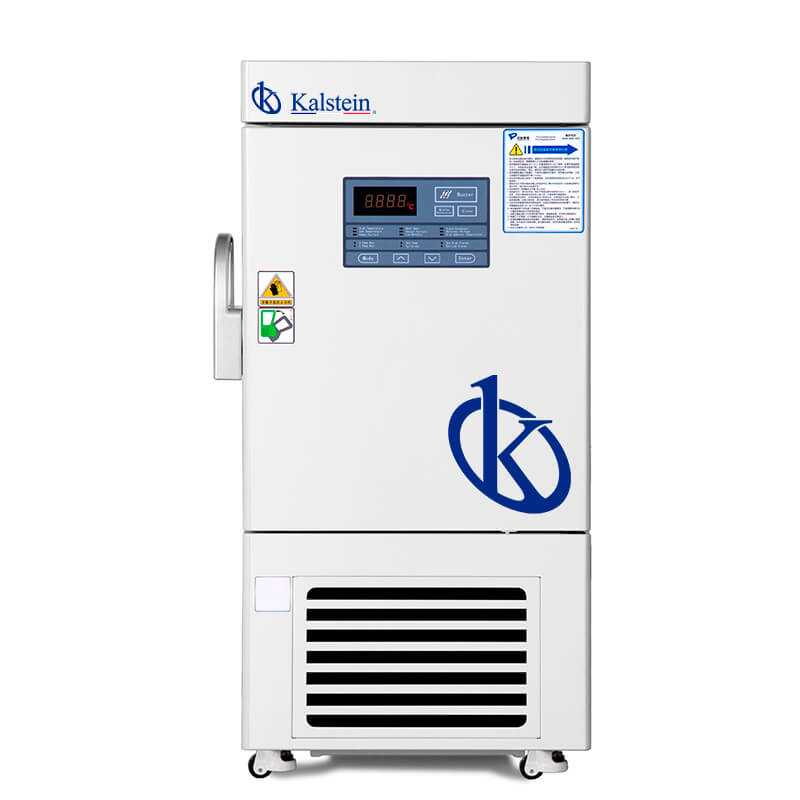
Biosafety Protocols and Safe Operator Management in Ultra Freezers
In laboratory settings, especially those handling biological specimens, maintaining stringent biosafety protocols is paramount. Ultra freezers play a crucial role in preserving sensitive biological materials, but they also require careful handling to ensure both safety and compliance. This article delves into the biosafety protocols and safe operator management associated with ultra freezers, examining various models currently available and their attributes that support laboratory safety.
Understanding Biosafety Protocols in Laboratory Environments
Biosafety protocols are essential for minimizing risks associated with biological materials. Laboratories are classified into different Biosafety Levels (BSLs), which dictate the required containment precautions. For instance, BSL-2 labs might handle moderate-risk agents, while BSL-3 labs deal with serious or potentially lethal pathogens. Ultra freezers are typically used in BSL-2 and BSL-3 environments, where strict adherence to protocols is crucial for worker safety.
Operational Guidelines for Safe Management of Ultra Freezers
Safe operator management encompasses training, routine maintenance, and emergency protocols. Laboratory personnel must be trained on the specific features of the ultra freezers being used, including temperature settings, alarm systems, and decontamination procedures. Regular maintenance checks should be scheduled to ensure that the freezer functions optimally and any potential risks are addressed promptly.
Comparison of Available Models
| Model | Temperature Range (°C) | Energy Consumption (kWh/24h) | Best for |
|---|---|---|---|
| YR05106 | -40 to -86 | 5.6 | Blood banks and hospitals |
| YR05107 | -40 to -86 | 8.2 | Research institutes |
| YR05108 | -40 to -86 | 12 | Biological engineering |
| YR05109 | -40 to -86 | 16.5 | Pathogen research |
| YR05110 | -40 to -86 | 20 | Marine biology |
| YR05111 | -40 to -86 | 18.8 | Clinical laboratories |
Implementing Safety Features in Ultra Freezers
Modern ultra freezers come equipped with various safety features, including alarm systems for temperature fluctuations, power failures, and sensor errors. For example, the YR05106 model includes alarms for high and low temperatures, ensuring that operators are alerted to any potential issues immediately. Such systems are critical in preventing sample degradation and ensuring compliance with safety standards.
Common Mistakes and How to Avoid Them
One common mistake in managing ultra freezers is neglecting routine maintenance checks. Regularly scheduled maintenance can prevent equipment failure and ensure samples remain viable. Additionally, improper training of personnel can lead to mishandling or accidental exposure to hazardous materials. Ensuring comprehensive training and a rigorous maintenance schedule can significantly mitigate these risks.
Frequently Asked Questions
What biosafety protocols should I follow when using ultra freezers in a lab?
When using ultra freezers like the YR05109, it's crucial to adhere to BSL-specific protocols, which include wearing appropriate personal protective equipment (PPE) and ensuring that all samples are correctly labeled and stored. Regular training and audits help maintain compliance and safety.
How do the energy consumption rates of ultra freezers impact laboratory operations?
Energy consumption rates vary across models; for instance, the YR05110 consumes 20 kWh/24h. Understanding these rates aids in budgeting and operation planning, making it essential for labs aiming for cost efficiency while maintaining specimen integrity.
How do alarm systems in ultra freezers enhance biosafety?
Alarm systems in models like the YR05108 provide alerts for temperature changes, ensuring operators can respond promptly to potential issues that may compromise sample safety. This feature is vital for adhering to biosafety protocols and maintaining sample viability.
What training is necessary for operators of ultra freezers?
Operators should undergo training that covers the features of their specific models, such as the YR05107's manual defrost and cooling systems. Training should also include emergency protocols and routine maintenance procedures to ensure safe operation.
How can I ensure compliance with biosafety regulations while using ultra freezers?
To ensure compliance, laboratories must implement standard operating procedures (SOPs) that align with regulatory requirements. Utilizing ultra freezers that feature built-in alarms, like the YR05111, can further ensure adherence to safety standards.
What are the benefits of using ultra freezers in biological research?
Ultra freezers, such as the YR05106, offer reliable long-term storage for biological samples, lowering the risk of degradation. They are crucial in research settings that require consistent and ultra-low temperatures to preserve the integrity of sensitive materials.
How frequently should maintenance checks be conducted for ultra freezers?
Regular maintenance checks should occur at least quarterly for ultra freezers like the YR05110. More frequent checks may be necessary in high-use environments or when storing particularly sensitive samples to ensure ongoing compliance and safety.
What is the importance of temperature monitoring in ultra freezers?
Temperature monitoring is crucial in maintaining the required storage conditions for biological samples. Models like the YR05109 offer advanced monitoring systems, which are essential to prevent sample loss or degradation, ensuring compliance with biosafety standards.
If you are looking for a fusion of innovation and quality, you have come to the right place. At Kalstein, we offer you the luxury of exploring our exclusive catalog of laboratory equipment. We manufacture every device to the highest standards of excellence. Our intuitive and seamless online purchasing channels are designed for your convenience, securing the most competitive prices. Hesitate no longer — we bring science to life, it is time to become part of our community.