How to Ensure Biosafety Protocols and Safe Operator Handling in Histopathology Labs?
In histopathology laboratories, ensuring biosafety protocols and safe operator handling is paramount to maintaining the integrity of samples and the safety of laboratory personnel. This involves a thorough understanding of the various biosafety levels, personal protective equipment (PPE), and the essential protocols for decontamination and risk management. This article delves into the importance of these protocols, explores available models of histopathology accessories, and provides practical advice for laboratory professionals aiming to optimize safety while maximizing efficiency.
Understanding Biosafety Levels and Their Relevance in Histopathology
Biosafety levels (BSLs) are critical in histopathology labs, determining the containment measures necessary for handling biological materials. The levels range from BSL-1, suitable for work with well-characterized agents not associated with disease in healthy adult humans, to BSL-4, which involves dangerous pathogens requiring maximum containment. Each level requires specific practices, procedures, and protective equipment.
In histopathology, most laboratories operate at BSL-2. This level mandates specific PPE, such as lab coats, gloves, and eye protection, along with access to handwashing stations and biosafety cabinets for procedures that may produce aerosols. Adhering to these levels ensures operator safety and compliance with regulations.
Personal Protective Equipment (PPE) in Histopathology
The correct use of personal protective equipment (PPE) is vital in histopathology labs. PPE includes gloves, masks, goggles, and lab coats designed to protect operators from biological hazards. The type of PPE required depends on the specific tasks undertaken within the lab, such as handling fixed tissue samples or dealing with hazardous chemicals like xylene.
For instance, when working with formaldehyde, a common preservative in histology, lab personnel must wear gloves that are resistant to chemical penetration. Additionally, masks or respirators should be used when there’s a risk of exposure to harmful vapors. Ensuring that PPE is worn consistently and correctly minimizes the risk of exposure and enhances overall lab safety.
Decontamination Protocols for Safe Handling of Histopathology Samples
Effective decontamination protocols are essential in managing the risks associated with biological samples in histopathology. Routine cleaning and disinfection of work surfaces, equipment, and tools are critical for preventing contamination and ensuring the safety of laboratory personnel.
Using EPA-approved disinfectants to clean surfaces after handling potentially infectious samples is a best practice. Moreover, developing a schedule for deep cleaning and establishing protocols for handling spills can significantly reduce the risk of exposure to hazardous materials.
Risk Assessment and Management in Histopathology Labs
Conducting regular risk assessments is crucial for identifying potential hazards in histopathology labs. This process involves evaluating the likelihood of exposure to biological agents and determining appropriate controls to mitigate these risks.
Implementing a risk management plan includes training staff on emergency procedures, maintaining a well-stocked spill kit, and ensuring proper waste disposal methods. Such measures not only protect operators but also enhance the overall safety culture within the lab.
Comparison of Available Models
| Model | Type | Best for | Price (USD) |
|---|---|---|---|
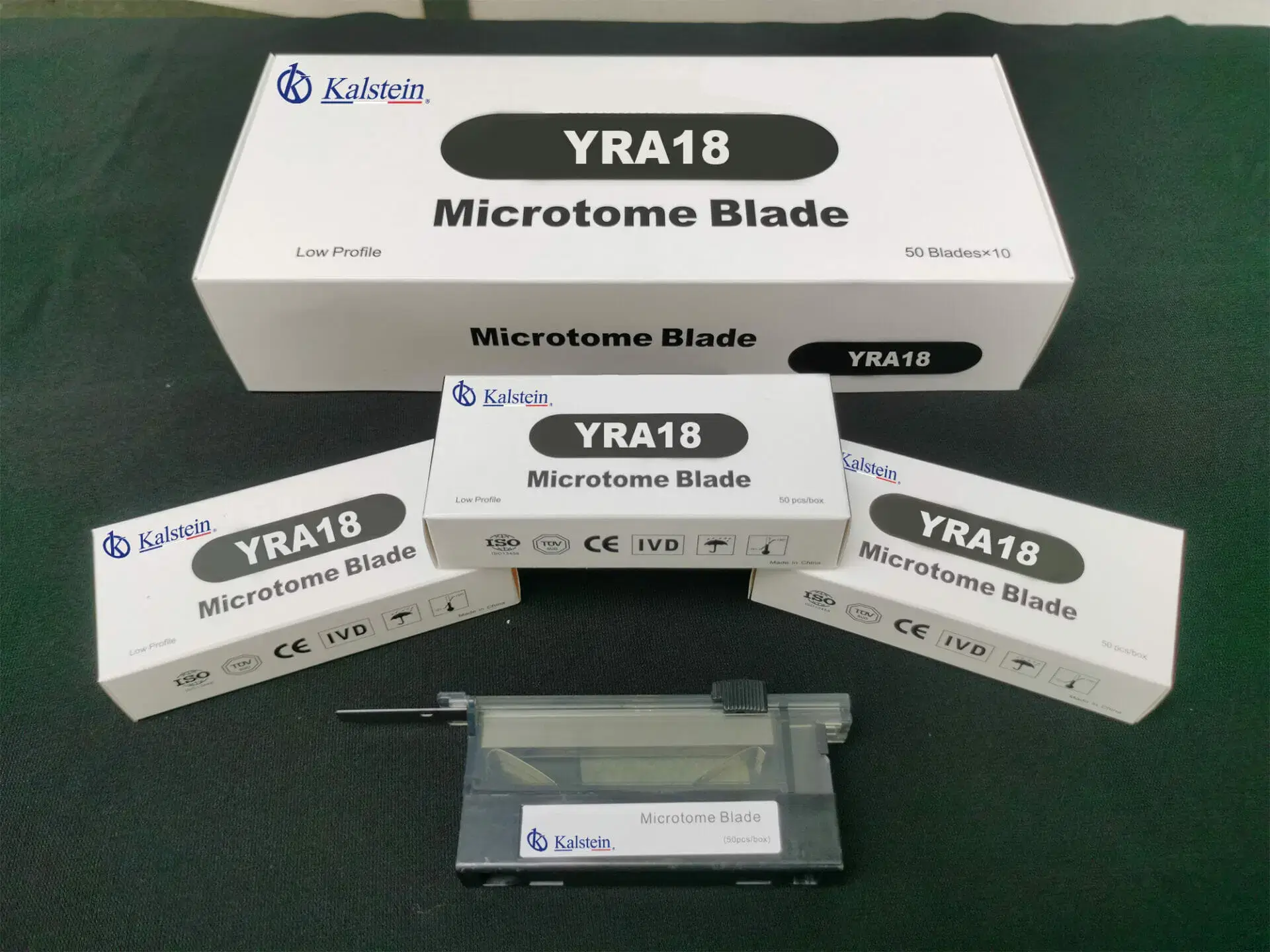
| YRA18-1 | Disposable microtome blade (Low profile) | Routine histopathological procedures | 10000.00 |
| YRA19-1 | Disposable microtome blade (High profile) | Detailed sample sectioning | 1600.00 |
| YRA20-1 | Tissue embedding cassette | Embedding samples for processing | 252.00 |
| YRA21-1 | Plastic cassette with plastic cover | Sample preservation | 144.00 |
| YRA33-2 | Paraffin block | Sample preparation and storage | 60.00 |
| YRA33-3 | Granular paraffin | Embedding tissue for microtome use | 60.00 |
Common Mistakes and How to Avoid Them
Laboratory professionals often overlook essential biosafety protocols, leading to potential risks. A common mistake is inadequate training on PPE, where personnel might not wear the right protective gear or fail to use it consistently. This can easily be rectified by implementing comprehensive training programs that reinforce the importance of PPE and proper laboratory techniques.
Another frequent oversight is neglecting regular maintenance of equipment, such as microtomes and embedding cassettes. Regular checks and calibrations ensure optimal performance, reducing the risk of contamination during sample preparation. Establishing a standard operating procedure (SOP) for equipment maintenance can help mitigate these issues effectively.
Frequently Asked Questions
What biosafety level is required for histopathology labs handling human samples?
Histopathology labs typically operate at Biosafety Level 2 (BSL-2), which governs handling human samples. This level requires specific PPE such as gloves and lab coats, ensuring operators are protected from potential exposure to infectious agents present in the samples.
How can histopathology labs ensure compliance with biosafety regulations?
Compliance with biosafety regulations can be achieved by adhering to established protocols, maintaining proper documentation, and conducting regular training for all personnel. Implementing SOPs that detail the use of equipment like the YRA19-1 Disposable microtome blade ensures consistent safety practices.
What decontamination protocols should be followed in histopathology labs?
In histopathology labs, surfaces and equipment should be cleaned with EPA-approved disinfectants after each use. Regularly scheduled deep cleanings and immediate attention to spills are essential to minimize risks associated with biological materials.
Which PPE is essential for histopathology lab technicians?
PPE for histopathology lab technicians includes gloves, lab coats, goggles, and face shields. This safety gear protects against exposure to hazardous materials, particularly when handling samples treated with fixatives and stains.
What are the risks of improper sample handling in histopathology?
Improper sample handling can lead to contamination, inaccurate results, and increased risks of exposure to infectious agents. Using models like the YRA20-1 Tissue embedding cassette helps ensure proper preservation and minimizes handling errors.
How do I choose the right microtome blade for my histopathology laboratory?
Choosing the right microtome blade depends on the specific applications in your lab. For precise sectioning of delicate tissues, the YRA19-1 Disposable microtome blade (High profile) is recommended, while the YRA18-1 (Low profile) is optimal for routine tasks.
What should be included in a risk management plan for histopathology labs?
A risk management plan should include a detailed assessment of potential hazards, emergency procedures, PPE usage, and regular training sessions for staff. This ensures a proactive approach to safety in histopathology laboratories.
How can I obtain competitive quotes for histopathology consumables?
Requesting quotes for histopathology consumables can be done through specialized suppliers. When reaching out, specify your needs for items such as the YRA21-1 Plastic cassette with plastic cover to receive tailored pricing and availability.
If you are looking for a fusion of innovation and quality, you have come to the right place. At Kalstein, we offer you the luxury of exploring our exclusive catalog of laboratory equipment. We manufacture every device to the highest standards of excellence. Our intuitive and seamless online purchasing channels are designed for your convenience, securing the most competitive prices. Hesitate no longer — we bring science to life, it is time to become part of our community.