Biosafety Protocols and Safe Operator Handling: The 2026 Perspective
In the rapidly evolving landscape of laboratory operations, ensuring biosafety protocols and safe operator handling has never been more critical. As we move towards 2026, laboratories must adapt to stricter regulations, advancing technology, and a heightened emphasis on safety and effectiveness. This article delves into essential biosafety protocols, operator safety handling practices, and explores various laboratory microscope models that can enhance safety and compliance.
Understanding Biosafety Protocols for Operators
Biosafety protocols are guidelines designed to protect laboratory personnel, the environment, and the public from exposure to hazardous biological materials. These protocols categorize risks and establish containment levels as defined by Biosafety Level (BSL) standards, ranging from BSL-1 to BSL-4, depending on the nature of the materials being handled.
The implementation of these protocols includes the use of appropriate personal protective equipment (PPE), engineering controls, and administrative controls to mitigate risks during laboratory work. Operators must be trained to adhere to these protocols to ensure safety and compliance.
Personal Protective Equipment (PPE) Standards
To safeguard laboratory personnel effectively, proper PPE must be selected based on the specific biosafety level of the laboratory. This includes gloves, lab coats, face shields, and respiratory protection when necessary. Each piece of equipment plays a vital role in preventing exposure to hazardous biological agents.
For instance, in a BSL-2 laboratory, surgical masks may be adequate, while BSL-4 would require full-body suits with positive pressure respirators. Training in the proper use and disposal of PPE is essential to maintain laboratory safety.
Safe Handling Practices in the Laboratory
Safe handling practices involve techniques that minimize the risk of exposure and accidental release of hazardous materials. Key practices include proper labeling, maintaining clean workspaces, and following specific protocols for sample disposal.
Moreover, regular risk assessments are crucial to identify potential hazards and reinforce safe handling practices. By fostering a culture of safety, laboratories can significantly reduce incidents and enhance overall compliance with biosafety regulations.
Compliance with ISO Standards in Biosafety
The International Organization for Standardization (ISO) has established several standards that align with biosafety, including ISO 17025, which addresses the competence of testing and calibration laboratories. Compliance with these standards not only enhances laboratory credibility but also ensures that safety protocols are consistently followed.
Implementing a quality management system per ISO 17025 involves systematic procedures that assess risk management, document control, and corrective actions, thereby promoting laboratory safety and operational efficiency.
Comparison of Available Models
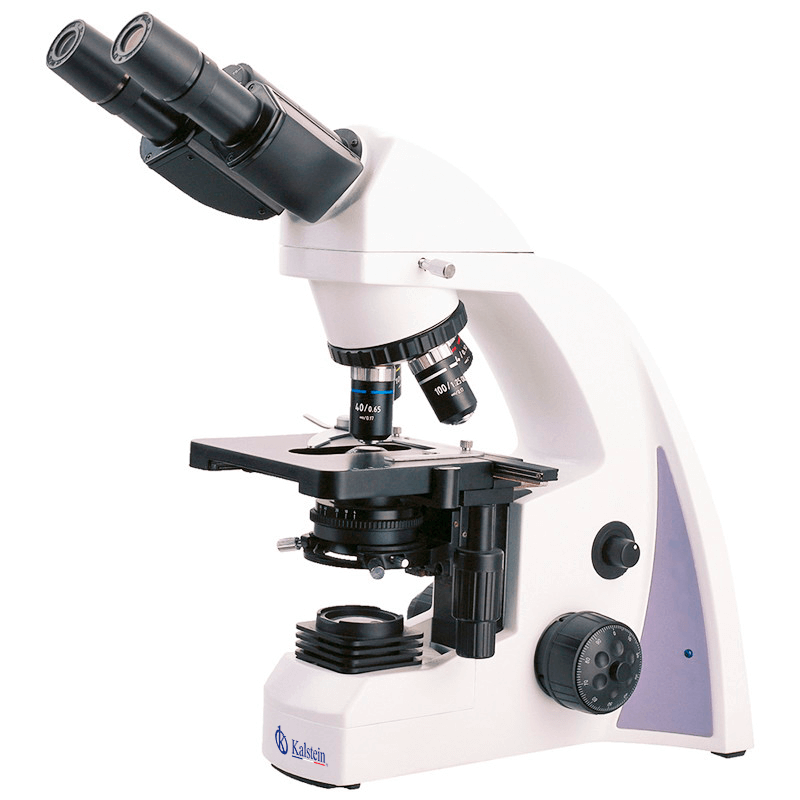
| Model Code | Specifications | Price (USD) | Best For |
|---|---|---|---|
| YR0237-0-1 | Binocular head, WF 10x/18 mm eyepieces, Infinity semi-plan achromatic objectives | 437.00 | General laboratory use |
| YR0237-1 | Binocular head, WF 10x/18 mm eyepieces, adjustable N.A. 1.25 condenser | 491.00 | Advanced microscopy applications |
| YR0237-1-1 | Binocular head, wide-field eyepieces, with a fine focusing knob | 448.10 | Microbiology labs |
| YR03731-1 | Fixed volume air displacement pipette, sterilizable at 121°C | 13.00 | Precision liquid handling |
| YR03731-2 | Air displacement pipette, ergonomic design, color-coded volumes | 13.00 | Research and academic labs |
Common Mistakes and How to Avoid Them
Laboratory personnel often fall into common pitfalls that compromise safety and compliance. One such mistake is the improper use of PPE, where operators may neglect to wear essential gear or fail to dispose of it correctly. To avoid such errors, regular training and a strict adherence to biosafety protocols are paramount.
Another common mistake involves overlooking the importance of regular maintenance and calibration of laboratory equipment. Implementing a consistent schedule for equipment checks ensures that devices operate within safe parameters, significantly reducing risks associated with malfunctioning tools.
Frequently Asked Questions
What are the essential biosafety protocols for laboratory personnel handling hazardous materials?
Essential biosafety protocols for laboratory personnel involve comprehensive training on PPE usage, adherence to BSL standards, and maintaining strict hygiene practices. Laboratory models like the YR0237-1 microscope, designed for advanced work, ensure operators can safely conduct experiments under these protocols.
How does the use of PPE impact laboratory safety and compliance?
The use of PPE directly impacts laboratory safety by providing a protective barrier against hazardous materials. Proper training in PPE use is crucial, especially in environments utilizing advanced models like the YR0237-0-1 microscope, where exposure to biological agents may occur.
What ISO standards should laboratories comply with for biosafety?
Laboratories should comply with ISO 17025 to ensure operational competence and adherence to safety standards. This standard helps maintain quality assurance in labs using models like the YR0237-1-1 microscope, promoting improved safety and reliability during operations.
Which laboratory equipment is recommended for safe operator handling?
Recommended laboratory equipment for safe operator handling includes models with ergonomic designs and built-in safety features. The YR03731-1 pipette, for example, is designed for low operational force, making it user-friendly while ensuring precision in hazardous environments.
How can laboratories enhance compliance with biosafety regulations?
Laboratories can enhance compliance with biosafety regulations by implementing regular training sessions, performing routine audits, and ensuring all personnel are versed in the latest protocols. Utilizing compliant equipment such as the YR0237-1 microscope also supports adherence to biosafety standards.
What role does risk assessment play in laboratory safety?
Risk assessment is vital for identifying potential hazards and implementing mitigation strategies in laboratory settings. Regular evaluations help ensure that equipment like the YR03731-2 pipette is used safely, promoting adherence to established biosafety protocols.
Conclusion
In conclusion, biosafety protocols and safe operator handling are integral to maintaining a safe laboratory environment. As we progress towards 2026, laboratories must continue to adapt to evolving safety standards and best practices. By implementing effective training, utilizing compliant equipment, and fostering a culture of safety, laboratory personnel can significantly enhance their operational capabilities and safety outcomes.
If you are looking for a fusion of innovation and quality, you have come to the right place. At Kalstein, we offer you the luxury of exploring our exclusive catalog of laboratory equipment. We manufacture every device to the highest standards of excellence. Our intuitive and seamless online purchasing channels are designed for your convenience, securing the most competitive prices. Hesitate no longer — we bring science to life, it is time to become part of our community.