How to Ensure Biosafety Protocols with Oil Baths in Laboratory Settings
In laboratory environments, maintaining biosafety is a critical concern, especially when handling equipment like oil baths. These devices, widely used for temperature control in various applications, can pose risks if not managed properly. This article delves into biosafety protocols and safe operator handling practices when utilizing oil baths, particularly focusing on the latest protocols effective from the end of 2026.
The Importance of Biosafety in Laboratory Environments
Biosafety protocols are essential to prevent contamination and ensure the safety of laboratory personnel. Oil baths, such as the YR04973, YR04974, YR04975, and YR04976 models, provide precise temperature control crucial for experiments. However, improper handling can lead to spills, burns, or exposure to hazardous materials. Understanding the protocols can mitigate these risks.
Overview of Oil Baths
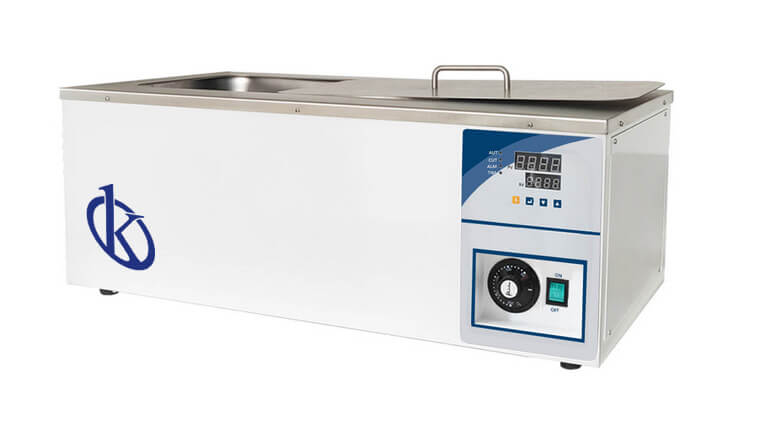
Oil baths are designed to maintain stable temperatures for various laboratory processes. Their applications range from bioengineering and medical research to food science and chemical industries. Each model in the YR series, such as YR04973 and YR04974, boasts features like a PID controller for rapid temperature increase and dual-use for water and oil, making them versatile for different laboratory needs.
Common Biosafety Risks Associated with Oil Baths
When working with oil baths, several biosafety risks may arise, including:
- Thermal Hazards: High temperatures can result in burns if proper PPE is not worn.
- Chemical Exposure: Oils and chemicals used can be toxic; thus, ventilation is crucial.
- Spills: Inadequate containment can lead to spills that may contaminate the workspace.
Essential Biosafety Protocols for Oil Baths
To ensure safety when using oil baths, laboratories should adhere to the following protocols:
- Personal Protective Equipment (PPE): Always wear appropriate gloves, goggles, and lab coats when handling oil baths.
- Regular Maintenance: Conduct routine checks on equipment to prevent leaks or malfunctions.
- Emergency Procedures: Establish clear emergency protocols for spills and accidents, including first aid measures.
Operator Training and Awareness
Proper training for laboratory personnel is vital for maintaining safety. Training sessions should cover:
- Correct Usage of Oil Baths: Demonstrate safe handling techniques for models like YR04975.
- Understanding Temperature Controls: Familiarize users with the PID controller features for precise temperature settings.
- Emergency Protocols: Educate staff on procedures to follow in case of accidents or spills.
Comparison of Available Models
| Model | Temperature Range (°C) | Power (W) | Features | Best For |
|---|---|---|---|---|
| YR04973 | RT +5~250 | 1000 | PID control, dual-use | Standard laboratory applications |
| YR04974 | RT +5~250 | 1200 | PID control, higher capacity | Food and chemical industries |
| YR04975 | RT +5~250 | 1600 | PID control, dual-use | Research applications |
| YR04976 | RT +5~250 | 2000 | PID control, highest capacity | Large-scale experimental setups |
Common Mistakes and How to Avoid Them
Laboratories often encounter issues when using oil baths, which can compromise safety and efficiency. Common mistakes include:
- Neglecting Maintenance: Regular checks on oil levels and equipment integrity are vital.
- Improper Temperature Settings: Ensure temperatures are set correctly to avoid overheating or underperformance.
- Lack of PPE: Always wear appropriate protective gear to prevent injuries.
Frequently Asked Questions
How can I ensure operator safety when using oil baths in my lab?
Operator safety can be ensured by implementing strict biosafety protocols, including proper PPE usage and regular equipment maintenance. Models like YR04973 provide advanced thermal regulation to minimize risks, making them suitable for various laboratory applications.
What are the typical temperature ranges for laboratory oil baths?
Laboratory oil baths, such as those in the YR series, typically operate within a temperature range of RT +5°C to 250°C. This range allows for precise temperature control necessary for many experimental procedures.
How often should oil baths be maintained to ensure safety?
Oil baths should undergo maintenance checks at least once a month, focusing on temperature calibration and inspecting for leaks. Regular maintenance can prevent accidents and ensure compliance with safety regulations.
What are the risks of improper use of oil baths in laboratories?
Improper use of oil baths can lead to thermal burns, chemical exposure, or spills that contaminate the workspace. Implementing biosafety protocols and using models like YR04975 can help mitigate these risks.
Which oil bath model is best for chemical testing?
The YR04974 model is highly recommended for chemical testing due to its enhanced heating capacity of 1200W and dual-use feature, allowing for both water and oil applications, which is crucial for diverse chemical processes.
How can I train my staff on oil bath safety protocols?
Train your staff by organizing hands-on workshops focusing on the specific safety protocols for oil baths, such as those applicable to the YR04976 model, which includes demonstrations of safe handling and emergency response procedures.
What should I do in case of an oil bath spill?
In the event of an oil bath spill, follow the emergency protocols established in your laboratory, which should include immediate containment of the spill, notification of safety officers, and clean-up procedures to prevent contamination and accidents.
How do I choose an oil bath for my specific laboratory needs?
Choosing an oil bath involves evaluating your specific laboratory needs, including temperature range, volume capacity, and safety features. Models like YR04973 and YR04976 offer various options depending on your application requirements and budget.
If you are looking for a fusion of innovation and quality, you have come to the right place. At Kalstein, we offer you the luxury of exploring our exclusive catalog of laboratory equipment. We manufacture every device to the highest standards of excellence. Our intuitive and seamless online purchasing channels are designed for your convenience, securing the most competitive prices. Hesitate no longer — we bring science to life, it is time to become part of our community.