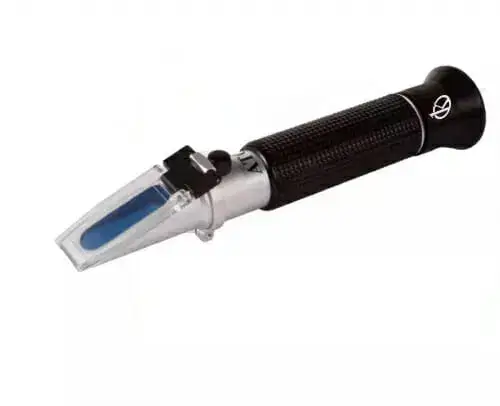
Ensuring Biosafety Protocols in the Use of Honey Refractometers
In laboratory settings, especially those dealing with food analysis, maintaining biosafety protocols is crucial to ensure the protection of operators and the integrity of the results. Honey refractometers are vital instruments used to measure sugar concentrations in honey and related products. This article delves into the importance of biosafety protocols specific to honey refractometers, ensuring safe operational practices while maximizing the effectiveness of these tools.
Understanding the Role of Honey Refractometers in Laboratories
Honey refractometers are designed to assess the sugar content in honey, jelly, syrup, and similar substances. Their primary function is to aid in monitoring and controlling sugar concentrations in food and beverages, which is crucial for quality assurance. Additionally, they help determine the maturity of fruits in agricultural practices. Each model serves specific purposes, making it essential to understand their functionalities within the context of safe laboratory operations.
Importance of Biosafety Protocols
Biosafety protocols are essential in any laboratory setting, particularly where food products are analyzed. They help mitigate risks associated with exposure to potential biological hazards. In the case of honey refractometers, these protocols ensure that operators are not only safe but also that the results obtained from these instruments are reliable and reproducible.
Key Biosafety Protocols for Honey Refractometers
Implementing key biosafety protocols when using honey refractometers can significantly enhance safety standards:
- Personal Protective Equipment (PPE): Always wear appropriate PPE, including gloves, lab coats, and safety goggles when handling samples.
- Sample Handling: Use sterile techniques when collecting and preparing samples to avoid contamination.
- Equipment Maintenance: Regularly clean and calibrate refractometers to prevent cross-contamination and ensure accurate readings.
- Training and Awareness: Provide comprehensive training for staff on biosafety measures related to the use of refractometers.
Common Hazards Associated with Honey Refractometer Use
Despite their usefulness, honey refractometers can pose hazards if not handled correctly. Common risks include:
- Chemical Exposure: Exposure to cleaning agents or reagents can occur during maintenance and calibration.
- Biological Hazards: Improper handling of honey or other organic materials can lead to exposure to microbial contaminants.
Comparison of Available Models
| Model Code | Measurement Range | Min. Division | Precision | Material |
|---|---|---|---|---|
| YR05885 | 58-92% Brix, 38-43 Be’, 12-27% water | 0.50% Brix | ±0.5% Brix, ±0.5 Be’, ±1% water | Pure aluminum |
| YR05885-1 | 58-92% Brix, 38-43 Be’, 12-27% water | 0.50% Brix | ±0.5% Brix, ±0.5 Be’, ±1% water | Pure aluminum |
| YR05885-2 | 58-92% Brix, 38-43 Be’, 12-27% water | 0.50% Brix | ±0.5% Brix, ±0.5 Be’, ±1% water | Pure aluminum |
| YR05886 | 10%-30% water | 0.10% water | ±0.10% water | Pure aluminum |
Common Mistakes and How to Avoid Them
When applying biosafety protocols with honey refractometers, several common mistakes can jeopardize safety and data integrity:
- Neglecting PPE: Always ensure that appropriate PPE is worn to prevent exposure.
- Inadequate Calibration: Regularly calibrate refractometers to maintain accuracy. Failure to do so can lead to unreliable results.
- Improper Sample Storage: Samples should be stored correctly to avoid degradation or contamination.
Frequently Asked Questions
What are the biosafety measures for using honey refractometers in labs?
Implementing biosafety measures such as wearing PPE, using sterile techniques, and maintaining clean equipment is crucial when using models like YR05885. This ensures operator safety and accuracy in results.
How do I ensure accurate readings with honey refractometers?
To ensure accuracy with models like YR05886, regular calibration and cleaning are vital. This helps prevent cross-contamination and ensures reliable measurements.
Which honey refractometer model is best for measuring high sugar concentrations?
The YR05885 model is ideal for measuring high sugar concentrations due to its range of 58-92% Brix, making it perfect for honey analysis while following biosafety protocols.
What personal protective equipment should be used with honey refractometers?
When using honey refractometers like YR05885-1, it is essential to wear gloves, lab coats, and safety goggles to protect against potential chemical exposure during sample testing.
How often should honey refractometers be calibrated for safety?
Calibration should be performed regularly, ideally after every 20 uses or when changing sample types to maintain accuracy and uphold safety standards in laboratories using models like YR05885-2.
What are the risks of improper sample handling with honey refractometers?
Improper sample handling can lead to contamination and misleading results. Using models like YR05886 under strict biosafety protocols minimizes these risks significantly.
Which biosafety protocols are specific to honey refractometers?
Specific biosafety protocols include using PPE, maintaining sterile techniques when handling samples, and proper equipment cleaning to ensure safe operation and accuracy in measurements with models like YR05885.
How can I improve laboratory safety when using honey refractometers?
Improving lab safety involves comprehensive training for staff on biosafety protocols, regular equipment maintenance, and strict adherence to PPE usage when handling models like YR05885-1.
If you are looking for a fusion of innovation and quality, you have come to the right place. At Kalstein, we offer you the luxury of exploring our exclusive catalog of laboratory equipment. We manufacture every device to the highest standards of excellence. Our intuitive and seamless online purchasing channels are designed for your convenience, securing the most competitive prices. Hesitate no longer — we bring science to life, it is time to become part of our community.