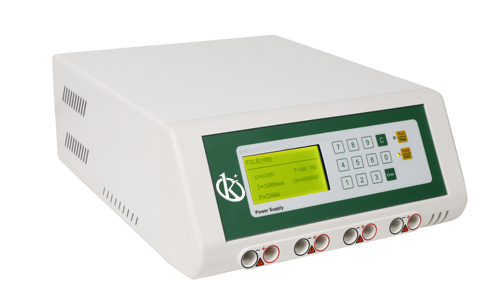
Best Practices for Biosafety Protocols and Safe Operator Management in High-Voltage Power Supply Operations
In laboratory environments that involve high-voltage power supplies, such as the High Voltage Power Supply YR03409, YR03408, YR03405, YR03406, and YR03407, maintaining strict biosafety protocols is crucial. These protocols not only protect the operator but also ensure compliance with current safety standards. This article delves into essential biosafety measures and operator management strategies tailored for high-voltage power supply operations.
Understanding Biosafety Protocols in High-Voltage Power Supply Operations
Biosafety protocols are designed to minimize risks associated with hazardous materials and high-energy environments. When working with high-voltage power supplies, adherence to these protocols becomes essential. Key aspects include risk assessment, personal protective equipment (PPE), and emergency response plans. The operator's safety is paramount, especially when handling equipment such as the High Voltage Power Supply YR03406.
Importance of Personal Protective Equipment (PPE)
Personal Protective Equipment (PPE) plays a vital role in ensuring operator safety in high-voltage environments. Workers should wear insulated gloves, safety goggles, and protective clothing to mitigate the risk of electrical shock. For instance, the High Voltage Power Supply YR03407 is designed with user safety in mind, incorporating features that reduce operator exposure to high-voltage hazards. The appropriate PPE should be tailored to the specific requirements of each high-voltage supply model.
Emergency Response Plans for High-Voltage Work
Establishing an emergency response plan is critical in high-voltage laboratories. This plan should outline procedures for dealing with electrical emergencies, such as short circuits or equipment failures. Operators must be trained in these procedures, which can be supported by the intelligent control features found in models like the High Voltage Power Supply YR03409. Regular drills and training sessions should be conducted to ensure that all personnel understand their roles during an emergency.
Risk Assessment and Management Strategies
A comprehensive risk assessment should be conducted for all high-voltage power supply operations. This involves identifying potential hazards, evaluating their severity, and implementing control measures. Each model, such as YR03408 and YR03406, offers specific features that can assist in risk management, including overload protection and automatic fault detection. Maintaining detailed records of these assessments helps ensure ongoing compliance with safety regulations.
Comparison of Available Models
| Model | Output Range | Best For | Key Features | Price (USD) |
|---|---|---|---|---|
| YR03409 | 20–3000 V, 1–200 mA, 1–200 W | Advanced electrophoresis applications | Automatic fault detection, temperature control, memory function | 1105.80 |
| YR03408 | 20–5000 V, 1–200 mA, 1–100 W | High-performance research facilities | Step control, memory storage, real-time tuning | 1475.00 |
| YR03405 | 10–600 V, 1–500 mA, 1–300 W | Versatile laboratory setups | Step control, automatic memory, LCD display | 967.20 |
| YR03406 | 20–1600 V, 1–100 mA, 1–160 W | Field applications requiring portability | Control step, pause functionality, user-friendly operation | 552.00 |
| YR03407 | 20–3000 V, 1–400 mA, 1–400 W | High-throughput laboratories | Step control, automatic memory, robust design | 1383.00 |
Common Mistakes and How to Avoid Them
When working with high-voltage power supplies, mistakes can lead to severe consequences. Common errors include improper handling of equipment, failure to use PPE, and inadequate training on emergency procedures. To avoid these pitfalls, laboratories should implement regular training sessions, review operational protocols, and conduct safety audits. Ensuring that operators are familiar with the features of the equipment, such as those found in the High Voltage Power Supply YR03409, can significantly reduce the risk of accidents.
Frequently Asked Questions
What are the essential biosafety protocols for high-voltage power supply operations?
Essential biosafety protocols include risk assessments, personal protective equipment (PPE) usage, and emergency response plans tailored for high-voltage environments. Equipment like the High Voltage Power Supply YR03406 is designed with safety features that align with these protocols.
How can PPE reduce risks when using high-voltage power supplies?
PPE is crucial in protecting operators from electrical shock and other hazards associated with high-voltage power supplies. For instance, wearing insulated gloves and goggles while operating units like the High Voltage Power Supply YR03407 can significantly mitigate risk.
What role does an emergency response plan play in high-voltage labs?
An emergency response plan outlines procedures to follow during electrical emergencies, ensuring that all staff are prepared. Regular training and familiarization with equipment such as the High Voltage Power Supply YR03408 help reinforce safety protocols.
How often should risk assessments be conducted in high-voltage environments?
Risk assessments should be conducted regularly, ideally quarterly, to identify hazards and implement control measures. Equipment like the High Voltage Power Supply YR03409 can assist in maintaining safety standards during these assessments.
What features should I look for in a high-voltage power supply?
Essential features include output range, automatic fault detection, and user-friendly controls. Models like the High Voltage Power Supply YR03405 offer advanced control options that enhance safety and usability.
How can training improve operator safety in high-voltage settings?
Training ensures that operators are familiar with equipment and safety protocols, which can lead to a significant reduction in accidents. Familiarity with models such as the YR03406 helps operators effectively manage high-voltage operations.
Why is it important to document safety protocols in high-voltage labs?
Documenting safety protocols helps ensure compliance with regulatory standards and provides a reference for training. Using equipment like the High Voltage Power Supply YR03408 facilitates adherence to documented safety measures.
What are the consequences of neglecting biosafety protocols in high-voltage operations?
Neglecting biosafety protocols can lead to severe accidents, including electrical injuries or equipment damage. Following established protocols when using units like the High Voltage Power Supply YR03407 is essential for maintaining a safe working environment.
If you are looking for a fusion of innovation and quality, you have come to the right place. At Kalstein, we offer you the luxury of exploring our exclusive catalog of laboratory equipment. We manufacture every device to the highest standards of excellence. Our intuitive and seamless online purchasing channels are designed for your convenience, securing the most competitive prices. Hesitate no longer — we bring science to life, it is time to become part of our community.