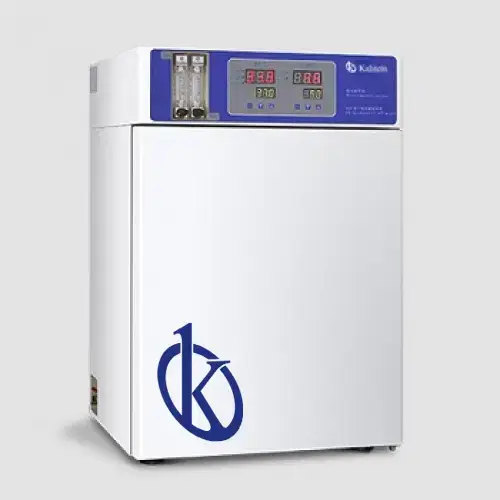
Ensuring Biosafety Protocols in CO₂ Incubators: Best Practices for Operator Safety
In the modern laboratory, the importance of biosafety cannot be overstated, particularly in environments where CO₂ incubators are employed for critical applications like cell culture and microbiological research. As we delve into the biosafety protocols tailored for CO₂ incubators, we will explore how these protocols ensure the safety of operators and maintain the integrity of sensitive biological experiments. This article will also compare various models of CO₂ incubators based on their compliance with biosafety standards and operator protection features, ensuring a comprehensive understanding of their capabilities.
Understanding Biosafety in the Context of CO₂ Incubators
Biosafety is a set of principles and practices designed to prevent the exposure of laboratory personnel to potentially infectious materials. In the context of CO₂ incubators, which are essential for growing cells and tissues under controlled conditions, the importance of adhering to biosafety protocols becomes paramount. Each model of CO₂ incubator comes with specific features that can either enhance or impair safety depending on how they are utilized.
Key Biosafety Protocols for CO₂ Incubators
Implementing effective biosafety protocols requires a multi-faceted approach. Here are key protocols that should be integrated into the operation of CO₂ incubators:
- Personal Protective Equipment (PPE): Ensure that all personnel wear appropriate PPE, including gloves, lab coats, and face protection to minimize contamination risks.
- Proper Training: All users must undergo training on biosafety practices and the specific operational protocols of the incubator model in use.
- Regular Maintenance: Conduct regular maintenance checks to ensure all CO₂ incubators function optimally, reducing risks associated with malfunctioning equipment.
- Aerosol Containment: Utilize incubators equipped with features that minimize aerosol generation during opening, such as UV sterilization and HEPA filtration systems.
- Decontamination Protocols: Establish stringent decontamination protocols for surfaces and equipment to help prevent cross-contamination between experiments.
Models of CO₂ Incubators: A Comparative Analysis
In the following section, we will analyze various models of CO₂ incubators, focusing on their biosafety features.
| Model | Temperature Range (℃) | CO₂ Control Range (%) | Key Biosafety Features | Best Use Case |
|---|---|---|---|---|
| YR02048 | RT + 5 ~ 60 | 0 ~ 20 | UV sterilization lamp, glass door, microprocessor control | Cell culture and microbiological research |
| YR02049 | RT + 5 ~ 60 | 0 ~ 20 | UV sterilization lamp, reinforced glass door | Oncology and genetics studies |
| YR02049-1 | RT + 5 ~ 55 | 0 ~ 20 | IR CO₂ sensor, forced convection, decontamination features | Pathological research and life sciences |
Common Mistakes and How to Avoid Them
When utilizing CO₂ incubators, it is crucial to avoid common pitfalls that can compromise biosafety:
- Neglecting Equipment Calibration: Regular calibration of temperature and CO₂ sensors is essential to ensure accuracy in experimental conditions.
- Inadequate Training: Failing to train operators on the specific features of the incubator can lead to misuse and contamination risks.
- Ignoring Maintenance Protocols: Routine maintenance checks are vital for ensuring all biosafety features are functioning correctly.
- Overcrowding Samples: Avoid overcrowding the incubator, as this can impede air circulation and increase contamination risk.
Frequently Asked Questions
What are the biosafety features of the CO₂ Incubator YR02048?
The CO₂ Incubator YR02048 features a built-in UV sterilization lamp and a glass door that facilitates monitoring while maintaining a sterile environment. Its microprocessor control ensures a stable temperature, critical for biosafety in cell cultures.
How does the CO₂ Incubator YR02049 ensure operator protection?
The CO₂ Incubator YR02049 is equipped with a UV sterilization lamp and a reinforced glass door. These features help in maintaining a sterile environment while protecting operators from potential hazards during sample handling.
Which CO₂ incubator is best for microbiological research?
The CO₂ Incubator YR02049-1 is ideal for microbiological research as it utilizes an IR CO₂ sensor for precise control and includes decontamination features to prevent contamination across experiments.
How often should CO₂ incubators be calibrated for biosafety?
CO₂ incubators such as the YR02048 should be calibrated at least once every six months to ensure accurate temperature and CO₂ levels, which are critical for maintaining biosafety standards.
What are the PPE requirements for using CO₂ incubators?
When using CO₂ incubators, personnel should wear gloves, lab coats, and face protection to minimize exposure to potentially harmful biological materials and maintain a safe laboratory environment.
How can proper training improve safety with CO₂ incubators?
Proper training on the operation of CO₂ incubators, like the YR02049, helps users understand the biosafety features and protocols, reducing the risk of contamination and enhancing operator safety.
What maintenance tasks are essential for CO₂ incubators?
Essential maintenance tasks for CO₂ incubators include regular calibration of sensors, cleaning of internal surfaces, and checking the functionality of biosafety features like UV sterilization to ensure optimal performance.
What role does decontamination play in CO₂ incubator use?
Decontamination is critical in CO₂ incubator use as it prevents cross-contamination between experiments. Incubators equipped with UV lamps, such as the YR02049-1, enhance this safety protocol significantly.
If you are looking for a fusion of innovation and quality, you have come to the right place. At Kalstein, we offer you the luxury of exploring our exclusive catalog of laboratory equipment. We manufacture every device to the highest standards of excellence. Our intuitive and seamless online purchasing channels are designed for your convenience, securing the most competitive prices. Hesitate no longer — we bring science to life, it is time to become part of our community.