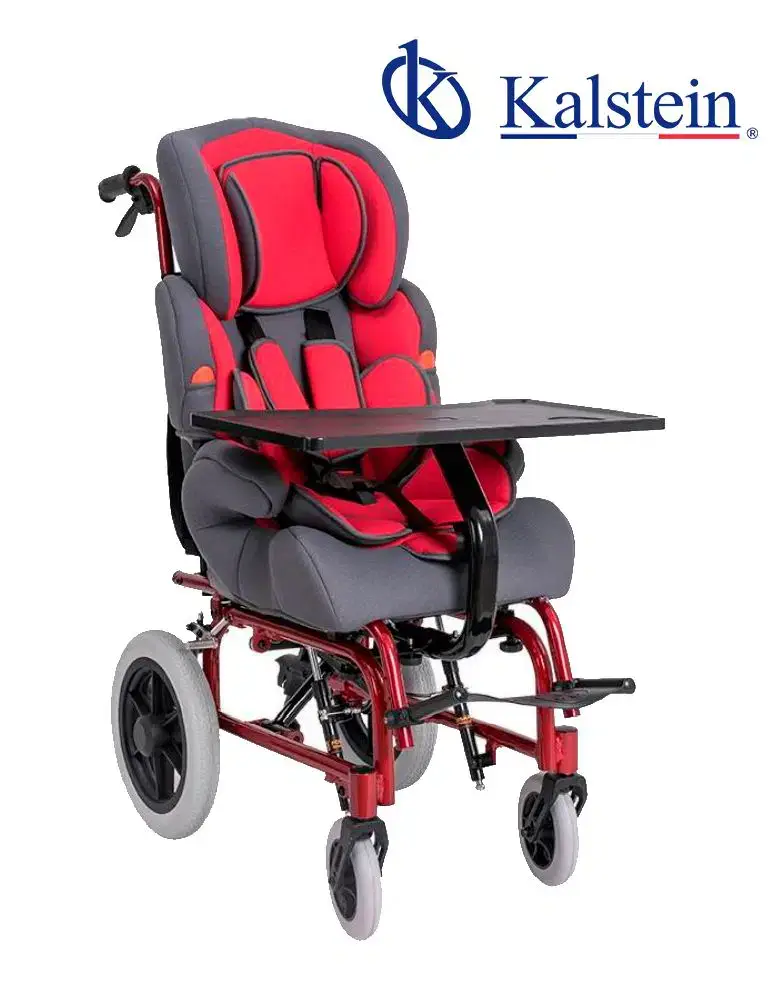
Biosafety Protocols and Safe Operator Management in Children's Wheelchairs
The safety of children who require mobility assistance through wheelchairs is paramount, especially in medical and therapeutic settings. This article focuses on essential biosafety protocols and operator management practices tailored to the different models of Children's Wheelchairs. Understanding how to safely operate these wheelchairs while ensuring the well-being of both the child and the operator is vital for healthcare professionals.
Understanding Biosafety Protocols in Pediatric Mobility Devices
Biosafety protocols encompass guidelines and procedures to minimize risks associated with exposure to potentially harmful biological agents. In the context of children's wheelchairs, this includes ensuring cleanliness, proper maintenance, and safe operation. Regular cleaning and disinfection protocols must be strictly followed, especially in settings where children are susceptible to infections. For instance, using materials that are easy to sanitize can help maintain a safe environment.
Comparison of Available Models
| Model | Best for | Weight Capacity (kg) | Weight (kg) | Seat Width (cm) |
|---|---|---|---|---|
| YR05459 | General use | 75 | 17.4 | 30 |
| YR05460 | Eating and mobility | 75 | 18 | 42 |
| YR05457 | General use | 100 | 21.5 | 38 |
| YR05458 | General use | 100 | 21.5 | 38 |
| YR06611 | Cerebral Palsy | 75 | 20 | 34 |
Key Safety Features in Children's Wheelchairs
When selecting a wheelchair for children, several safety features should be prioritized based on biosafety protocols. For instance, the YR05459 model includes a one-piece Oxford fabric back cushion with a butterfly safety belt and double brake system, ensuring the child is securely seated during transport. Such features are essential in reducing the risk of accidents and promoting safe handling by operators.
Operational Training and Protocol Compliance
Operators must undergo specific training to handle pediatric wheelchairs effectively. This training emphasizes not just the operational aspects but also the biosafety protocols. For example, operators of the YR06611 model, designed specifically for children with cerebral palsy, need to understand how to adjust the chair's reclining mechanisms while ensuring the child’s safety throughout the procedure.
Common Mistakes and How to Avoid Them
Common mistakes in operating children's wheelchairs often stem from a lack of awareness regarding safety protocols. One prevalent error is neglecting to secure the safety belts properly. Operators should routinely check that all safety features are functioning before use. By prioritizing training and adherence to safety standards, such mistakes can be mitigated, ensuring the well-being of the child.
Protection Equipment for Operators
In addition to the safety features built into children's wheelchairs, operators should be equipped with appropriate personal protective equipment (PPE). This is particularly important in clinical settings where exposure to bodily fluids or infectious materials might occur. Wearing gloves and masks while assisting children can significantly reduce the risk of contamination.
Regular Maintenance and Inspection
Regular maintenance of children's wheelchairs is crucial for ensuring they remain safe to use. This includes checking the brakes, wheels, and safety belts for wear and tear. For instance, the YR05460 model's adjustable footrests and armrests should be inspected to ensure they function properly, providing comfort and security for the child.
Frequently Asked Questions
What are the biosafety protocols for children's wheelchairs in hospitals?
Biosafety protocols for children's wheelchairs, such as the YR05459, include regular disinfection and inspection of safety features to prevent contamination and ensure child safety during transport.
How can operators ensure safe handling of children’s wheelchairs?
Operators can ensure safety by undergoing proper training, using appropriate PPE, and following manufacturer guidelines for models like YR06611 to enhance safety and compliance.
What maintenance is required for children's wheelchairs to ensure biosafety?
Regular maintenance involves inspecting brakes, wheels, and safety belts. For example, the YR05458 requires checks for all its adjustable features to ensure maximum safety.
Why is operator training critical in managing children's wheelchairs?
Operator training is vital for understanding safety mechanisms and biosafety protocols, particularly with specialized models like YR05460, ensuring effective and safe operation.
What personal protective equipment should operators use with children's wheelchairs?
Operators should use gloves and masks to protect against potential contaminants when handling children’s wheelchairs, especially in healthcare settings.
How do safety features in children’s wheelchairs enhance biosafety measures?
Safety features like integrated safety belts in models such as YR05457 help minimize the risk of accidents, ensuring children remain securely seated and protected during use.
What common mistakes should be avoided when using children’s wheelchairs?
Common mistakes include failing to secure safety belts and overlooking routine maintenance checks, which can compromise the safety of children using the wheelchairs.
How often should children’s wheelchairs be inspected for safety compliance?
Children’s wheelchairs should be inspected regularly, ideally before each use, to ensure all safety features, especially in models like YR06611, are functioning properly.
If you are looking for a fusion of innovation and quality, you have come to the right place. At Kalstein, we offer you the luxury of exploring our exclusive catalog of laboratory equipment. We manufacture every device to the highest standards of excellence. Our intuitive and seamless online purchasing channels are designed for your convenience, securing the most competitive prices. Hesitate no longer — we bring science to life, it is time to become part of our community.