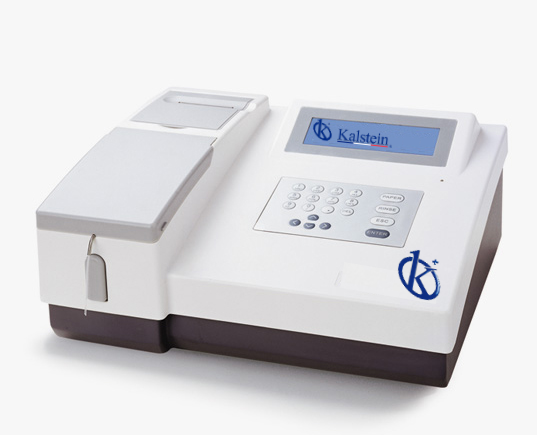
How to Ensure Biosafety Protocols and Safe Operator Handling in Chemical Analyzers?
In laboratory settings, safety protocols are paramount, especially when handling chemical analyzers. As we advance towards more complex testing environments, particularly with the introduction of new models, understanding and implementing effective biosafety protocols becomes crucial to protect operators and ensure accurate results. This article will explore the essential guidelines and techniques for maintaining biosafety while using various chemical analyzers.
Understanding Biosafety Levels in Laboratory Environments
Biosafety levels (BSL) are critical in determining the type of safety protocols necessary for different laboratory environments. Laboratories are assigned BSL ranging from BSL-1 to BSL-4, based on their work's risk level. BSL-1 laboratories can work with non-pathogenic organisms, while BSL-4 requires strict controls for handling dangerous pathogens. Each level dictates the required personal protective equipment (PPE), lab design, and operational procedures. For example, a BSL-2 laboratory typically requires gloves, lab coats, and eye protection when using chemical analyzers like the YR06075, which is designed for high-throughput testing and may handle infectious agents.
Essential Personal Protective Equipment (PPE) for Operators
Ensuring operator safety in handling chemical analyzers starts with the appropriate use of PPE. Operators should wear gloves, lab coats, and eye protection at a minimum. Additionally, if working with potentially hazardous chemicals or biological samples, respiratory protection may be required. Models like the YR05115 and YR05114, which provide semi-automatic functionality and require interaction with samples, emphasize the need for proper PPE to prevent exposure. Regular training sessions on PPE usage can also enhance safety in the lab.
Aerosol Containment and Decontamination Protocols
Aerosols generated during chemical analysis can pose significant health risks if not properly managed. Implementing aerosol containment devices, such as fume hoods or biosafety cabinets, is essential. Additionally, decontamination protocols must be established to ensure all surfaces are sanitized after use, particularly when utilizing chemical analyzers like the YR06078, which can produce aerosols during operation. Regular audits of decontamination procedures can help in maintaining a safe working environment.
Risk Assessment Matrices for Chemical Analyzer Usage
Conducting a risk assessment is vital for identifying potential hazards associated with chemical analyzers. A risk assessment matrix can help categorize risks based on their likelihood and potential impact. For instance, when operating the YR06092, a portable chemical analyzer, factors such as operator training, equipment maintenance, and chemical handling must be assessed. This proactive approach enables laboratories to implement measures to mitigate identified risks effectively.
Training and Competency Evaluations for Laboratory Personnel
Regular training on biosafety protocols and operational procedures is crucial for laboratory personnel. Competency evaluations should be conducted to ensure all staff members are adequately trained to handle chemical analyzers safely. Training should focus on specific models, such as the YR06075 with its advanced features, emphasizing their safe operation and maintenance. This not only enhances safety but also improves operational efficiency in laboratories.
Emergency Procedures and First Aid Plans
Laboratories must have clear emergency procedures in place for incidents involving chemical analyzers. This includes establishing first aid plans for chemical spills, exposure, or equipment malfunction. Operators should be trained in these emergency protocols to minimize injury and ensure prompt response to any incidents. Having protocols specifically tailored to the use of analyzers like the YR05116 can ensure quick action during an emergency, reducing the risk of serious injury.
Comparative Analysis of Available Chemical Analyzers
Understanding the technical capabilities of various chemical analyzers can help in selecting the right model suited for specific laboratory needs, while also ensuring compliance with biosafety protocols. Here’s a comparison of several models based on key specifications:
| Model | Type | Max Tests/Hour | Sample Volume (μL) | Best For |
|---|---|---|---|---|
| YR05115 | Semi-Automatic | 80 | 500-3000 | Medium throughput |
| YR05114 | Semi-Automatic | 80 | 500-3000 | Routine analysis |
| YR06092 | Portable | N/A | Varied | Field use |
| YR06075 | Automatic | 560 | ≥500 | High demand labs |
| YR05116 | Semi-Automatic | N/A | Varied | Customizable workflows |
| YR06078 | Semi-Automatic | N/A | 200-6000 | Versatile testing |
Common Mistakes and How to Avoid Them
Laboratories must be vigilant against common mistakes that can jeopardize safety and result accuracy. One common issue is inadequate training, leading to improper operation of chemical analyzers. To avoid this, regular training sessions and competency assessments should be scheduled. Another frequent mistake is neglecting maintenance schedules, which can affect performance and safety. Adhering to the manufacturer's maintenance guidelines for models like the YR06075 can help mitigate this risk.
Frequently Asked Questions
How can I ensure operator safety when using chemical analyzers in my lab?
Ensuring operator safety requires implementing comprehensive biosafety protocols, including proper PPE use and training. Operators using models like the YR06075 should be trained to handle hazardous materials safely and follow strict decontamination procedures.
What are the key biosafety protocols for handling semi-automatic chemistry analyzers?
Key biosafety protocols include using appropriate PPE, conducting regular training, and implementing decontamination measures. For example, operators handling the YR05114 should ensure strict adherence to these protocols to minimize exposure risks.
Which chemical analyzer model provides the best operator protection features?
The YR06078 offers advanced features and protocols that prioritize operator safety, including real-time monitoring systems and a robust decontamination process, making it a top choice for ensuring operator protection.
What training should laboratory personnel receive for chemical analyzers?
Laboratory personnel should receive training on biosafety protocols, equipment operation, and emergency procedures. Training for models like the YR05115 should focus on handling chemicals safely and understanding equipment features.
How do I implement risk assessment matrices in my laboratory?
Risk assessment matrices can be implemented by identifying potential hazards associated with each chemical analyzer model, such as the YR06092, and categorizing them based on likelihood and severity to enhance safety measures.
What are effective decontamination protocols after using chemical analyzers?
Effective decontamination protocols include cleaning all surfaces and equipment after use, especially for models like the YR06078 that may produce aerosols. Regular audits of decontamination processes are also crucial.
How often should I conduct maintenance on chemical analyzers?
Maintenance schedules should follow manufacturer recommendations. For instance, models like the YR06075 require regular servicing to ensure optimal performance and adherence to safety standards in laboratory settings.
What is the cost of implementing biosafety protocols in my laboratory?
The cost of implementing biosafety protocols can vary significantly depending on the laboratory size and equipment. Investing in safety training, PPE, and safety equipment for models like the YR05116 is essential for ensuring compliance and safety.
If you are looking for a fusion of innovation and quality, you have come to the right place. At Kalstein, we offer you the luxury of exploring our exclusive catalog of laboratory equipment. We manufacture every device to the highest standards of excellence. Our intuitive and seamless online purchasing channels are designed for your convenience, securing the most competitive prices. Hesitate no longer — we bring science to life, it is time to become part of our community.