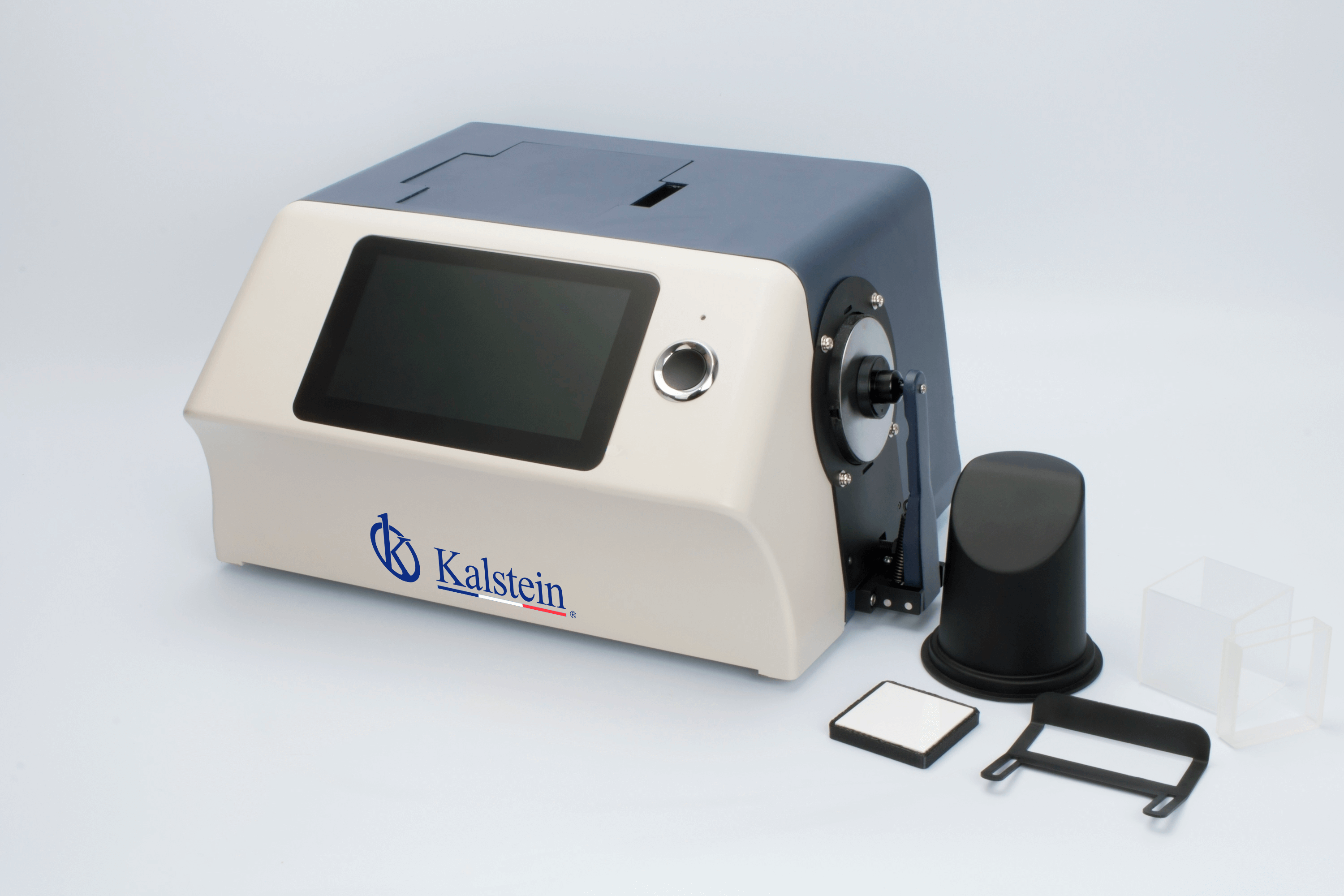
Ensuring Biosafety Protocols and Safe Operator Management for Benchtop Spectrophotometers
In laboratory settings, the safety of operators and compliance with biosafety protocols are paramount, especially when using complex instruments like benchtop spectrophotometers. These devices, which play a crucial role in color analysis and measurement, pose unique challenges and risks. Understanding the biosafety standards and implementing effective operator management strategies is vital for maintaining a secure laboratory environment.
Understanding Biosafety Levels and Risk Assessment
Biosafety levels (BSL) categorize laboratories based on the risk associated with the agents they handle. Benchtop spectrophotometers, while primarily analytical tools, can involve hazardous materials or samples. Therefore, a thorough risk assessment should be conducted to determine the appropriate BSL for each laboratory setup. BSL-1 is suitable for handling non-pathogenic organisms, while BSL-2 is applicable when working with moderate-risk agents. It's essential to ensure that all operators are aware of these classifications and the necessary precautions to take.
Personal Protective Equipment (PPE) Essentials
Implementing the right personal protective equipment (PPE) is crucial in protecting laboratory personnel from potential hazards while operating benchtop spectrophotometers. Gloves, lab coats, and goggles should be mandatory for all personnel. Additionally, depending on the materials being analyzed, face shields or respirators may be required. Training operators on the correct use of PPE and ensuring compliance is a critical part of laboratory safety management.
Decontamination Protocols for Safe Operation
Establishing decontamination protocols is essential in minimizing the risk of exposure to hazardous materials. When using benchtop spectrophotometers, operators should be trained in effective cleaning and decontamination procedures. This includes using appropriate cleaning agents and ensuring that all surfaces and equipment are free of biological contamination. Regular cleaning schedules should be implemented to maintain a safe working environment.
Training and Procedures for Laboratory Staff
Comprehensive training is a vital component of safe laboratory operations. All staff should receive training in biosafety protocols relevant to their work with benchtop spectrophotometers. This includes understanding the hazards associated with specific materials, safe handling techniques, and emergency response procedures. Regular refresher training and updates regarding new biosafety regulations can help sustain a culture of safety within the laboratory.
Model Comparison: Biosafety Features of Benchtop Spectrophotometers
When selecting a benchtop spectrophotometer, it's important to consider how each model aligns with biosafety protocols. Below is a comparison of key models and their biosafety features.
| Model | Safety Features | Best For |
|---|---|---|
| YR05474 | Touchscreen with safety lock; UV filter | R&D labs handling UV-sensitive samples |
| YR05475 | Advanced software for safety alerts | Color analysis in medium-risk environments |
| YR05476 | Robust housing, UV protection | Laboratories needing high reliability |
| YR05477 | Integrated safety protocols in software | General testing environments |
| YR05478 | Temperature monitoring for safety | Color analysis in quality control |
| YR05482 | Non-contact measurement for safety | Food and cosmetic testing |
Common Mistakes and How to Avoid Them
Laboratories often encounter pitfalls in biosafety protocol implementation. Common mistakes include inadequate PPE, insufficient training, and neglecting decontamination protocols. To avoid these issues, ensure that all staff have access to the latest safety information and practice diligent maintenance of equipment. Regular audits and safety checks can help identify areas for improvement.
Comparison of Available Models
| Model | Price (USD) | Key Features | Best Use Case |
|---|---|---|---|
| YR05474 | 6430.00 | Stable color measurement, touchscreen | R&D environments |
| YR05475 | 4695.00 | Accurate color analysis, UV capabilities | Laboratories with UV applications |
| YR05476 | 6430.00 | High precision, large storage capacity | Quality control labs |
| YR05477 | 4695.00 | Versatile applications, user-friendly | General analysis |
| YR05478 | 4445.00 | Color difference formulas, temperature sensor | Textile and paint industries |
| YR05482 | 4950.00 | Non-contact measurement | Food safety and cosmetic testing |
Frequently Asked Questions
What are the biosafety protocols for using benchtop spectrophotometers in laboratories?
Biosafety protocols for using benchtop spectrophotometers include proper PPE usage, risk assessment for handling materials, and decontamination procedures. Models like YR05474 and YR05482 come equipped with safety features that support compliance with these protocols, ensuring a secure lab environment.
How can I ensure operator safety when using benchtop spectrophotometers?
To ensure operator safety, provide thorough training on biosafety protocols, enforce the use of PPE, and implement stringent decontamination practices. The YR05475 model aids in this by providing advanced safety alerts through its interface.
What kind of personal protective equipment is necessary for benchtop spectrophotometer use?
Personal protective equipment (PPE) necessary includes gloves, goggles, and lab coats. For specific analyses, additional equipment may be required. The YR05476 model facilitates safe operation by incorporating robust housing and UV protection.
How often should decontamination procedures be performed in laboratories?
Decontamination procedures should be performed regularly, particularly after using spectrophotometers for hazardous materials. Maintaining a strict schedule helps uphold safety standards, as shown in best practices for models like YR05477 and YR05478.
What training should laboratory staff receive regarding biosafety when using spectrophotometers?
Laboratory staff should receive training on risk assessment, PPE usage, and specific procedures related to using benchtop spectrophotometers. This knowledge is essential for safe practices in analyzing samples, especially with models like YR05482.
Which benchtop spectrophotometer models are best for handling hazardous materials?
Models like YR05474 and YR05475 are particularly suited for handling hazardous materials due to their advanced safety features and compliance with biosafety protocols, ensuring operator protection in various laboratory settings.
Conclusion
Implementing biosafety protocols and effective operator management when using benchtop spectrophotometers is essential for laboratory safety. By understanding the risks, utilizing the right equipment, and maintaining rigorous training and decontamination practices, laboratories can ensure a safe working environment for all personnel.
If you are looking for a fusion of innovation and quality, you have come to the right place. At Kalstein, we offer you the luxury of exploring our exclusive catalog of laboratory equipment. We manufacture every device to the highest standards of excellence. Our intuitive and seamless online purchasing channels are designed for your convenience, securing the most competitive prices. Hesitate no longer — we bring science to life, it is time to become part of our community.