Ensuring Biosafety Protocols and Safe Operator Handling with Portable Ion Meters
In the ever-evolving landscape of laboratory work, biosafety protocols and safe operator handling are paramount. This article delves into the significance of portable ion meters in maintaining these vital practices. As laboratories increasingly adopt advanced technologies, understanding how to effectively implement these devices while adhering to safety standards is essential for laboratory professionals.
Understanding Biosafety Protocols in Laboratory Environments
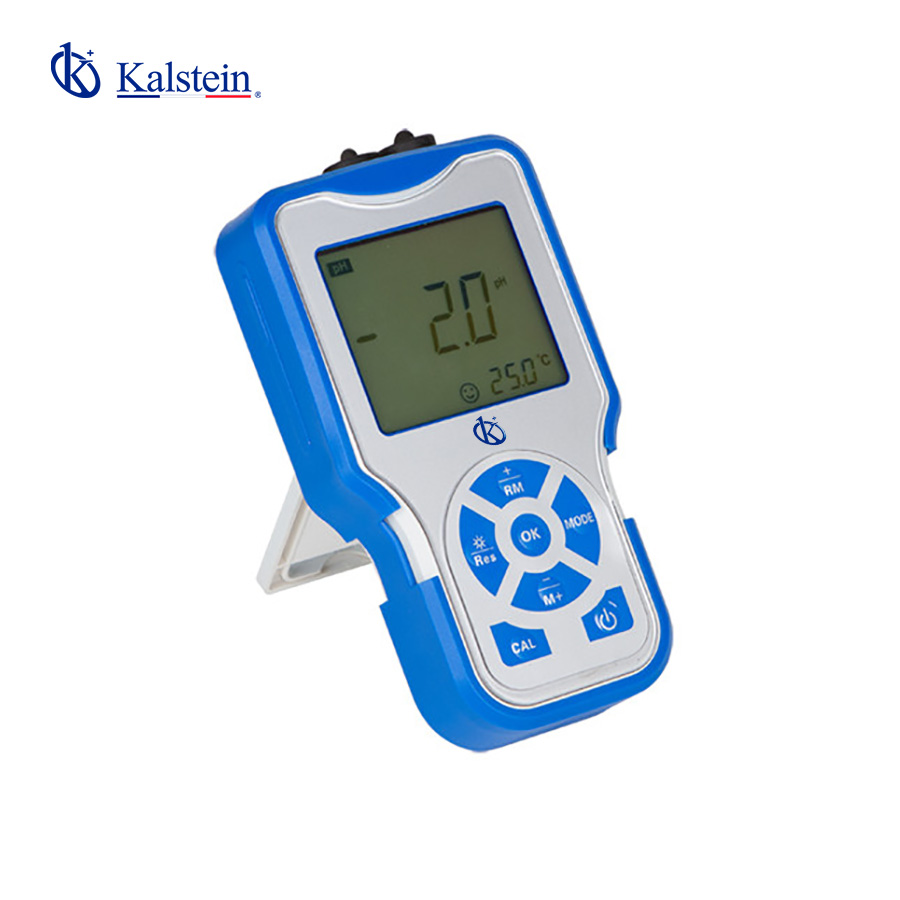
Biosafety protocols are designed to protect laboratory personnel, the environment, and the public from exposure to potentially harmful biological agents. The implementation of these protocols should provide a systematic approach to risk assessment, equipment usage, and operational procedures. Portable ion meters, such as the YR01816 and YR01817 series, play a crucial role in ensuring that ion concentrations are monitored accurately, reducing the risk of errors that could compromise safety.
These protocols also align with various regulatory standards, including ISO 17025, which emphasizes the importance of accurate measurement, calibration, and operator training. The result is a controlled laboratory environment where safety is prioritized.
Portable Ion Meters: Key Features Enhancing Safety
Portable ion meters are equipped with advanced features that enhance their usability in laboratories focused on biosafety. Some of these features include:
- Backlit LCD Screens: These screens improve visibility in low-light conditions, allowing operators to read measurements easily.
- Automatic Calibration: Models like the YR01816 support up to 5-point calibration, ensuring that measurements remain accurate and reliable.
- Multiple Measurement Modes: The ability to switch between pH, mV, and ion concentration measurements allows for versatile applications in different scenarios.
Common Biosafety Mistakes and How to Avoid Them
Even with strict adherence to protocols, common mistakes can jeopardize laboratory safety. Some of these include:
- Lack of Proper Calibration: Regular calibration of portable ion meters is crucial. Utilize models that offer multiple calibration points to enhance accuracy.
- Ignoring Environmental Conditions: Operators must consider temperature and humidity, which can affect measurement accuracy. Models such as the YR01817-1 provide automatic temperature compensation features to mitigate this risk.
- Insufficient Training: Ensure all personnel are trained in the correct usage of portable ion meters to avoid mishandling, which might compromise safety.
Comparison of Available Models
| Model Code | Type | Ion Range | Calibration Points | Price (USD) |
|---|---|---|---|---|
| YR01816 | Portable pH/Ion Meter | 0.001 to 19999 | 2 to 5 | 94.00 |
| YR01817-1 | Portable Ammonium Ion Meter | 5 × 10⁻⁶ to 1 M | 2 to 5 | 229.00 |
| YR01817-10 | Portable Ammonium Ion Meter | 5 × 10⁻⁶ to 1 M | 2 to 5 | 500.00 |
| YR01817-11 | Portable Ammonium Ion Meter | 5 × 10⁻⁶ to 1 M | 2 to 5 | 500.00 |
| YR01817-12 | Portable Ammonium Ion Meter | 5 × 10⁻⁶ to 1 M | 2 to 5 | 500.00 |
| YR01817-13 | Portable Ammonium Ion Meter | 5 × 10⁻⁶ to 1 M | 2 to 5 | 500.00 |
Integrating Portable Ion Meters into Laboratory Workflows
Integrating portable ion meters into laboratory workflows can streamline processes, particularly in environments where biosafety is critical. The devices can be used for:
- Routine Quality Control: Regular checks on ion concentrations can help ensure that measurements stay within acceptable limits.
- Field Work: Portable models are ideal for outdoor applications, reducing the need for transporting samples back to the laboratory.
- Training Scenarios: These meters can serve as effective tools for training new laboratory staff in ion measurement techniques under safe conditions.
Enhancing Safety with Operator Training and Awareness
Operator training is the cornerstone of effective biosafety protocols. Personnel should be well-versed in:
- Safe Handling Practices: Proper techniques for using portable ion meters to prevent accidents.
- Emergency Procedures: Knowledge of protocols to follow in case of exposure to hazardous materials.
- Understanding Measurements: Training on interpreting ion concentration data to ensure accurate reporting.
Frequently Asked Questions
How does a portable ion meter ensure operator safety in a lab environment?
A portable ion meter like the YR01817-1 enhances operator safety by providing real-time measurements of ion concentrations, allowing for immediate corrections in handling hazardous substances. Regular calibration ensures that readings are accurate, which is critical in preventing exposure to harmful levels of ions.
What are the biosafety features of portable ion meters like the YR01816?
The YR01816 portable pH/ion meter features a backlit LCD screen for visibility in different lighting conditions and supports 2 to 5-point calibration, ensuring accurate measurements crucial for maintaining biosafety standards in lab environments.
Can portable ion meters contribute to compliance with ISO 17025 standards?
Yes, portable ion meters, such as the YR01817 series, assist in compliance with ISO 17025 by ensuring accurate measurement and calibration processes, which are essential for labs pursuing accreditation and maintaining quality management systems.
What training is essential for safe usage of portable ion meters?
Training should cover proper operational procedures, calibration techniques, and emergency response protocols. Knowledge on using models like the YR01817-1 effectively can prevent accidents and ensure accurate measurements are reported.
How often should portable ion meters be calibrated to ensure safety?
Portable ion meters should ideally be calibrated before each use, especially models like the YR01816 that allow for multiple calibration points. Regular calibration ensures measurements remain accurate and aids in maintaining biosafety in laboratory settings.
What are common safety risks when using portable ion meters?
Common risks include inaccurate measurements due to improper calibration, environmental factors affecting readings, and mishandling of equipment. Utilizing models with automatic temperature compensation, like the YR01817-1, can mitigate these risks significantly.
In what lab scenarios are portable ion meters most beneficial?
Portable ion meters are particularly beneficial in fieldwork, routine quality control, and training scenarios where quick and accurate ion concentration measurements are needed, making them indispensable in maintaining biosafety protocols.
What is the role of operator training in using portable ion meters effectively?
Operator training plays a crucial role in ensuring that personnel effectively use portable ion meters, such as the YR01816, by educating them on safe handling practices, calibration, and interpreting measurement data to maintain a safe laboratory environment.
If you are looking for a fusion of innovation and quality, you have come to the right place. At Kalstein, we offer you the luxury of exploring our exclusive catalog of laboratory equipment. We manufacture every device to the highest standards of excellence. Our intuitive and seamless online purchasing channels are designed for your convenience, securing the most competitive prices. Hesitate no longer — we bring science to life, it is time to become part of our community.