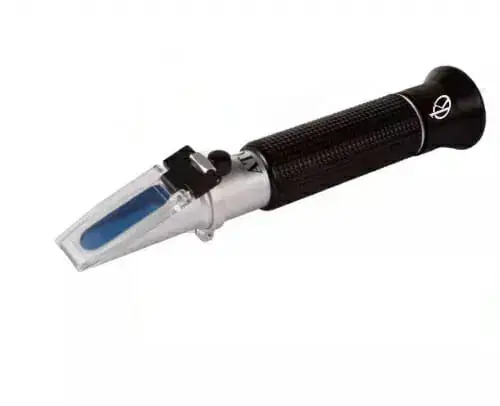
How to Ensure Biosafety and Safe Operator Handling with Beer Refractometers
In laboratory settings, particularly those involving beer refractometers, ensuring biosafety and safe handling for operators is paramount. This article delves into the concept of biosafety in laboratories, focusing on the protocols necessary for operating beer refractometers. Our aim is to provide practical guidance for laboratory professionals to minimize risks while optimizing the use of these essential tools.
Understanding Biosafety Protocols in Laboratory Settings
Biosafety protocols are designed to protect laboratory personnel, the environment, and the public from exposure to potentially hazardous biological materials. Implementing these protocols is crucial, especially in laboratories where refractometers for brewing processes are employed. Key aspects include risk assessment, workspace design, and proper handling procedures.
Key Biosafety Levels and Their Implications
Laboratories are classified into different biosafety levels (BSL) ranging from BSL-1 to BSL-4, based on the types of agents used and the required containment measures. For example, BSL-1 involves working with agents that do not typically cause disease in healthy humans, whereas BSL-4 requires the highest level of containment due to the risk of life-threatening diseases. Understanding these levels helps in determining the necessary precautions when using equipment like beer refractometers, such as the YR05939, which is designed for safe handling.
Personal Protective Equipment (PPE) in Brewing Laboratories
Utilizing appropriate personal protective equipment (PPE) is a critical component of maintaining a safe laboratory environment. When operating beer refractometers, operators should wear lab coats, gloves, and safety goggles to prevent exposure to hazardous substances. Select PPE that complies with relevant standards, ensuring it is appropriate for the specific chemicals and biological materials in use.
Risk Assessment in Using Beer Refractometers
Conducting a thorough risk assessment is essential before utilizing any laboratory equipment, including beer refractometers. This involves identifying potential hazards associated with the equipment and the samples being analyzed. For instance, the Beer Refractometer YR05940 is designed for accurate readings without temperature adjustments, making it safer to operate in high-throughput scenarios. Assess the risks related to operator exposure and implement measures to mitigate them.
Decontamination Protocols for Beer Refractometers
Decontamination protocols are vital for ensuring the safe handling of beer refractometers. After each use, it is important to clean and disinfect the refractometers, particularly if they come into contact with biological or chemical substances. Follow manufacturer guidelines for cleaning procedures, using appropriate disinfectants that do not damage the equipment. This step is crucial in preventing cross-contamination and maintaining the quality of future analyses.
Common Mistakes and How to Avoid Them
In laboratories, certain common mistakes can lead to safety hazards. One frequent error is neglecting to properly calibrate or clean equipment like the Beer Refractometer YR05941. To avoid this, implement a standard operating procedure (SOP) that includes regular maintenance checks and operator training. Ensuring that all personnel are aware of these protocols will greatly enhance safety and operational efficiency.
Comparison of Available Models
| Model | Measurement Range | Min. Division | Accuracy | ATC | Best Use Case |
|---|---|---|---|---|---|
| YR05939 | 0-32% Brix (SG: 1.000-1.120) | 0.2% Brix | ±0.2% Brix | Yes | Quick gravity checks during brewing |
| YR05940 | 0-32% Brix (SG: 1.000-1.120) | 0.2% Brix | ±0.2% Brix | Yes | Frequent sampling during fermentation |
| YR05941 | 0-32% Brix (SG: 1.000-1.120) | 0.2% Brix | ±0.2% Brix | Yes | High accuracy in laboratory settings |
| YR05942 | 0-32% Brix (SG: 1.000-1.120) | 0.2% Brix | ±0.2% Brix | Yes | Ideal for field testing |
| YR05943 | 0-32% Brix (SG: 1.000-1.120) | 0.2% Brix | ±0.2% Brix | Yes | Versatile use across different brewing phases |
Frequently Asked Questions
What are the critical biosafety measures for beer refractometer operations?
Implementing biosafety measures includes risk assessment and use of PPE while operating models like YR05939. Always follow proper decontamination and calibration protocols to ensure safety and accuracy during the brewing process.
How can I maintain accuracy while using beer refractometers?
To maintain accuracy with beer refractometers like YR05940, ensure regular cleaning and calibration per manufacturer guidelines. This helps avoid discrepancies in readings and ensures compliance with safety standards.
Which PPE is necessary when using a beer refractometer in the lab?
When operating a beer refractometer such as YR05941, essential PPE includes gloves, lab coats, and goggles to minimize exposure to potentially hazardous materials present during the analysis.
How often should beer refractometers be calibrated for safety?
For optimal performance and safety, calibrate beer refractometers like YR05942 before each use or at least once a week, depending on usage frequency and lab conditions to maintain reliable measurements.
What decontamination methods should be used for beer refractometers?
After using a beer refractometer, decontaminate it with suitable disinfectants that comply with safety standards. For example, using ethanol solutions can effectively clean models like YR05943 without risking damage.
Which beer refractometer is best for high-throughput analysis?
The Beer Refractometer YR05940 is ideal for high-throughput analysis due to its quick reading capabilities and built-in automatic temperature compensation, allowing for efficient processing of multiple samples.
What common mistakes should be avoided when handling a beer refractometer?
Common mistakes include neglecting the calibration and cleaning of models like YR05939. Implement an SOP to ensure laboratory personnel adhere to safety and operational guidelines effectively.
How do biosafety levels impact the use of a beer refractometer?
The biosafety level of a laboratory determines the necessary precautions. For example, labs operating under BSL-2 or higher must implement stricter guidelines when using beer refractometers to ensure operator safety.
If you are looking for a fusion of innovation and quality, you have come to the right place. At Kalstein, we offer you the luxury of exploring our exclusive catalog of laboratory equipment. We manufacture every device to the highest standards of excellence. Our intuitive and seamless online purchasing channels are designed for your convenience, securing the most competitive prices. Hesitate no longer — we bring science to life, it is time to become part of our community.