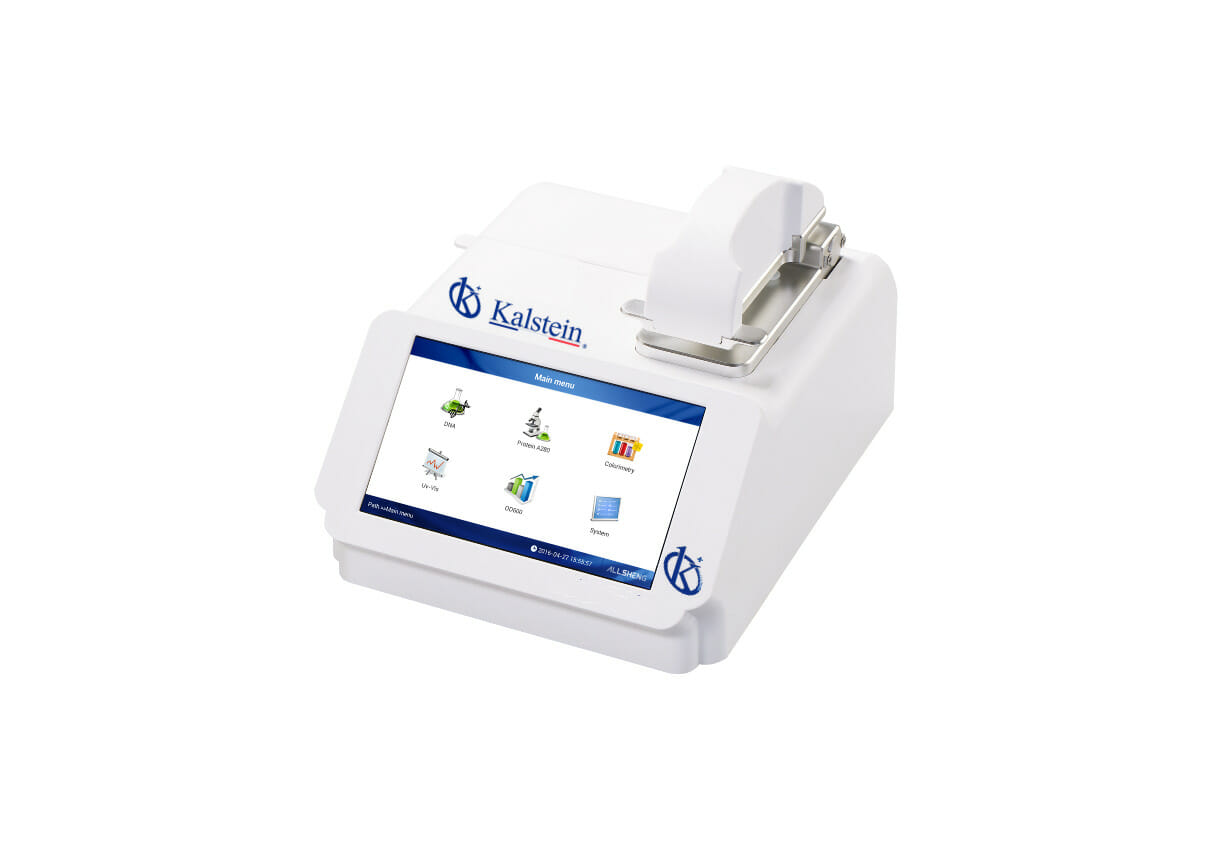
How to Ensure Biosafety and Safe Operator Handling in Micro-Spectrophotometry?
Micro-spectrophotometers are essential tools in modern laboratories for analyzing nucleic acids and proteins. However, ensuring the safety of laboratory personnel and maintaining biosafety standards is paramount. This article delves into the protocols and practices necessary to enhance biosafety and operator safety while utilizing micro-spectrophotometers.
Understanding Biosafety Levels and Micro-Spectrophotometers
Biosafety levels (BSL) are critical for determining the safety measures needed for handling biological materials. Micro-spectrophotometers like the YR06033-1 and YR06034 can analyze samples containing potentially hazardous biological agents. Ensuring compliance with BSL standards helps mitigate risks associated with exposure. For instance, BSL-1 is for agents not known to cause disease, while BSL-2 requires more stringent safety protocols.
Operator Protection Measures in Using Micro-Spectrophotometers
Operators must utilize personal protective equipment (PPE) when handling samples. This includes gloves, lab coats, and safety goggles. Additionally, it is important to equip micro-spectrophotometers like the YR06035 with safety features such as built-in decontamination protocols and easy-to-clean surfaces to minimize contamination risk.
Key Biosafety Protocols for Micro-Spectrophotometer Usage
Establishing a set of biosafety protocols tailored to each laboratory's specific needs is vital. These protocols should include safe sample handling, proper waste disposal, and regular cleaning of equipment. For instance, the YR06034 allows analysis with minimal sample sizes, reducing the amount of hazardous material handled, thus lowering risk.
Risk Assessment and Mitigation Strategies
Conducting a thorough risk assessment is essential for identifying potential hazards associated with using micro-spectrophotometers. This includes evaluating sample types, exposure routes, and emergency procedures. Mitigation strategies should be implemented based on the findings, ensuring that all personnel are aware of safety protocols.
Cleaning and Decontamination Protocols
Regular cleaning and decontamination of micro-spectrophotometers are necessary to prevent cross-contamination. Laboratories should establish standard operating procedures (SOPs) for cleaning equipment, including using appropriate disinfectants and methods recommended for specific models such as the YR06033.
Training and Education of Laboratory Personnel
Ensuring that all laboratory personnel are adequately trained in biosafety practices is crucial. This training should cover the safe operation of micro-spectrophotometers, understanding of biosafety levels, and emergency response procedures. Incorporating hands-on training with devices like the YR06035 can improve familiarity and safety adherence.
Comparison of Available Models
| Model | Wavelength Range | Minimum Sample Size | Best For |
|---|---|---|---|
| YR06033-1 | 200-800 nm | 0.5-2.0 μl | General nucleic acid analysis |
| YR06034 | 260 nm, 280 nm | 1-2.0 μl | DNA/RNA purity checks |
| YR06035 | 200-800 nm | 0.5-2.0 μl | Bacterial concentration measurement |
Common Mistakes and How to Avoid Them
One common mistake in laboratory settings is neglecting the importance of proper PPE usage when operating micro-spectrophotometers. Moreover, failing to follow established biosafety protocols can lead to contamination. Ensuring constant training and adherence to SOPs can significantly reduce these risks, ultimately safeguarding laboratory personnel.
Frequently Asked Questions
What are the biosafety protocols for using a micro-spectrophotometer?
Biosafety protocols for using instruments like the YR06034 typically include wearing appropriate PPE, following decontamination procedures, and ensuring that all samples are handled within designated biosafety cabinets. Regular training on these protocols is crucial for maintaining safety standards.
How does the YR06033-1 ensure operator safety?
The YR06033-1 is designed with user safety in mind, featuring easy-to-clean surfaces and an intuitive interface that minimizes the risk of spills and contamination. Proper training on its use enhances the safety of laboratory operators significantly.
Why is personal protective equipment essential in micro-spectrophotometry?
PPE is crucial in micro-spectrophotometry to protect laboratory personnel from potential exposure to hazardous materials. Using gloves, lab coats, and safety glasses reduces the risk of contamination and ensures a safer working environment.
What are the risks associated with micro-spectrophotometer operation?
Risks include exposure to hazardous biological materials, chemical spills, and cross-contamination between samples. Implementing rigorous cleaning protocols and using models like the YR06035, which facilitates safer sample handling, can mitigate these risks.
How often should micro-spectrophotometers be decontaminated?
Micro-spectrophotometers should be decontaminated after each use and at regular intervals as part of a comprehensive cleaning schedule. This is particularly important in labs handling hazardous samples to prevent contamination and ensure safe operation.
Which model is best for analyzing nucleic acids safely?
The YR06034 is particularly effective for analyzing nucleic acids safely due to its low sample size requirement and ease of use. This model minimizes exposure and ensures accurate results while adhering to biosafety protocols.
What training is needed for safe micro-spectrophotometer operation?
Training should cover biosafety protocols, proper usage of PPE, equipment handling, and emergency procedures. Familiarization with specific models such as the YR06035 and understanding their safety features are crucial for effective training.
If you are looking for a fusion of innovation and quality, you have come to the right place. At Kalstein, we offer you the luxury of exploring our exclusive catalog of laboratory equipment. We manufacture every device to the highest standards of excellence. Our intuitive and seamless online purchasing channels are designed for your convenience, securing the most competitive prices. Hesitate no longer — we bring science to life, it is time to become part of our community.