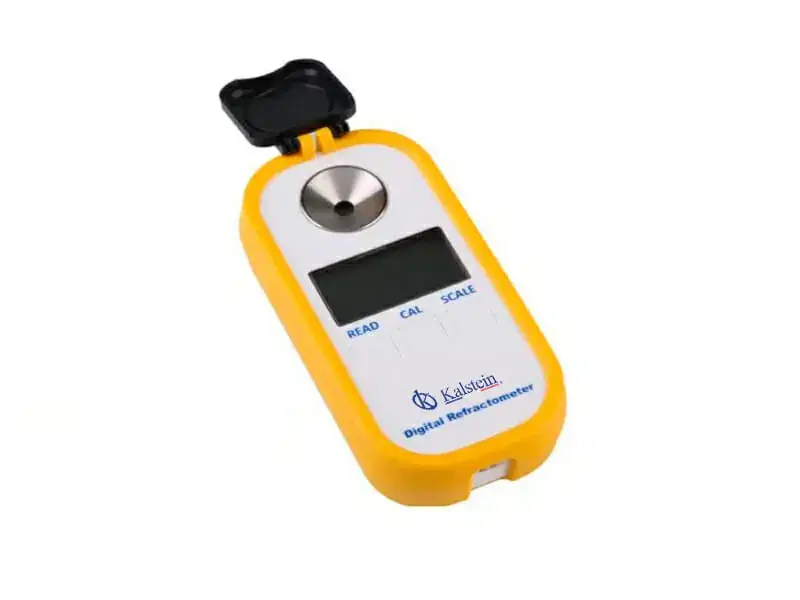
Ensuring Biosafety in Laboratory Protocols: A Focus on Digital Salinity Refractometers
Laboratory environments, particularly those involving chemical analysis, demand stringent biosafety protocols to protect operators and ensure accurate results. This article delves into how digital salinity refractometers can be safely utilized while adhering to biosafety standards.
Understanding the Importance of Biosafety Protocols
Biosafety protocols are essential for safeguarding laboratory personnel and the environment from potential hazards. They govern the handling of dangerous substances, biological materials, and the general operational procedures within a laboratory. Implementing these protocols significantly reduces risks associated with exposure to harmful agents.
Digital Salinity Refractometers: Enhancing Safety in Measurements
Digital salinity refractometers are crucial instruments used for measuring the salinity of solutions, such as sodium chloride and seawater. They often come equipped with features such as automatic temperature compensation (ATC), ensuring accuracy during measurements. As labs increasingly focus on biosafety, understanding how to use these tools safely and effectively is paramount.
Best Practices for Using Digital Salinity Refractometers
When utilizing digital salinity refractometers, operators should follow best practices to ensure safety. These include wearing personal protective equipment (PPE), such as gloves and goggles, to prevent direct contact with samples. Regular maintenance and calibration of the refractometers also play a vital role in ensuring accurate readings and safe operation.
Comparison of Available Models
| Model Code | Measurement Range | Min. Division | Precision | Best for |
|---|---|---|---|---|
| YR05953 | 0.0–28.0% | 0.10% | ±0.1% | Freshwater salinity testing |
| YR05954 | 0–280‰ | 1‰ | ±1‰ | Seawater salinity analysis |
| YR05955 | 1.000-1.217 | 0.001 | ±0.002 | Density measurement |
| YR05956 | 1.3330–1.3900 nD | 0.0001 nD | ±0.0003 nD | Refractive index measurement |
| YR05957 | 0—100‰ | 1‰ | ±2‰ | Brine testing |
| YR05958 | 0–57‰ | 1‰ | ±2‰ | Clinicity analysis |
| YR05959 | 1.000-1.070 | 0.001 | ±0.002 | Density measurement |
| YR05960 | 1.3330–1.3530 nD | 0.0001 nD | ±0.0003 nD | Refractive index measurement |
Common Mistakes and How to Avoid Them
Laboratory operators often overlook critical aspects of biosafety when using digital salinity refractometers. Common mistakes include neglecting to calibrate instruments regularly, using contaminated samples, or failing to wear appropriate PPE. To avoid these issues, it is essential to establish a routine for equipment calibration, implement strict sample handling procedures, and always use personal protective equipment.
Key Regulations and Standards for Biosafety in Laboratories
Various regulations govern laboratory practices, including biosafety levels (BSL) and guidelines from organizations like the World Health Organization (WHO). Adhering to these standards helps ensure that laboratory practices minimize the risk of exposure to harmful agents. Digital salinity refractometers must be integrated into these protocols to ensure user safety.
Implementing a Comprehensive Protocol for Using Digital Salinity Refractometers
To effectively integrate digital salinity refractometers within biosafety protocols, laboratories should develop a comprehensive standard operating procedure (SOP) that includes equipment handling, routine maintenance, data recording, and emergency response strategies. This SOP should be regularly reviewed and updated to remain compliant with evolving standards and best practices.
Frequently Asked Questions
What are the critical biosafety protocols when using digital salinity refractometers?
Critical biosafety protocols include wearing PPE, regularly calibrating instruments, and following strict sample handling procedures. For example, the YR05954 model should be used according to these protocols to ensure both accurate readings and operator safety.
How can I ensure my digital salinity refractometer is compliant with safety standards?
To ensure compliance, laboratories must develop SOPs that align with regulatory standards such as ISO 17025. Regular audits and maintenance checks on models like the YR05956 can help maintain compliance and safety.
What training is necessary for staff using digital salinity refractometers?
Staff should receive training on the proper use of digital salinity refractometers, focusing on biosafety protocols and equipment maintenance. Familiarity with the YR05957 model's features ensures safe operation and accurate measurements.
Which digital salinity refractometer is best for measuring seawater salinity?
The YR05954 model is specifically designed for measuring seawater salinity, offering a range of 0–280‰ with a precision of ±1‰. Proper training on its use ensures adherence to biosafety standards.
How often should I calibrate my digital salinity refractometer?
Calibration should occur regularly, typically before each use or weekly, depending on the frequency of use. This practice is crucial for maintaining accuracy in readings from models like the YR05953.
What common mistakes should I avoid when using a digital salinity refractometer?
Common mistakes include neglecting PPE, using uncalibrated instruments, and mishandling samples. By adhering to biosafety protocols, operators can ensure safe and accurate measurements with models such as the YR05958.
How can I develop a biosafety protocol for a laboratory using refractometers?
Developing a biosafety protocol involves creating an SOP that covers equipment handling, maintenance, and compliance with regulations like ISO 17025. Ensure models like the YR05955 are incorporated into these protocols to safeguard users.
If you are looking for a fusion of innovation and quality, you have come to the right place. At Kalstein, we offer you the luxury of exploring our exclusive catalog of laboratory equipment. We manufacture every device to the highest standards of excellence. Our intuitive and seamless online purchasing channels are designed for your convenience, securing the most competitive prices. Hesitate no longer — we bring science to life, it is time to become part of our community.