How to Ensure Biosafety in Drug Stability Testing with Safe Operator Protocols
In the realm of laboratory testing, particularly within drug stability testing environments, implementing robust biosafety protocols is crucial. The safety of operators and the integrity of testing processes hinge on adherence to well-defined safety standards and operational measures. As we explore the interplay between biosafety and drug stability testing, this article will delve into the critical protocols, best practices, and specific models available in the market.
Understanding the Importance of Biosafety in Drug Stability Testing
Biosafety in drug stability testing is not merely a regulatory requirement but a foundational aspect of laboratory ethics and operational integrity. The handling of drugs, especially those that may pose risks to human health or the environment, necessitates a thorough understanding of potential hazards and the implementation of strategies to mitigate these risks.
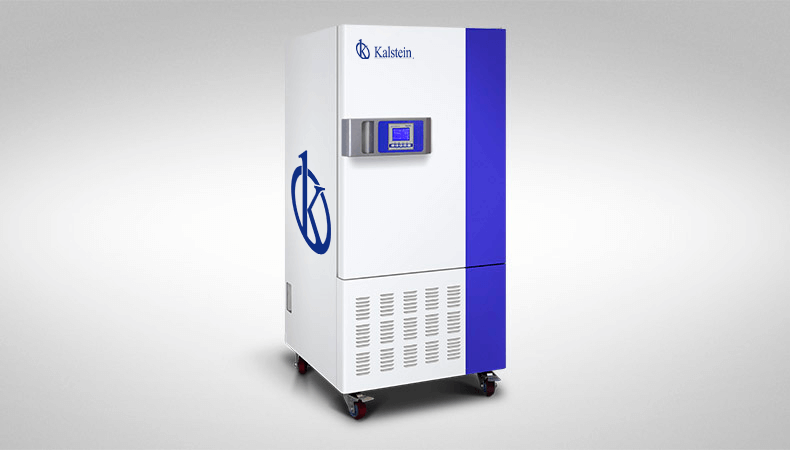
Drug stability testing chambers, such as the YR05350, YR05351, and YR05352 models, are specifically designed to maintain controlled conditions that safeguard both the samples being tested and the personnel conducting the tests. These chambers are equipped with advanced temperature and humidity control systems that help create a stable testing environment, thereby ensuring that operators are not exposed to volatile substances during testing.
Key Biosafety Protocols for Drug Stability Testing
Implementing effective biosafety protocols involves several key strategies: risk assessment, proper training for personnel, usage of personal protective equipment (PPE), and regular monitoring of environmental conditions within the laboratory.
1. **Risk Assessment**: Before beginning any testing, laboratory managers must conduct a thorough risk assessment to identify potential hazards associated with the drugs being tested and the operational processes involved.
2. **Training**: Continuous training for laboratory personnel on biosafety practices is essential. Training should cover safe handling of materials, emergency procedures, and the operation of drug stability testing chambers.
3. **Personal Protective Equipment (PPE)**: Appropriate PPE, such as gloves, lab coats, and eye protection, must be worn at all times during testing to minimize exposure to hazardous substances.
4. **Environmental Monitoring**: Regular monitoring of temperature and humidity levels in drug stability testing chambers ensures compliance with testing protocols. The YR05350, for example, offers precise environmental control, allowing for accurate testing results while safeguarding operators.
Comparison of Available Models
| Model Code | Temperature Range (°C) | Humidity Range (% RH) | Best For |
|---|---|---|---|
| YR05350 | 0 to 60 | 50 to 90 | General pharmaceutical stability testing |
| YR05351 | 0 to 60 | 50 to 90 | Complex formulations requiring controlled light exposure |
| YR05352 | 0 to 60 | 50 to 90 | Long-term stability studies for biopharmaceuticals |
Common Mistakes and How to Avoid Them
Laboratories often face challenges in maintaining compliance with biosafety standards, leading to potential risks. Here are some common mistakes and strategies to avoid them:
- Inadequate Training: Ensure that all laboratory personnel receive thorough training on biosafety protocols and equipment usage.
- Neglecting Regular Maintenance: Regularly maintain and calibrate drug stability testing chambers like the YR05350 to ensure optimal performance.
- Failure to Document Procedures: Documenting all operational procedures is crucial for compliance and safety audits.
Frequently Asked Questions
What are the best biosafety practices for drug stability testing using YR05350?
The best biosafety practices for drug stability testing using the YR05350 include conducting regular risk assessments, ensuring proper training for staff, using appropriate PPE, and maintaining environmental monitoring protocols to ensure compliance and safety.
How can I ensure compliance with ISO standards in a drug stability test chamber?
Compliance with ISO standards in drug stability test chambers can be ensured by utilizing models like YR05351, which feature advanced control systems and maintaining detailed documentation of testing processes, including temperature and humidity logs.
What should my drug stability testing chamber keep in mind for operator safety?
For operator safety, the drug stability testing chamber should include proper ventilation and monitoring systems. Models such as YR05352 provide extensive safety features, including temperature alarms and automatic shut-off mechanisms to protect users.
Which regulatory standards must drug stability testing chambers comply with?
Drug stability testing chambers must comply with various regulatory standards, including ISO 17025 for laboratory competence and GLP (Good Laboratory Practice) guidelines, ensuring reliability and accuracy in testing results.
How does temperature fluctuation impact drug stability testing results?
Temperature fluctuations can significantly impact the stability of pharmaceuticals. Using a model like YR05350 helps mitigate these risks by providing precise temperature control, which is essential for accurate stability testing.
What type of training is required for operators of drug stability testing chambers?
Operators of drug stability testing chambers should undergo training that covers the safe operation of the equipment, understanding of biosafety protocols, and emergency procedures to ensure a safe working environment.
How frequently should I calibrate my drug stability testing chamber?
Calibration of drug stability testing chambers like YR05351 should be performed annually or more frequently if the chamber is used extensively, to ensure accurate temperature and humidity readings and compliance with testing standards.
What are the benefits of using YR05352 for long-term stability studies?
The YR05352 offers several benefits for long-term stability studies, including enhanced control over environmental conditions and the ability to simulate real-world conditions, ensuring that drug formulations remain viable over extended periods.
If you are looking for a fusion of innovation and quality, you have come to the right place. At Kalstein, we offer you the luxury of exploring our exclusive catalog of laboratory equipment. We manufacture every device to the highest standards of excellence. Our intuitive and seamless online purchasing channels are designed for your convenience, securing the most competitive prices. Hesitate no longer — we bring science to life, it is time to become part of our community.