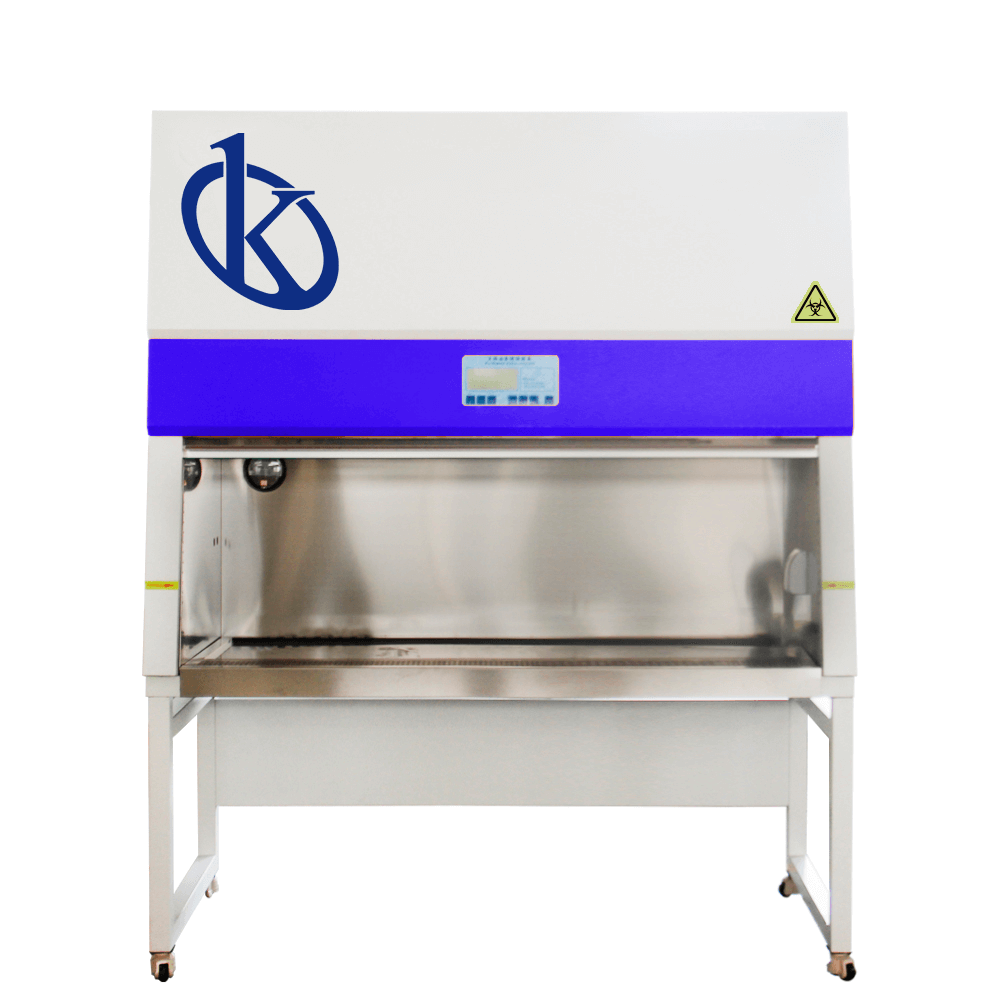
Biosafety Cabinets Class II: Predictive Maintenance and Recommended Calibration 2026
Biosafety cabinets, specifically Class II, play a crucial role in protecting laboratory personnel and the environment from biological hazards. With a focus on predictive maintenance and recommended calibration, this article explores the importance of these practices in ensuring the longevity and efficiency of your biosafety cabinets. Understanding the capabilities of each model will empower laboratory professionals to make informed decisions regarding their equipment.
Understanding the Importance of Predictive Maintenance
Predictive maintenance involves using data and analytics to determine the condition of equipment and anticipate failures before they occur. For biosafety cabinets, this means regularly assessing airflow, filter integrity, and alarm functionality to maintain a safe working environment. By implementing predictive maintenance, labs can minimize downtime and extend the lifespan of their biosafety cabinets, ensuring that models like the YR05704 and YR05270 are always operating at peak efficiency.
Recommended Calibration Intervals for Optimal Performance
Calibrating biosafety cabinets is essential for ensuring compliance with safety standards and maintaining performance. Generally, these cabinets should be calibrated at least once a year or after any major repairs. Calibration checks should include airflow measurements and HEPA filter efficiency assessments. Regular calibration helps to identify potential problems early, allowing for timely interventions that keep models such as the YR0090-A and YR05706 functioning optimally.
Comparison of Available Models
| Model | Airflow Rate (m/s) | Noise Level (dB) | Price (USD) | Best For |
|---|---|---|---|---|
| YR05704 | 0.38 | ≤65 | 1600.00 | General laboratory use |
| YR05705 | 0.38 | ≤65 | 1650.00 | Microbiology applications |
| YR05706 | 0.38 | ≤65 | 2150.00 | Pharmaceutical research |
| YR0090-A | 0.38 | ≤65 | 1260.00 | Small laboratory spaces |
| YR05270 | 0.53 | ≤65 | 2750.00 | High-level research |
| YR05271 | 0.53 | ≤65 | 2940.00 | Advanced lab environments |
Common Mistakes and How to Avoid Them
One of the most common mistakes in laboratory settings is neglecting regular maintenance checks on biosafety cabinets. Failing to replace HEPA filters when needed can lead to contamination and unsafe working conditions. Moreover, improper calibration can result in inaccurate airflow readings, risking laboratory safety. To avoid these pitfalls, laboratories should establish a routine maintenance and calibration checklist, ensuring that models like the YR05705 and YR05271 are consistently maintained.
Benefits of Implementing Predictive Maintenance
Adopting predictive maintenance strategies can lead to significant benefits for laboratory operations. By utilizing monitoring technologies, labs can detect wear and tear on components such as fans and filters. This proactive approach not only enhances safety but also reduces the long-term costs associated with emergency repairs. For example, using predictive maintenance on the YR05706 can extend its operational life and ensure compliance with safety regulations.
Calibration Procedures and Best Practices
Calibration procedures should be standardized across all biosafety cabinets in a laboratory. This includes specific steps for checking airflow rates, filter integrity, and alarm systems. It is essential to document all calibration activities to maintain compliance and facilitate audits. Following best practices for calibration ensures that models like the YR0090-A perform reliably, providing a safe environment for laboratory personnel.
Frequently Asked Questions
What are the predictive maintenance requirements for Class II biosafety cabinets in 2026?
In 2026, Class II biosafety cabinets like the YR05705 require regular airflow assessments, filter checks, and alarm tests as part of predictive maintenance. Establishing a schedule for these checks will help ensure compliance with safety standards and optimize cabinet performance.
How often should I calibrate my biosafety cabinet for optimal performance?
Biosafety cabinets should be calibrated at least annually or after significant repairs. Models like the YR05270 benefit from yearly checks to ensure airflow rates and HEPA filter efficiency are within specified limits, maintaining safe lab conditions.
Which model is best for small laboratory environments in 2026?
The YR0090-A is often recommended for small laboratory environments due to its compact size and efficient design. It provides high-level biosafety while ensuring minimal space consumption, ideal for labs with limited space.
What are the signs that calibration is needed for my biosafety cabinet?
Signs that calibration is necessary include inconsistent airflow measurements, alarms not functioning correctly, or visible filter damage. Regular checks are vital to ensure models like the YR05704 maintain their biosafety standards.
How can I ensure compliance with biosafety standards?
To ensure compliance, laboratories must adhere to regular maintenance and calibration schedules outlined for biosafety cabinets. Documentation of all procedures for models like the YR05271 will also support compliance during audits.
What are the costs associated with maintaining Class II biosafety cabinets in a lab?
Costs for maintaining Class II biosafety cabinets can vary. Regular maintenance may range from $200 to $500 annually, depending on the model. For instance, the YR05705 might incur slightly different maintenance costs due to its features.
How does predictive maintenance improve the lifespan of my biosafety cabinet?
Implementing predictive maintenance on models like the YR05706 allows labs to identify potential issues before they lead to failure, enhancing the cabinet's reliability and extending its operational lifespan through timely interventions.
Which biosafety cabinet model is recommended for high-level research environments?
For high-level research environments, the YR05270 is highly recommended due to its advanced features and airflow regulation capabilities, ensuring maximum safety and compliance with rigorous research standards.
If you are looking for a fusion of innovation and quality, you have come to the right place. At Kalstein, we offer you the luxury of exploring our exclusive catalog of laboratory equipment. We manufacture every device to the highest standards of excellence. Our intuitive and seamless online purchasing channels are designed for your convenience, securing the most competitive prices. Hesitate no longer — we bring science to life, it is time to become part of our community.