Biosafety Cabinets: Applications in Research, Biotechnology, and Academia 2026
What is it used for in 2026
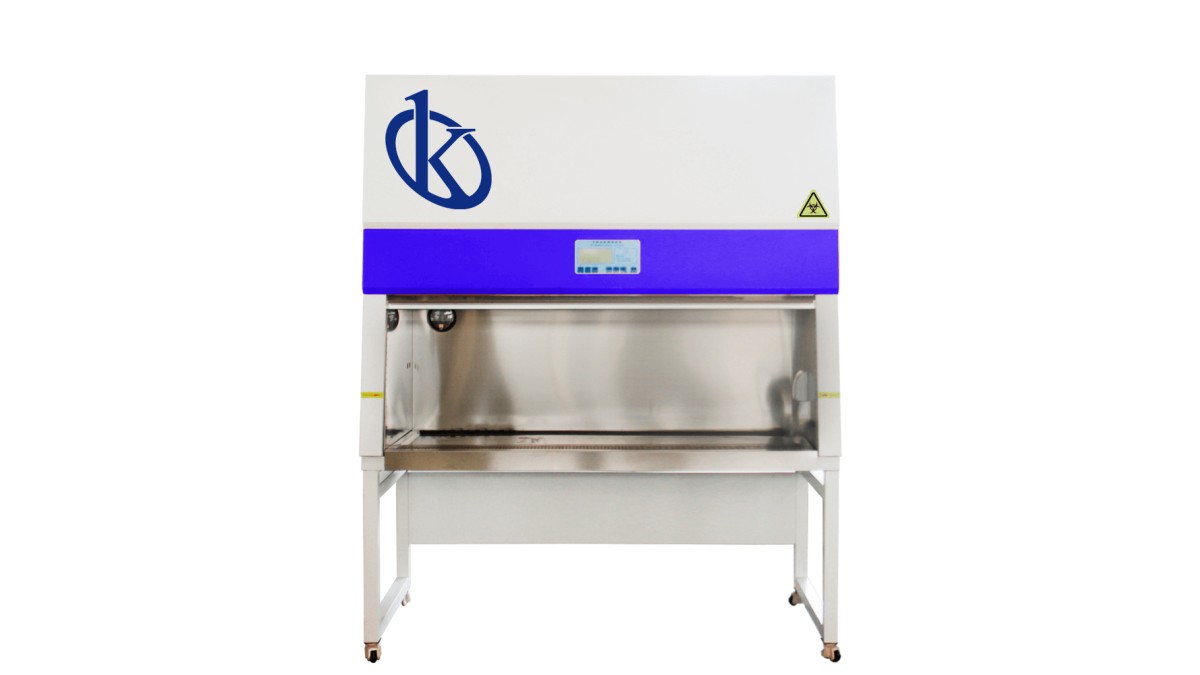
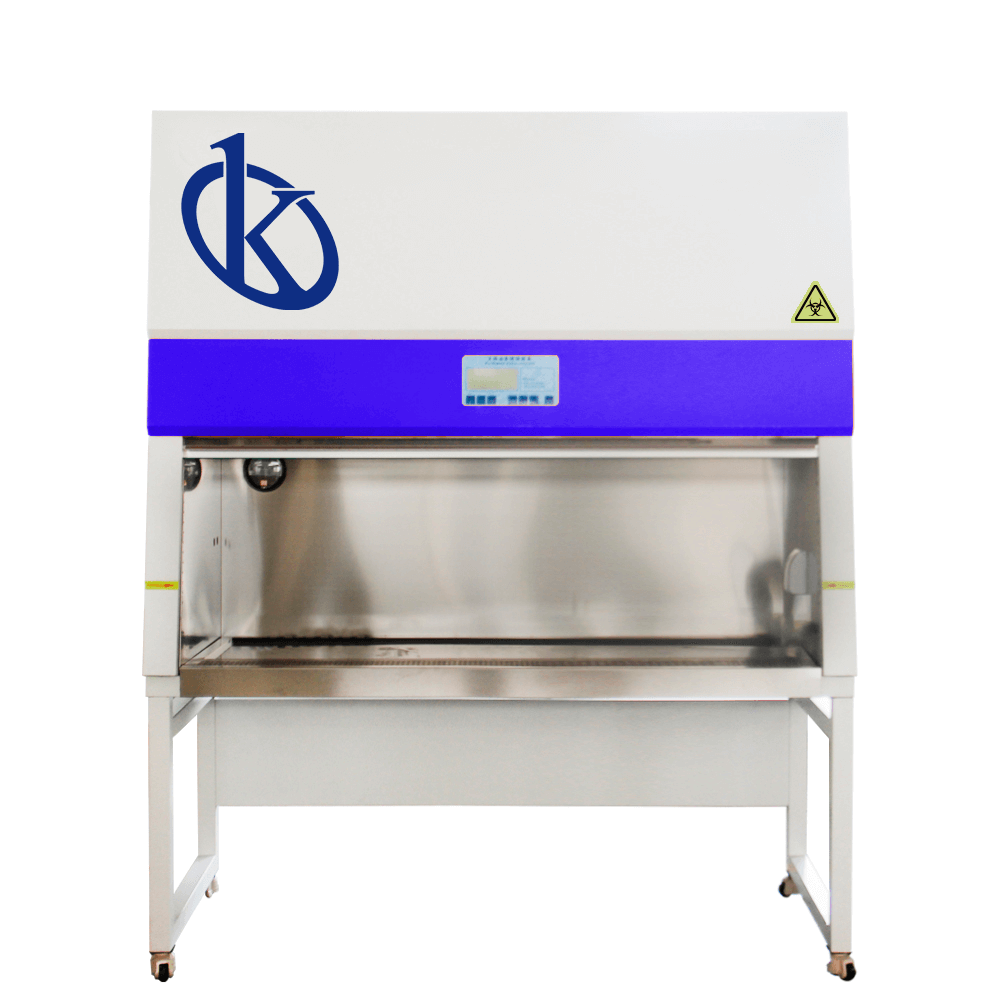
Biosafety Cabinets (Class II) are essential equipment in laboratories to protect users, samples, and the environment from hazardous agents. They provide a sterile workspace, maintaining a controlled airflow that minimizes the risk of contamination during procedures involving biological materials. In 2026, these cabinets are increasingly utilized in various fields, including microbiology, virology, genetics, and biomedical research, enhancing experimental safety and reliability.
History and evolution of the technology
The concept of biosafety cabinets emerged in the mid-20th century as laboratories began to recognize the need for specialized equipment to handle infectious agents safely. Over the decades, advancements in materials, filtration technology, and airflow dynamics have led to the development of modern Class II biosafety cabinets. These cabinets incorporate more efficient HEPA filters and improved designs for user accessibility and operational effectiveness, ensuring higher standards of safety and performance.
How to use it step by step
Using a Biosafety Cabinet involves several critical steps to ensure safety and efficiency:
- Preparation: Ensure all materials and equipment are ready before starting. This includes personal protective equipment (PPE).
- Turn on the cabinet: Activate the biosafety cabinet and let it run for at least 15 minutes to establish airflow and filter out contaminants.
- Check airflow: Make sure the airflow indicator shows that the cabinet is functioning optimally.
- Clean the workspace: Wipe down surfaces with appropriate disinfectants before starting work.
- Perform tasks: Conduct experiments while minimizing movements to reduce airflow disruption.
- Cleaning: After completing work, dispose of waste properly and clean surfaces again.
- Shut down: Follow the proper protocol to turn off the cabinet.
Best techniques and protocols
To optimize the use of Biosafety Cabinets, follow these techniques and protocols:
- Always follow the manufacturer’s instructions for operation and maintenance.
- Ensure proper training for users to understand the functions and limitations of the cabinet.
- Maintain a clutter-free workspace to facilitate airflow and minimize contamination risks.
- Regularly perform maintenance checks on HEPA filters and airflow systems.
- Document all procedures and incidents to track compliance with safety protocols.
Practical applications by laboratory type
Different laboratories utilize biosafety cabinets for specific applications. Here are examples based on laboratory types:
- Microbiology Labs: For handling bacterial cultures, ensuring no airborne pathogens affect research.
- Virology Labs: Protect researchers when working with viruses, particularly those with high pathogenicity.
- Genetics Labs: Safeguard DNA samples and sensitive reagents from contamination during experiments.
- Biomedical Research: Maintain sterility for tissue cultures and biological assays.
Regulations, standards and certifications
Biosafety Cabinets must comply with various regulations and standards to ensure safety. Key certifications include:
- ISO 14644: Standards for cleanroom and controlled environments.
- U.S. Federal Standard 209E: Classifications for cleanrooms based on particulate contamination.
- NIOSH Guidelines: Recommendations for the safe handling of biological materials.
Comparison with alternative technologies
While biosafety cabinets are crucial for laboratory safety, alternative technologies also exist:
- Laminar Flow Hoods: Suitable for non-hazardous materials but do not offer the same degree of protection against biohazards.
- Isolators: Offer a higher level of containment for particularly dangerous agents but are generally more expensive and complex.
Comparison of available models
| Model | Best for | Key specs | Recommended use case |
|---|---|---|---|
| YR05704 | General laboratory work with biological samples | Class 100, 400W, 170KG | Microbiology and virology research |
| YR05705 | Enhanced airflow control | Class 100, 500W, 210KG | Complex genetic experiments |
| YR05706 | Higher volume workflows | Class 100, 600W, 250KG | High-throughput microbiological assays |
| YR0090-A | Small-scale applications | Class 100, 600W, 140KG | Research with minimal contamination risk |
| YR05270 | General biosafety needs | ISO Class 5, 2750.00 | General laboratory and academic research |
| YR05271 | High-efficiency filtration | ISO Class 5, 2940.00 | Advanced biological research applications |
Common mistakes and how to avoid them
Several common mistakes can compromise the safety and effectiveness of biosafety cabinets:
- Inadequate training: Ensure all users are properly trained in cabinet operations.
- Overloading the workspace: Limit items inside the cabinet to improve airflow and visibility.
- Neglecting maintenance: Schedule regular maintenance and filter changes to keep the cabinet functioning optimally.
Maintenance, calibration and good practices 2026
Proper maintenance and calibration are vital for the longevity and effectiveness of biosafety cabinets. Key practices include:
- Regularly inspect HEPA filters and replace them as needed.
- Calibrate airflow monitors periodically to ensure compliance with safety standards.
- Document all maintenance activities and keep logs for reference.
Cost-benefit analysis 2026
The investment in a biosafety cabinet can be substantial, but the benefits often outweigh the costs. Considerations include:
- Enhanced safety: Protecting personnel and the environment from hazardous pathogens.
- Compliance: Meeting regulatory requirements minimizes legal risks and enhances laboratory reputation.
- Increased productivity: Efficient workflows lead to faster research and product development times.
Frequently asked questions
How do I choose the right biosafety cabinet for my lab?
Consider the types of experiments you will conduct, the required level of protection, and the space available. Review the specifications of different models to find one that meets your needs.
What is the recommended frequency for maintenance and calibration?
Perform maintenance checks at least every six months and calibrate airflow monitors annually to ensure optimal performance.
Can I use a biosafety cabinet for all types of biological work?
Biosafety cabinets are designed for specific biosafety levels. Ensure you choose a model that matches the risk level of the materials you are working with.
What training is necessary for using a biosafety cabinet?
Users should receive training on proper cabinet use, safety protocols, and emergency procedures, ensuring they understand the operational limits and maintenance needs.
How can I ensure my biosafety cabinet is functioning properly?
Regularly check the airflow indicator, perform visual inspections, and follow a maintenance schedule to ensure consistent performance.
Are there any specific protocols for waste disposal in a biosafety cabinet?
Yes, waste should be disposed of according to laboratory protocols, ensuring hazardous materials are handled in compliance with regulations.
Where can I find more information about biosafety cabinet specifications?
Manufacturers’ manuals and technical specifications documents provide detailed information on performance standards and operational guidelines.
If you are looking for a fusion of innovation and quality, you have come to the right place. At Kalstein, we offer you the luxury of exploring our exclusive catalog of laboratory equipment. We manufacture every device to the highest standards of excellence. Our intuitive and seamless online purchasing channels are designed for your convenience, securing the most competitive prices. Hesitate no longer — we bring science to life, it is time to become part of our community.