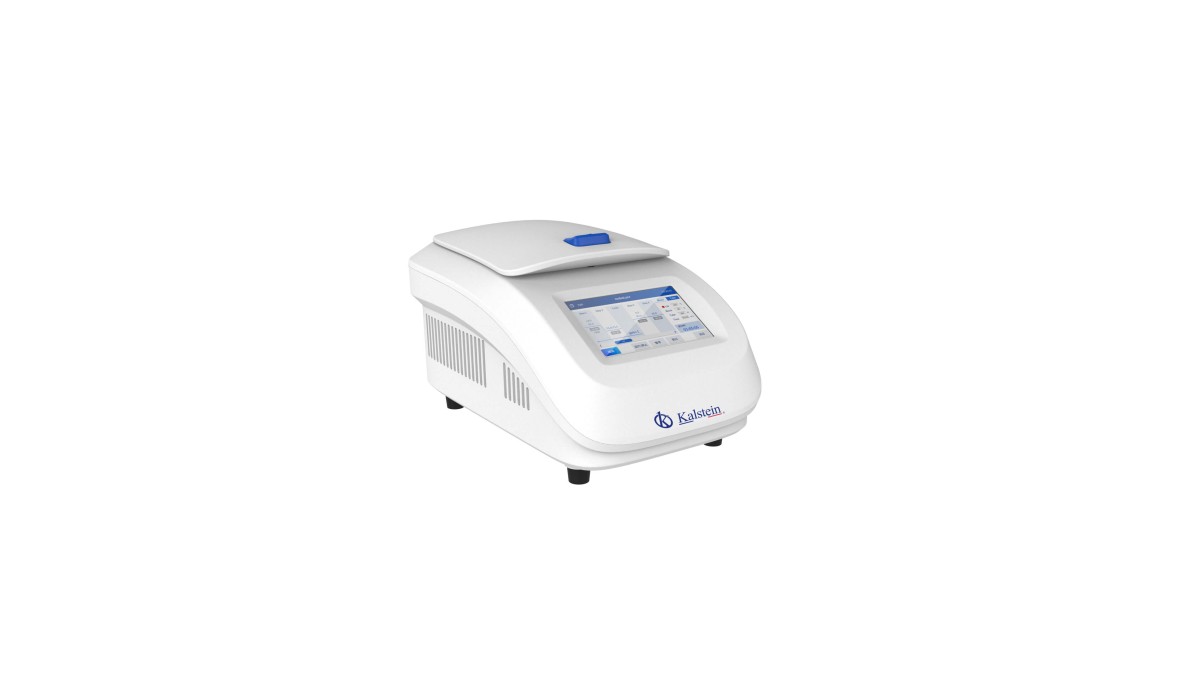
Biochemical BOD Incubators: Practical Applications in 2026
In the world of laboratory equipment, Biochemical BOD Incubators play a vital role in various applications, particularly in clinical and hospital laboratories. This article will explore the practical applications, techniques, and best practices associated with this family of devices in 2026.
What is it used for in 2026
Biochemical BOD Incubators are primarily utilized for biological and biochemical experiments that require precise temperature control. In 2026, they are essential for DNA amplification, protein denaturation, sample preservation, and various reaction processes in medical, environmental, and quality control labs.
History and evolution of the technology
The evolution of Biochemical BOD Incubators can be traced back to the early 20th century, where rudimentary temperature control systems were employed. Over the decades, advancements in thermoelectric technology and microprocessor controls have significantly enhanced the performance and reliability of these incubators. By 2026, we see sophisticated models that offer unprecedented control over temperature variations, thus facilitating more accurate experimental results.
How to use it step by step
- Select the appropriate model: Based on your specific application, choose a model such as the Heated Lid Dry Bath Incubator YR05889 for sample preservation or the Mini Dry Bath Incubator YR05891 for small-scale reactions.
- Set the temperature: Use the control panel to set the desired temperature according to the protocol of your experiment.
- Program the timer: Depending on the duration of your experiment, set the timer to ensure the incubator operates for the necessary period.
- Place the samples: Carefully place your samples into the incubator, ensuring they are evenly distributed to allow for uniform temperature distribution.
- Monitor progress: Regularly check the temperature display to ensure stability throughout the incubation period.
- Complete the experiment: Once the timer goes off, safely remove the samples for further processing.
Best techniques and protocols
In 2026, best practices for using Biochemical BOD Incubators include maintaining consistent sample placement, calibrating temperature settings regularly, and following strict protocols for sample handling. Techniques such as using pre-heated blocks for rapid temperature recovery and employing multiple temperature cycles can enhance experimental outcomes.
Practical applications by laboratory type
- Clinical Laboratories: Used for DNA amplification and protein studies.
- Environmental Testing Labs: Analyze biochemical oxygen demand in wastewater samples.
- Research Facilities: Conduct experiments requiring precise thermal control.
Regulations, standards and certifications
In 2026, Biochemical BOD Incubators must comply with industry regulations such as ISO 9001 and ASTM standards, ensuring reliability and safety in laboratory settings. Regular audits and maintenance schedules are crucial for maintaining compliance.
Comparison with alternative technologies
While traditional water baths and refrigerators are often used for similar purposes, Biochemical BOD Incubators offer superior temperature control and versatility. The incorporation of microprocessor technology allows for greater efficiency and accuracy compared to older models.
Comparison of available models
| Model | Best for | Key specs | Recommended use case |
|---|---|---|---|
| YR05889 | Sample preservation, DNA amplification | AC100~240V, R.T. -25℃ ~100℃ | Clinical and research applications requiring precise conditions |
| YR05890 | Sample preservation, reaction processes | AC100~240V, R.T. +5℃ ~100℃ | Ideal for environments needing heating and cooling |
| YR05891 | Small-scale reactions | 12V DC, RT+5℃ ~100℃ | Quick inspection kits and small lab settings |
| YR05892 | Small-scale reactions | 12V DC, RT+5℃ ~100℃ | Efficient for various practical laboratory applications |
| YR05893 | Small-scale reactions | 12V DC, RT+5℃ ~100℃ | Perfect for quick inspections in small labs |
| YR05894 | Sample preservation, reactions | RT+5℃ ~105℃, 150W | Used extensively in medical and chemical fields |
Common mistakes and how to avoid them
Common mistakes include setting incorrect temperatures, overcrowding samples, and neglecting regular calibration. To avoid these issues, ensure adherence to calibration schedules, double-check temperature settings, and provide adequate space for sample placement.
Maintenance, calibration and good practices 2026
Regular maintenance is crucial for Biochemical BOD Incubators. In 2026, best practices include monthly temperature calibration, cleaning the incubator regularly to prevent contamination, and ensuring that all seals are intact to maintain temperature stability.
Cost-benefit analysis 2026
Investing in Biochemical BOD Incubators can lead to significant benefits, including improved experimental accuracy and efficiency. While initial costs may be higher than traditional equipment, the long-term reliability and performance justify the investment.
Frequently asked questions
What are the main advantages of using a Biochemical BOD Incubator?
Biochemical BOD Incubators provide precise temperature control, versatility in applications, and improved reliability in experiment outcomes, making them essential for modern laboratories.
How do I choose the right model for my laboratory?
Select a model based on your specific application needs, such as required temperature range, sample size, and available space. Consider whether you need heating, cooling, or both functionalities.
How often should I calibrate my incubator?
It is recommended to calibrate your incubator at least once a month to ensure accuracy and reliability in your experiments.
Can I use Biochemical BOD Incubators for temperature-sensitive reactions?
Yes, they are designed precisely for such applications, providing consistent temperature control necessary for reactions that are sensitive to thermal fluctuations.
What are the best practices for using a Biochemical BOD Incubator?
Best practices include ensuring adequate sample spacing, calibrating regularly, and following strict protocols for sample handling to avoid contamination.
Are there any specific regulations I should be aware of?
Yes, compliance with industry standards such as ISO 9001 and ASTM is necessary to ensure safety and reliability in laboratory settings.
How can I reduce operational costs associated with incubators?
Regular maintenance, proper calibration, and using energy-efficient models can help reduce operational costs significantly over time.
If you are looking for a fusion of innovation and quality, you have come to the right place. At Kalstein, we offer you the luxury of exploring our exclusive catalog of laboratory equipment. We manufacture every device to the highest standards of excellence. Our intuitive and seamless online purchasing channels are designed for your convenience, securing the most competitive prices. Hesitate no longer — we bring science to life, it is time to become part of our community.