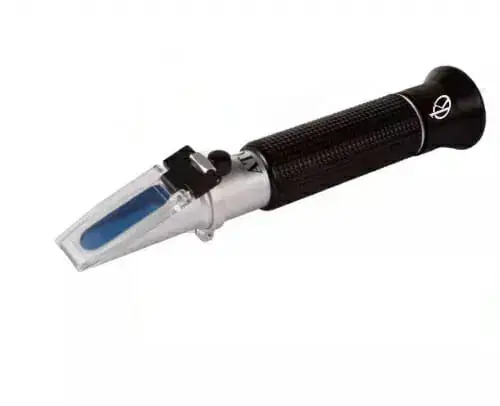
How to Choose the Best Wine Refractometer for Sustainable Practices?
As the wine industry evolves, the drive for sustainability and minimizing environmental footprints has become a critical focus for winemakers. With the increasing recognition of energy efficiency, selecting the right wine refractometer is essential for both precision in winemaking and the reduction of ecological impact. This article will explore the various models of wine refractometers, analyzing their features through the lens of sustainability and best practices. We will delve into the energy consumption, measurement accuracy, and overall environmental contributions of each model to guide laboratory professionals and winemakers in making informed decisions.
Understanding the Role of Wine Refractometers in Sustainable Winemaking
Wine refractometers play a pivotal role in assessing sugar concentration, which is vital for determining the fermentation potential of grape juice. In sustainable practices, these tools not only facilitate accurate measurements but also promote efficient resource usage. By choosing models that integrate automatic temperature compensation (ATC) and reduce reagent waste, winemakers can ensure that they are operating within eco-friendly parameters. This approach not only aligns with the growing demand for sustainability but also enhances the quality and consistency of the wine produced.
Energy Footprint of Wine Refractometers
When selecting a wine refractometer, understanding its energy footprint is essential. Models equipped with features to minimize energy consumption not only reduce operational costs but also contribute to lower greenhouse gas emissions. For example, refractometers that utilize advanced materials and technology can operate effectively without excessive energy demands. Consideration of each model's kWh per run and total operational impact can lead to informed choices that align with sustainable practices.
Comparison of Available Models
| Model Code | Measurement Range | Min. Division | Precision | ATC | Best for |
|---|---|---|---|---|---|
| YR05931 | 0-80% v/v | 1% v/v | ±1% v/v | No | Simple alcohol measurement |
| YR05932 | 0-25% Vol, 0-40% Brix | 0.2% Vol, 0.2% Brix | ±0.2% Vol, ±0.2% Brix | Yes | Versatile usage in various temperatures |
| YR05933 | 0-25% Vol, 0-170° Oe | 0.2% Vol, 1° Oe | ±0.2% Vol, ±1° Oe | Yes | High precision for specific measurements |
| YR05934 | 0-20° Baume, 0-25% Vol | 0.2° Baume, 0.2% Vol | ±0.2° Baume, ±0.2% Vol | Yes | Ideal for Baume scale measurements |
| YR05935 | 0-25% Vol, 0-40% Brix | 0.2% Vol, 0.2% Brix | ±0.2% Vol, ±0.2% Brix | Yes | Good for sugar concentration assessment |
| YR05936 | 0-80% v/v | 1% v/v | ±1% v/v | No | Simple use with quick results |
Common Mistakes and How to Avoid Them
When selecting a wine refractometer, many professionals make the mistake of overlooking the importance of temperature compensation. Using models without automatic temperature compensation can lead to inaccurate readings, particularly in fluctuating environments. Additionally, failing to consider energy consumption can result in higher operational costs and an increased carbon footprint. To avoid these pitfalls, it is essential to choose models like YR05932, which includes ATC, ensuring precision in various conditions while promoting energy-efficient practices.
Why Choosing Energy-Efficient Wine Refractometers Matters
Energy-efficient wine refractometers contribute significantly to sustainable winemaking practices. By reducing energy consumption, these tools not only lower operational costs but also minimize environmental impacts. Choosing models that are designed with energy efficiency in mind can lead to long-term savings and align with eco-friendly goals. For example, the YR05932 model’s ATC feature helps maintain accurate readings while consuming less energy overall, making it an ideal choice for sustainability-focused operations.
Impact of Accurate Measurements on Sustainability
Accurate measurements are crucial in sustainable winemaking as they prevent resource waste and enhance product quality. Wine refractometers that provide precise readings reduce the need for additional materials, such as excessive sugars, thus lowering the overall environmental impact. Model YR05933, known for its high precision, is particularly beneficial in ensuring that the fermentation process is optimal, which supports sustainable practices and enhances the final product's quality.
Frequently Asked Questions
What are the sustainability benefits of using the YR05932 wine refractometer?
The YR05932 wine refractometer integrates automatic temperature compensation, ensuring accurate measurements across a range of temperatures. This feature minimizes waste of resources, supporting sustainable winemaking by reducing the need for additional sugar adjustments. By providing precise readings, it fosters eco-friendly practices while maintaining the quality of the wine produced.
How can wine refractometers reduce energy consumption in wineries?
Wine refractometers equipped with energy-efficient features, such as the YR05932 model, can significantly reduce energy consumption during operation. These models are designed to deliver accurate results quickly, minimizing the energy needed for extensive laboratory processes. Additionally, their ability to function optimally across various temperatures further enhances their energy efficiency.
Which wine refractometer is best for budget-conscious sustainable wineries?
The YR05934 wine refractometer offers an excellent balance of performance and cost, making it a suitable choice for budget-conscious wineries. Its features, including ATC, ensure accurate readings while promoting sustainability without high operational costs, aligning with eco-friendly winemaking practices.
How does the YR05933 model enhance the sustainability of wine production?
The YR05933 model boasts high precision and automatic temperature compensation, which enhances the sustainability of wine production by ensuring accurate measurements with minimal resource waste. This accuracy aids in optimizing fermentation processes, ultimately contributing to a more environmentally friendly winemaking operation.
What factors should I consider when selecting a wine refractometer for sustainable practices?
When selecting a wine refractometer for sustainable practices, consider factors such as measurement accuracy, energy consumption, and features like automatic temperature compensation. Models like the YR05932 prioritize these elements, ensuring efficient and eco-friendly wine production processes.
Which model offers the best precision for sustainable winemaking?
The YR05933 model offers the best precision for sustainable winemaking, providing highly accurate readings that help in reducing the need for excessive materials during the fermentation process. This accuracy not only enhances product quality but also supports environmentally conscious practices.
What is the environmental impact of not using automatic temperature compensation in refractometers?
Not using a wine refractometer with automatic temperature compensation, such as the YR05931, can lead to inaccurate measurements, resulting in resource waste and inconsistent wine quality. This inefficiency can negatively impact sustainability efforts by increasing the use of additives and energy during production.
How do wine refractometers contribute to reduced waste in the winemaking process?
Wine refractometers contribute to reduced waste by ensuring accurate sugar concentration measurements, which helps in minimizing the use of excess sugar during fermentation. Models like the YR05932, with their ATC capabilities, allow winemakers to achieve precise readings, directly supporting sustainable practices and reducing overall resource consumption.
If you are looking for a fusion of innovation and quality, you have come to the right place. At Kalstein, we offer you the luxury of exploring our exclusive catalog of laboratory equipment. We manufacture every device to the highest standards of excellence. Our intuitive and seamless online purchasing channels are designed for your convenience, securing the most competitive prices. Hesitate no longer — we bring science to life, it is time to become part of our community.