Benchtop Spectrophotometers: Best Techniques and Protocols in 2026
What is it used for in 2026
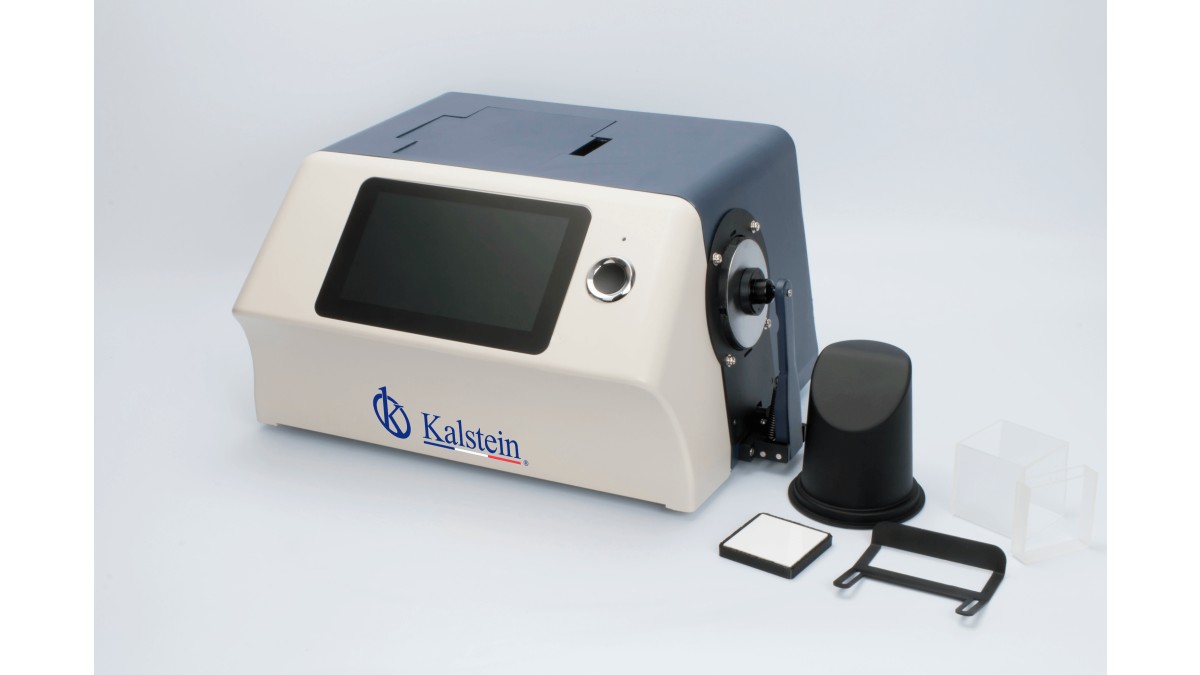
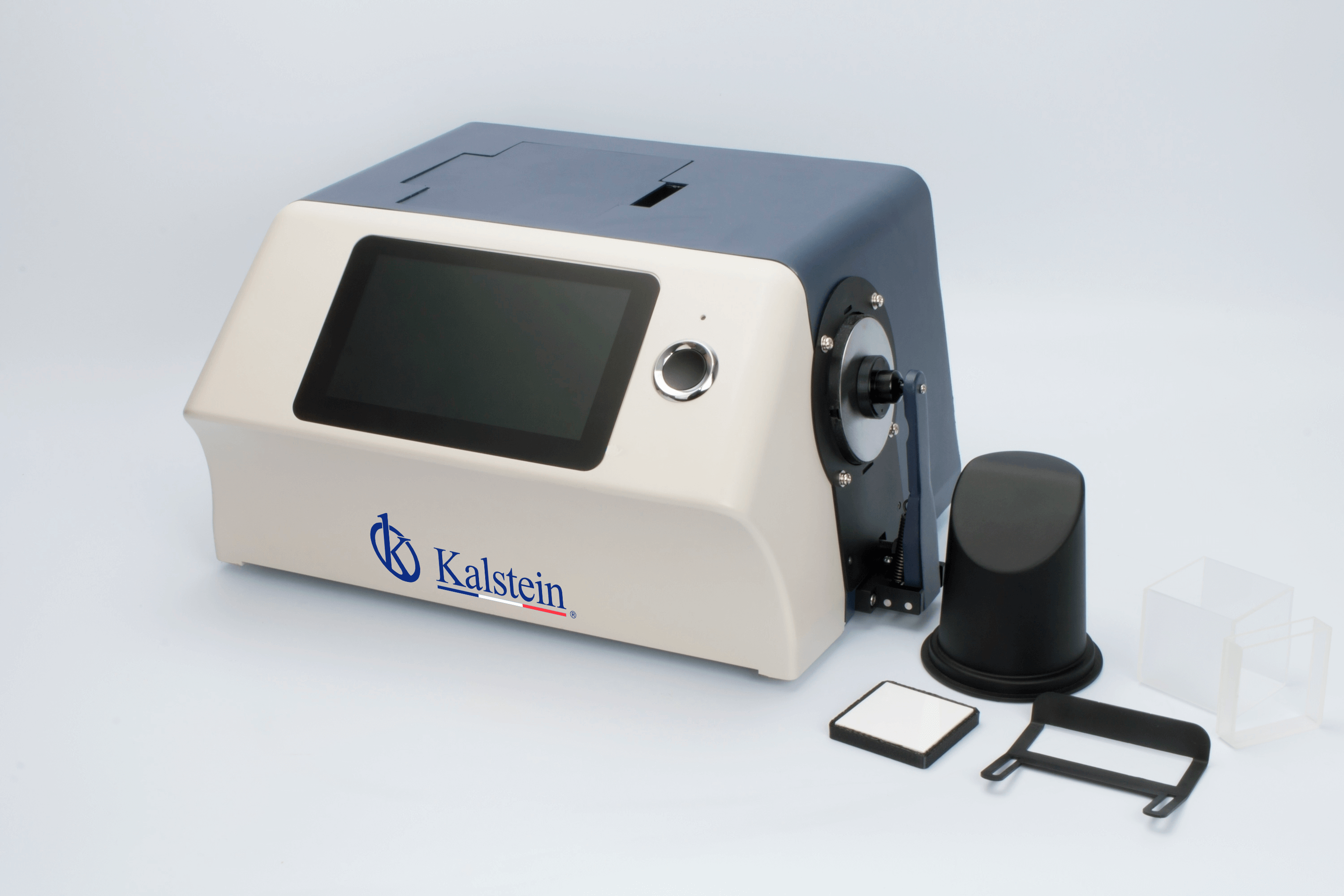
In 2026, benchtop spectrophotometers are indispensable tools in laboratories across various sectors, including pharmaceuticals, food and beverage, textiles, and environmental testing. These devices are primarily used for color measurement, absorption, and transmittance analysis of samples. The ability to provide precise color evaluations makes them essential for quality control and research and development processes. Spectrophotometers are also employed to assess the optical properties of materials, aiding in material characterization and product formulation.
History and evolution of the technology
The technology behind spectrophotometry has evolved significantly since its inception in the early 20th century. Initially, spectrophotometers were large, complex instruments requiring manual operation. However, advancements in electronics and software have led to the development of compact and user-friendly benchtop models. In recent years, the integration of touchscreen interfaces, improved optical components, and advanced data processing capabilities has transformed the user experience, making spectrophotometry more accessible for routine laboratory tasks.
How to use it step by step
Using a benchtop spectrophotometer involves several key steps for accurate and reliable results:
- Preparation: Ensure that the device is properly calibrated according to the manufacturer's instructions. Clean the sample compartment to avoid contamination.
- Sample Selection: Choose the appropriate type of cuvette or sample holder for your sample. Ensure that it is clean and free from scratches.
- Set Parameters: Input the desired wavelength range and measurement mode (reflectance or transmittance) using the touchscreen interface.
- Baseline Measurement: Perform a baseline measurement with a blank sample to calibrate the spectrophotometer. This helps to account for any background noise in the readings.
- Sample Measurement: Insert the sample into the device and initiate the measurement. Record the absorbance, reflectance, or transmittance data displayed on the screen.
- Data Analysis: Analyze the data using the integrated software or export it for further analysis. Compare results with standards or reference materials as needed.
Best techniques and protocols
For optimal performance of benchtop spectrophotometers, consider the following techniques and protocols:
- Regular calibration with certified standards to ensure accuracy.
- Consistent sample preparation methods to minimize variability.
- Utilization of appropriate cuvettes, ensuring they are compatible with the wavelength range used.
- Proper maintenance of the device, including cleaning and software updates.
- Documentation of all measurements for traceability and quality control.
Practical applications by laboratory type
Benchtop spectrophotometers find practical applications in various laboratory settings:
- Pharmaceuticals: Used for drug formulation and stability testing to ensure product quality.
- Food and Beverage: Employed in color analysis for quality control, particularly in products like juices and sauces.
- Textiles: Utilized for color matching and ensuring consistency in textile production.
- Environmental Testing: Apply spectrophotometers to analyze water quality by measuring pollutant levels.
Regulations, standards and certifications
Benchtop spectrophotometers are subject to various regulations and standards, including:
- ISO 9001: Quality management systems to ensure consistent product quality.
- ASTM E1164: Standard guide for the measurement of color in materials.
- CIE Standards: International standards for color measurement and evaluation.
Comparison with alternative technologies
While benchtop spectrophotometers are widely used, alternatives exist, such as:
- Colorimeters: These devices are simpler and cheaper, suitable for applications that do not require extensive analysis.
- Portable Spectrophotometers: More convenient for field testing but may lack the precision of benchtop models.
Comparison of available models
| Model | Best for | Key specs | Recommended use case |
|---|---|---|---|
| YR05474 | Color analysis in R&D environments | Price: $6430.00 | Ideal for laboratories requiring high precision in color measurement. |
| YR05475 | Laboratory color analysis | Price: $4695.00 | Best for routine color analysis in quality control. |
| YR05476 | Laboratory color measurement | Price: $6430.00 | Suitable for advanced color studies and material characterization. |
| YR05477 | Reflectance and transmittance analysis | Price: $4695.00 | Excellent for measuring color in transparent and translucent samples. |
| YR05478 | Color difference measurement | Price: $4445.00 | Recommended for industries needing precise color control. |
| YR05482 | Non-contact measurements | Price: $4950.00 | Ideal for liquid samples and sensitive materials. |
Common mistakes and how to avoid them
Laboratory professionals often make mistakes when using spectrophotometers. Common pitfalls include:
- Inadequate calibration before measurements, which can lead to inaccurate results.
- Using dirty cuvettes, which can introduce errors.
- Failing to document measurements, making it hard to track quality control.
- Neglecting regular maintenance of the device, affecting its longevity and performance.
Maintenance, calibration and good practices 2026
For optimal performance of benchtop spectrophotometers in 2026, follow these maintenance and calibration practices:
- Calibrate the device regularly with certified standards.
- Clean all optical components routinely to avoid contamination.
- Keep software updated to leverage new features and improvements.
- Train laboratory personnel on best practices for operating the device.
Cost-benefit analysis 2026
Investing in a benchtop spectrophotometer can yield significant benefits for laboratories:
- High precision in color measurement leads to improved product quality.
- Reduced waste and rework from consistent quality control.
- Time savings through automated measurement processes and data analysis.
Frequently asked questions
What should I consider when choosing a benchtop spectrophotometer?
Consider factors such as the specific applications you require, the wavelength range you need, and whether you need features like non-contact measurement or advanced data analysis capabilities.
How do I ensure accurate measurements with my spectrophotometer?
Ensure accurate measurements by properly calibrating your device, using clean and compatible cuvettes, and conducting baseline measurements before analyzing your samples.
What regular maintenance does a benchtop spectrophotometer require?
Regular maintenance includes cleaning the optical components, calibrating the device, updating software, and ensuring that the sample compartment is free from contamination.
Can I use a spectrophotometer for both liquids and solids?
Yes, many benchtop spectrophotometers are designed to measure both liquids and solids, but it is essential to use the appropriate sample holders and settings for each type.
What is the importance of documentation when using a spectrophotometer?
Documentation is crucial for maintaining traceability, ensuring compliance with quality standards, and analyzing trends over time in your measurement data.
Is training necessary for effective use of a benchtop spectrophotometer?
Yes, proper training ensures that laboratory personnel understand the device's features, operation procedures, and maintenance requirements, leading to more reliable results.
How can I request a quote for a benchtop spectrophotometer?
You can easily request a quote through our platform, where our team will assist you in selecting the right model for your specific needs.
If you are looking for a fusion of innovation and quality, you have come to the right place. At Kalstein, we offer you the luxury of exploring our exclusive catalog of laboratory equipment. We manufacture every device to the highest standards of excellence. Our intuitive and seamless online purchasing channels are designed for your convenience, securing the most competitive prices. Hesitate no longer — we bring science to life, it is time to become part of our community.