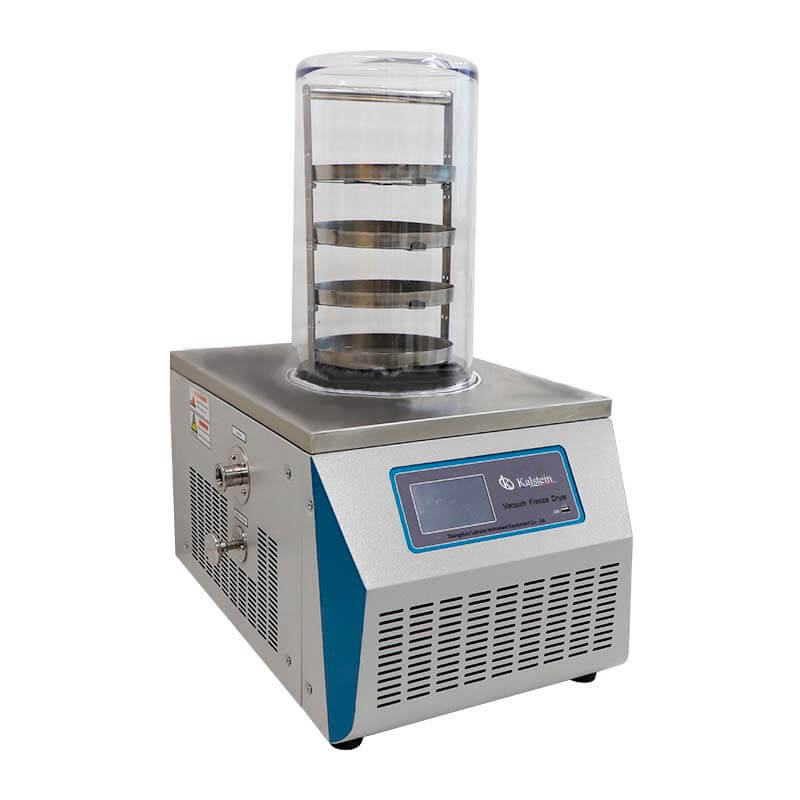
Benchtop Laboratory Freeze Dryer: Common Mistakes and How to Avoid Them in Daily Operation 2026
In the fast-paced environment of a laboratory, precision and efficiency are paramount. Benchtop laboratory freeze dryers are invaluable tools for preserving biological samples, pharmaceuticals, and food products through lyophilization. However, improper usage can lead to common mistakes that compromise the quality of results. This article will provide laboratory professionals with comprehensive guidance on the operational use of benchtop freeze dryers, highlighting the main mistakes and how to avoid them, ensuring you achieve optimal outcomes in 2026.
What is it used for in 2026
Benchtop laboratory freeze dryers are used extensively for the preservation of sensitive materials. By removing moisture from samples while keeping their structure intact, these devices are ideal for:
- Pharmaceuticals: Enhancing shelf life and stability of drugs.
- Biological Research: Preparing biological specimens for long-term storage.
- Food Processing: Preserving the nutritional content and flavor of food products.
- Cosmetics: Maintaining the integrity of sensitive formulations.
The applications span across various fields, making them a staple in modern laboratories.
History and evolution of the technology
The technology of freeze drying has evolved significantly since its inception. Originating in the early 20th century, the process was initially developed for the preservation of blood plasma during World War II. Over the decades, advancements in vacuum technology and refrigeration have led to the development of compact, efficient benchtop models suitable for laboratory settings. Today, freeze dryers incorporate advanced features such as touchscreen interfaces, multiple drying stages, and enhanced energy efficiency, thereby revolutionizing the preservation method.
How to use it step by step
Using a benchtop laboratory freeze dryer involves several essential steps:
- Preparation: Ensure all necessary equipment and materials are available. Clean and sanitize the freeze dryer and the sample containers.
- Sample Loading: Place the samples on the freeze dryer trays, ensuring adequate space between samples for airflow.
- Set Parameters: Input the desired temperature and vacuum level on the control panel. Different materials require specific settings.
- Start the Cycle: Initiate the freeze-drying process. Monitor the cycle periodically to check for any issues.
- Post-Drying Storage: Once the cycle is complete, remove the samples promptly and store them under appropriate conditions.
Following these steps ensures efficient operation and preservation quality.
Best techniques and protocols
To achieve the best results with freeze dryers, adhere to the following techniques and protocols:
- Optimize Freezing: Pre-freezing samples before placing them in the freeze dryer can significantly enhance drying efficiency.
- Control Vacuum Levels: Maintain appropriate vacuum levels throughout the drying cycle; too high or too low can impact sample quality.
- Monitor Temperature: Use external temperature monitoring devices to ensure accurate readings and prevent overheating.
- Regular Calibration: Schedule regular calibration of the freeze dryer to maintain accuracy and performance.
Implementing these techniques will greatly improve the reliability of your freeze-drying process.
Practical applications by laboratory type
Different laboratory settings utilize freeze dryers for various applications:
- Pharmaceutical Laboratories: For lyophilizing vaccines and drug formulations to enhance stability and shelf life.
- Biological Research Labs: To prepare biological samples such as proteins and enzymes for long-term storage.
- Food Science Labs: For developing freeze-dried foods and conducting sensory evaluations.
- Cosmetic Research: To stabilize cosmetic formulations without compromising their properties.
Understanding these applications helps in aligning the freeze drying process with your specific laboratory needs.
Regulations, standards and certifications
In 2026, compliance with regulations and standards is critical in laboratory practices. The following are important for laboratories using freeze dryers:
- FDA Regulations: Adhere to regulations regarding the use of freeze-dried materials in pharmaceuticals and food products.
- ISO Standards: Follow ISO 13485 for quality management in medical device manufacturing, ensuring product safety and efficacy.
- Good Manufacturing Practices (GMP): Implement GMP guidelines to ensure consistent quality in the production of lyophilized products.
Staying updated with these standards ensures compliance and enhances your laboratory’s credibility.
Comparison with alternative technologies
When considering preservation methods, it is crucial to compare freeze drying with alternative technologies:
- Spray Drying: Suitable for bulk materials; however, it may result in the loss of volatile components and might not preserve sensitive structures.
- Vacuum Drying: Less effective in moisture removal compared to freeze drying, which can impact sample integrity.
- Conventional Oven Drying: Often leads to degradation of heat-sensitive materials and is not recommended for biological samples.
Choosing the right technology depends on the specific material properties and intended applications.
Comparison of available models
| Model | Best for | Key specs | Recommended use case |
|---|---|---|---|
| YR05186 | Pharmaceuticals and biological samples | Condensing capacity: 3-4 L/24h, Temperature: -55 ℃, Vacuum: <10 Pa | Large batch processing with multiple trays. |
| YR05187 | Laboratory experiments | Condensing capacity: 3-4 L/24h, Temperature: -55 ℃, Vacuum: <10 Pa | Ideal for research applications with moderate sample volume. |
| YR05188 | Biological research and pharmaceuticals | Condensing capacity: 3-4 L/24h, Temperature: -55 ℃, Vacuum: <10 Pa | Suitable for high-volume production of freeze-dried materials. |
| YR05189 | Research applications | Condensing capacity: 3-4 L/24h, Temperature: -55 ℃, Vacuum: <10 Pa | Perfect for experimental setups with varied sample sizes. |
| YR05189-1 | Customized laboratory needs | Condensing capacity: 3-4 kg/24h, Temperature: -55 ℃, Vacuum: <10 Pa | Best for special requirements and large-scale operations. |
Common mistakes and how to avoid them
Laboratories often encounter common mistakes when operating freeze dryers. Here are some pitfalls and strategies to avoid them:
- Overloading the Dryer: This can lead to uneven drying. Always adhere to the recommended tray capacity.
- Improper Temperature Settings: Failing to adjust temperature settings according to material specifications can compromise sample integrity. Regularly calibrate your equipment.
- Lack of Monitoring: Not monitoring the drying process can lead to unexpected results. Employ external monitoring tools for accuracy.
- Ignoring Maintenance: Neglecting regular maintenance can reduce the efficiency of the freeze dryer. Establish a routine maintenance schedule to prevent issues.
By being aware of these mistakes and implementing corrective strategies, you can enhance operational efficiency.
Maintenance, calibration and good practices 2026
To ensure optimal performance of your freeze dryer in 2026, follow these maintenance and calibration practices:
- Schedule Routine Checks: Regularly inspect seals, valves, and vacuum integrity.
- Calibration: Periodically calibrate temperature and pressure gauges to maintain accuracy.
- Cleaning: Clean the freeze dryer after each use to prevent contamination and buildup of residues.
- Training: Ensure all personnel are trained in proper operation and safety protocols.
Maintaining these practices will prolong the life of your equipment and ensure reliable results.
Cost-benefit analysis 2026
When investing in a benchtop laboratory freeze dryer, consider the following cost-benefit analysis:
- Initial Investment: The initial cost of acquiring a freeze dryer ranges from $1,780 to $2,596 depending on the model selected.
- Long-term Savings: Freeze drying preserves the quality of materials, leading to cost savings on waste and reprocessing.
- Enhanced Efficiency: Streamlining the drying process can significantly reduce time and increase throughput.
- Quality Assurance: Improving preservation methods safeguards product integrity, leading to higher customer satisfaction.
In conclusion, the benefits of investing in a freeze dryer far outweigh the initial costs, making it a wise choice for laboratory operations.
Frequently asked questions
What should I consider before purchasing a freeze dryer?
Before purchasing, consider the volume of samples you intend to process, the specific material requirements, budget constraints, and the available space in your laboratory.
How do I know which model is best for my needs?
Evaluate your specific applications, sample types, and desired throughput to determine which model best suits your laboratory's needs.
What are the main operational challenges with freeze dryers?
Main challenges include maintaining proper temperature and vacuum levels, as well as ensuring regular maintenance to prevent breakdowns.
Can freeze dryers be used for all types of materials?
While freeze dryers are versatile, they may not be suitable for all materials. Always consult the manufacturer's guidelines for specific material compatibility.
How frequently should I perform maintenance on my freeze dryer?
Regular maintenance should be performed after every use, with more detailed checks weekly or monthly, depending on usage frequency.
What impact does the freeze drying process have on sample quality?
When done correctly, freeze drying preserves the structural integrity and chemical properties of samples, leading to high-quality results.
How can I ensure the best results from my freeze dryer?
To ensure the best results, follow recommended protocols, regularly calibrate your equipment, and monitor the drying process closely.
If you are looking for a fusion of innovation and quality, you have come to the right place. At Kalstein, we offer you the luxury of exploring our exclusive catalog of laboratory equipment. We manufacture every device to the highest standards of excellence. Our intuitive and seamless online purchasing channels are designed for your convenience, securing the most competitive prices. Hesitate no longer — we bring science to life, it is time to become part of our community.